
Long after the royal courts fell silent, their palaces remained. Inside, every courtyard, corridor and carved detail has a story to tell.
India’s royal past can still be found in the grand residences scattered across the country. Some overlook serene lakes, some sit at the heart of historic cities, while others reveal a fascinating mix of Indian craftsmanship and European influence. Together, they offer a glimpse into how India’s rulers lived, celebrated and shaped the places around them.
What makes these palaces worth visiting isn’t simply their scale. It’s the detail. Painted walls, intricate mosaics, elaborate ceilings, historic furniture and carefully preserved collections can tell you as much about royal life as the grand architecture itself.
From the lakeside City Palace in Udaipur to the magnificent halls of Mysuru Palace, these are seven places where India’s royal history still feels remarkably close.
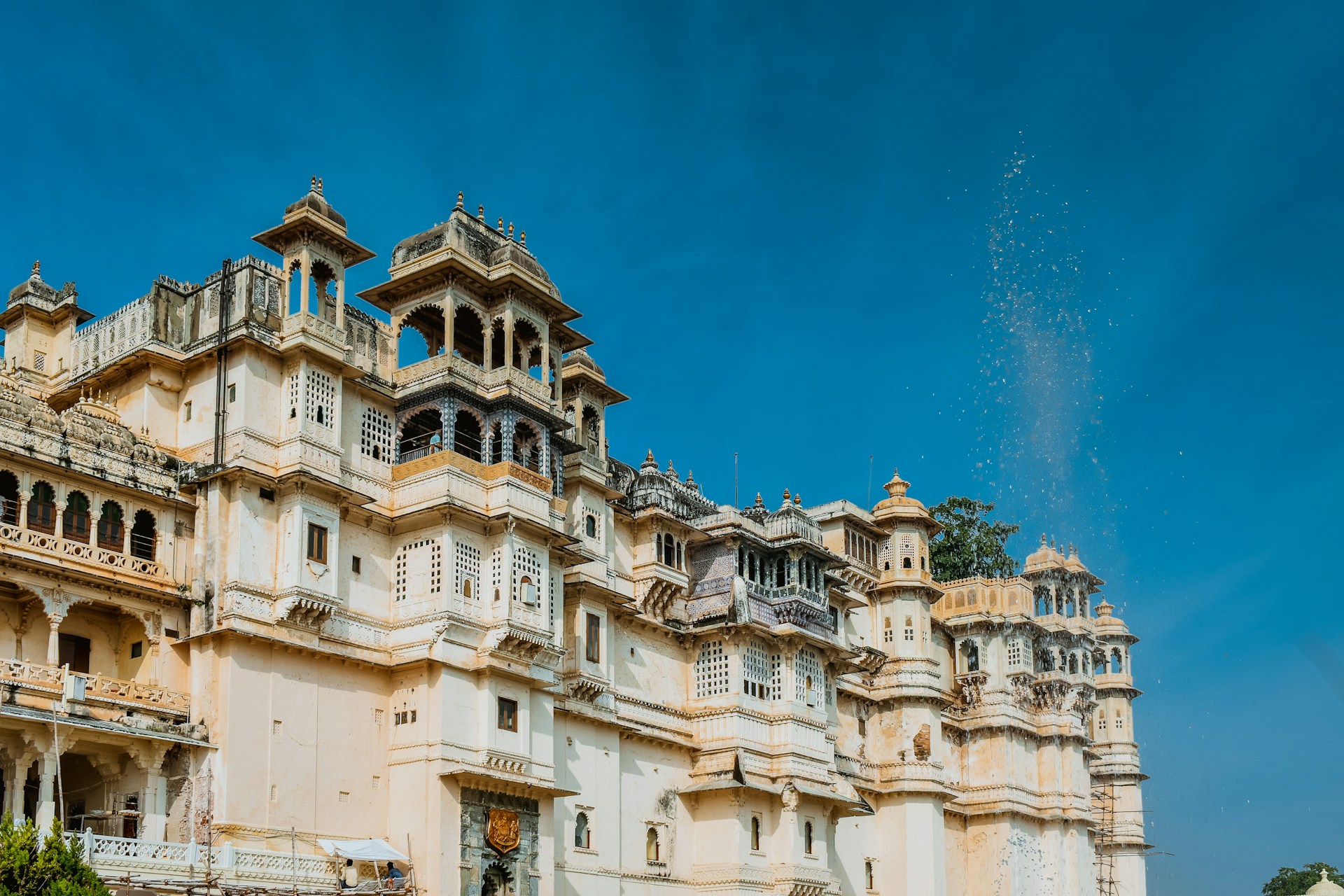
City Palace, Udaipur
A Royal Story
The story of Udaipur’s City Palace began in 1559, when Maharana Udai Singh II founded the city and began developing his royal residence. His successors continued to expand the complex over generations, creating the collection of courtyards, rooms and buildings visitors see today.
Because the palace developed over such a long period, it doesn’t feel like a building frozen in one particular era. Different details and architectural influences reveal the changes that took place within the Mewar court.
What Makes It Special
Its setting is part of what makes the palace unforgettable. Rising above Lake Pichola, it looks across the water towards the Aravalli hills, giving visitors a view that is almost as impressive as the palace itself.
The complex combines traditional Rajput architecture with decorative influences that appeared throughout its long history. The result is a palace that feels grand without losing the character of its surroundings.
What to Notice
Take your time in Mor Chowk, or Peacock Courtyard, where colourful glass mosaics form detailed peacock designs. Inside the palace, look for mirrored decoration, painted walls, carved stonework and old royal furnishings.
And don’t forget to look outside. The views across Lake Pichola help explain why the setting became such an important part of Udaipur’s identity.
Why Visit
The City Palace brings together history, architecture and landscape in one place. Walk through its courtyards, pause beside the old windows and look across the lake, and the royal history of Udaipur feels much closer than it might on a page.
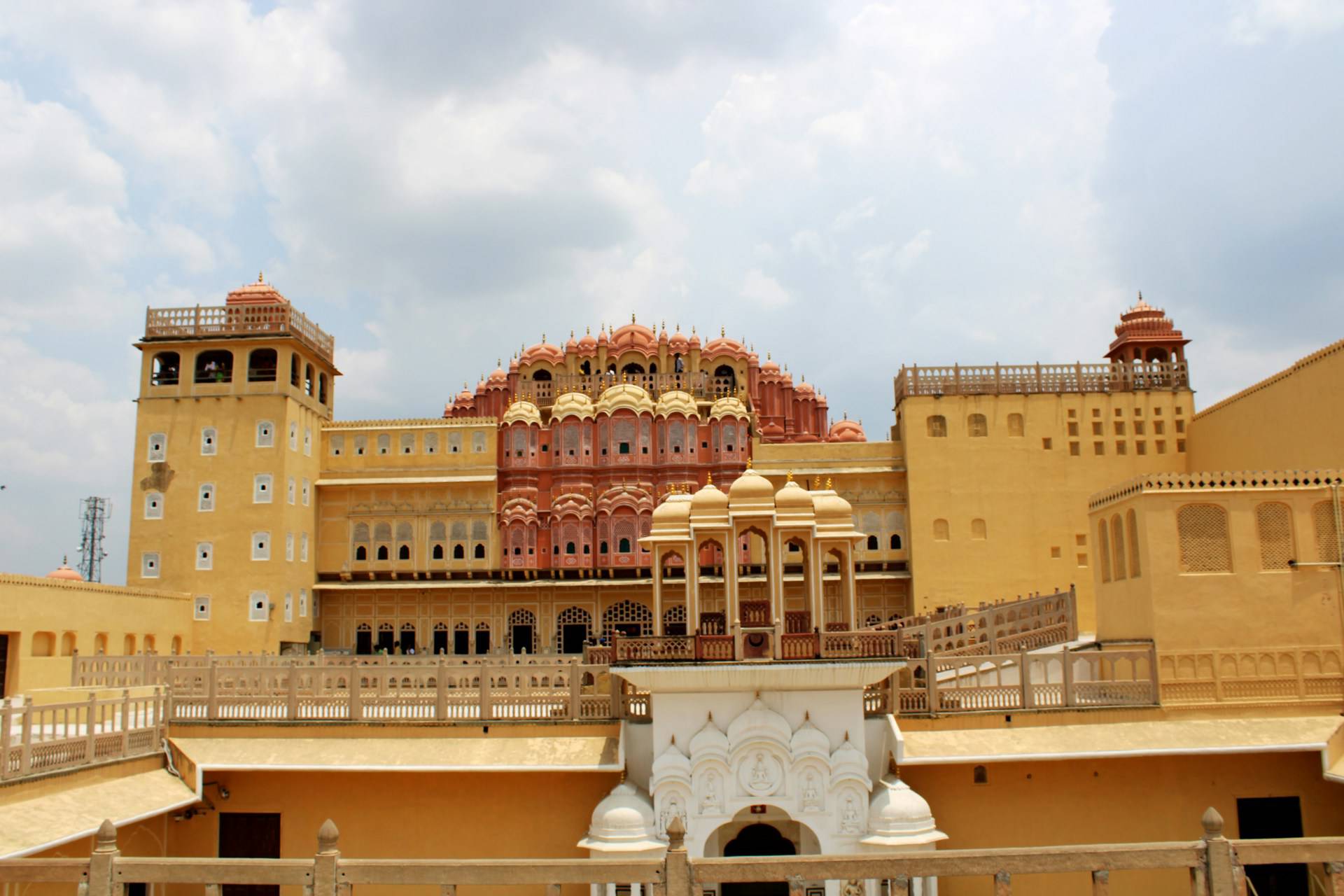
City Palace, Jaipur
A Royal Story
Jaipur’s City Palace dates back to the 18th century, when Maharaja Sawai Jai Singh II founded Jaipur and established his royal complex. Later rulers continued to develop the palace, adding new buildings and decorative details.
The palace was closely connected to the royal court and the growth of Jaipur, making it an important part of the city’s history rather than simply another historic monument.
What Makes It Special
Rajput and Mughal architectural traditions can be seen throughout the complex, while later additions reflect changing tastes. Courtyards, gateways and richly decorated buildings create a sense of discovery as you move from one part of the palace to another.
Its location also gives it a special character. The palace sits within Jaipur’s historic centre, so the transition between royal residence and old city is remarkably direct.
What to Notice
Look closely at the palace gateways and courtyards, particularly the Peacock Gate with its colourful decorative work.
Inside the museums, you’ll find royal clothing, manuscripts, weapons, artwork and other historic objects. These collections offer something that architecture alone cannot: a more personal glimpse into the lives of the people who once occupied these rooms.
Why Visit
The City Palace gives visitors a chance to see Jaipur through its royal history. Its architecture and collections reveal a side of the city that is easy to miss when you’re focused only on its famous streets and markets.
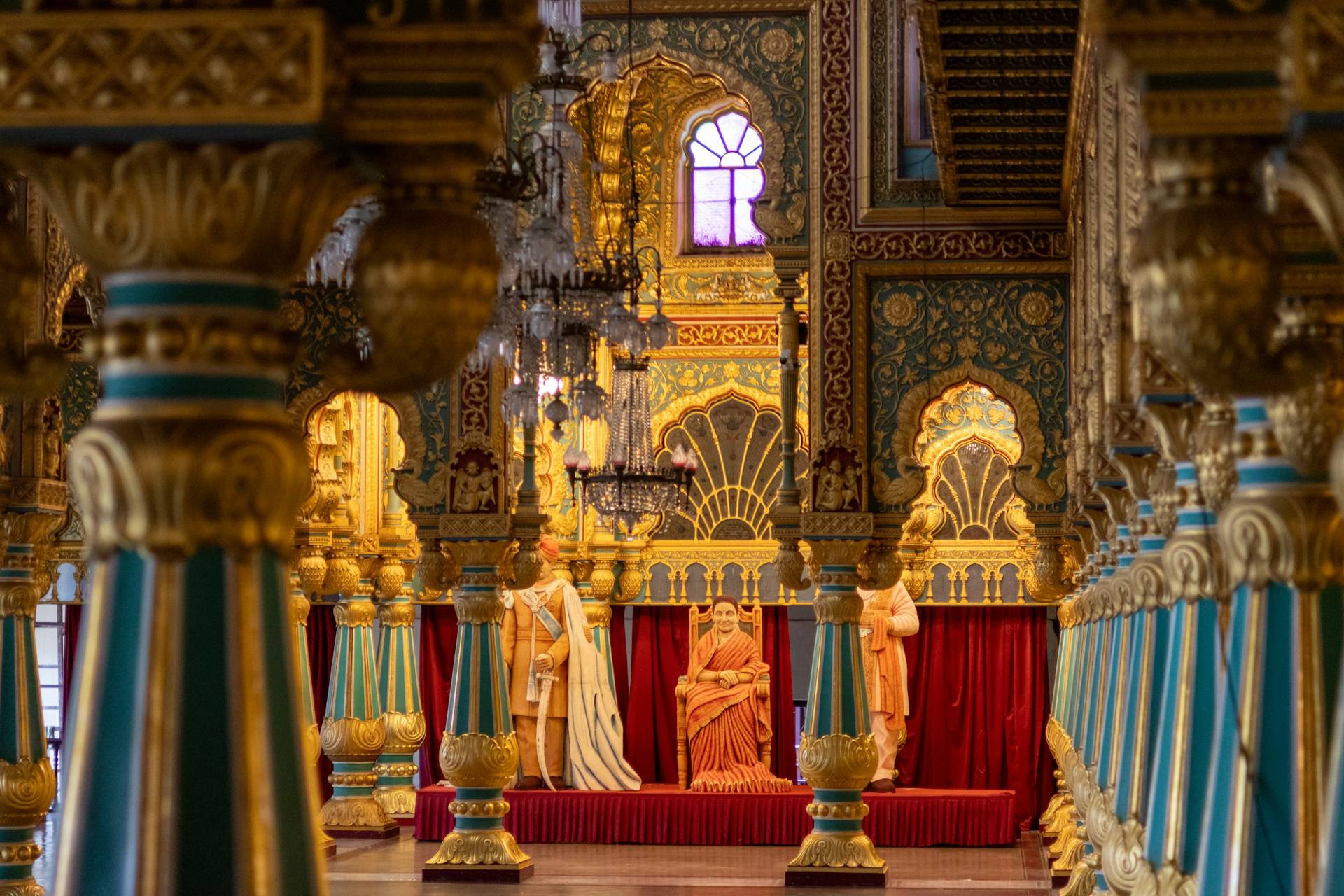
Mysuru Palace, Karnataka
A Royal Story
Mysuru Palace, also known as Amba Vilas Palace, is closely associated with the Wadiyar dynasty. After the previous palace was destroyed by fire in 1897, the present building was designed by British architect Henry Irwin and completed in 1912.
Its Indo-Saracenic design reflects the period’s mix of Indian and European architectural influences.
What Makes It Special
The palace is particularly striking because of the contrast between its imposing exterior and richly decorated interiors. Domes, arches and towers give the building its distinctive silhouette, while the rooms inside are filled with colour and intricate detail.
It also remains connected with Mysuru’s Dasara celebrations, giving the palace a living role in the city’s cultural life.
What to Notice
Inside, look up in the Durbar Hall, where decorated pillars and an elaborate ceiling create a dramatic ceremonial space. The Kalyana Mantapa, or marriage pavilion, is another highlight, especially for its stained-glass ceiling.
Painted surfaces, carved doors, furniture and royal objects are worth a closer look too. These smaller details help you understand the amount of craftsmanship that went into the palace.
Why Visit
Mysuru Palace has an unmistakable presence. When it is illuminated for special occasions, the building takes on a completely different character, making an evening visit particularly memorable.
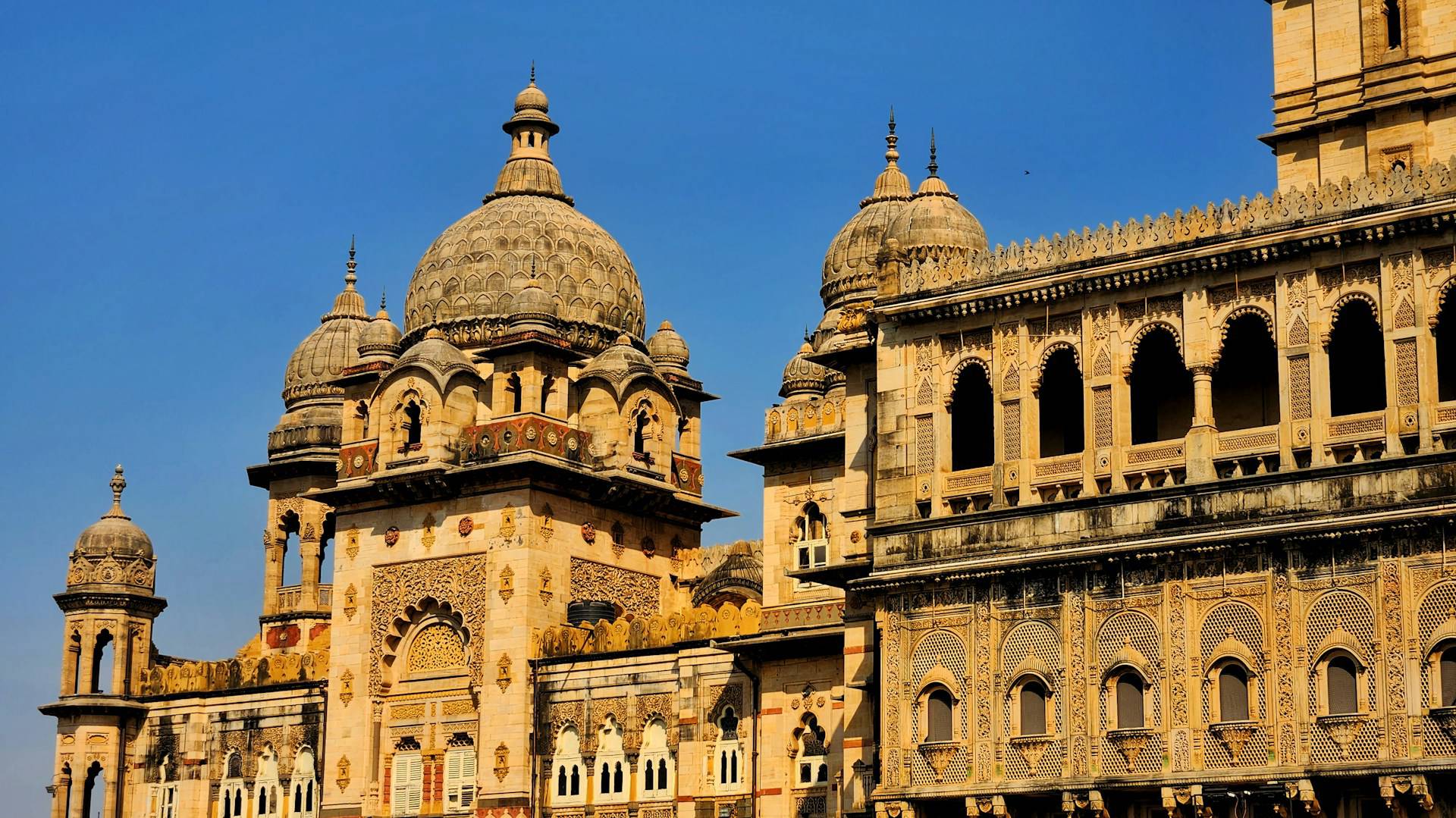
Laxmi Vilas Palace, Vadodara
A Royal Story
Maharaja Sayajirao Gaekwad III commissioned Laxmi Vilas Palace, with construction beginning in 1878 and finishing in 1890. The palace reflects an interesting period in India’s history, when princely courts were incorporating European ideas into traditional Indian architecture.
What Makes It Special
The scale of the estate immediately sets it apart. Its Indo-Saracenic architecture combines Indian traditions with European influences, while the interiors become increasingly elaborate.
The palace’s grand rooms also reveal the international influences that had begun to shape the tastes of India’s royal families.
What to Notice
The Durbar Hall deserves plenty of attention. Belgian stained glass and Venetian mosaic work add colour to the room, while artwork and historic objects throughout the estate offer a closer look at the interests of the Gaekwad court.
The Maharaja Fateh Singh Museum is also home to Indian and European paintings, including works by Raja Ravi Varma.
Why Visit
Laxmi Vilas Palace captures a fascinating moment when India’s traditional royal culture was meeting new architectural influences. The result is a residence that feels both distinctly Indian and surprisingly cosmopolitan.
Jai Vilas Palace, Gwalior
A Royal Story
Jai Vilas Palace was built in 1874 for Maharaja Jayajirao Scindia. Unlike many older Indian palaces, it was designed as a European-style residence, reflecting the changing tastes of the Scindia court during the 19th century.
What Makes It Special
The palace’s architecture immediately catches the eye. Its three storeys incorporate Tuscan, Italian Doric and Corinthian influences, creating an appearance that is very different from the traditional Rajput palaces of Rajasthan.
Inside, that European influence continues through the furniture, decoration and formal rooms.
What to Notice
The Darbar Hall is the room most visitors remember, particularly for its huge chandeliers and richly decorated interiors.
The Jivaji Rao Scindia Museum is equally worth exploring. Its preserved rooms contain furniture, paintings, textiles and other objects connected with the Scindia family.
Why Visit
Jai Vilas Palace shows another side of India’s royal history. It demonstrates how European architecture became part of princely life while still being adapted to an Indian royal setting.
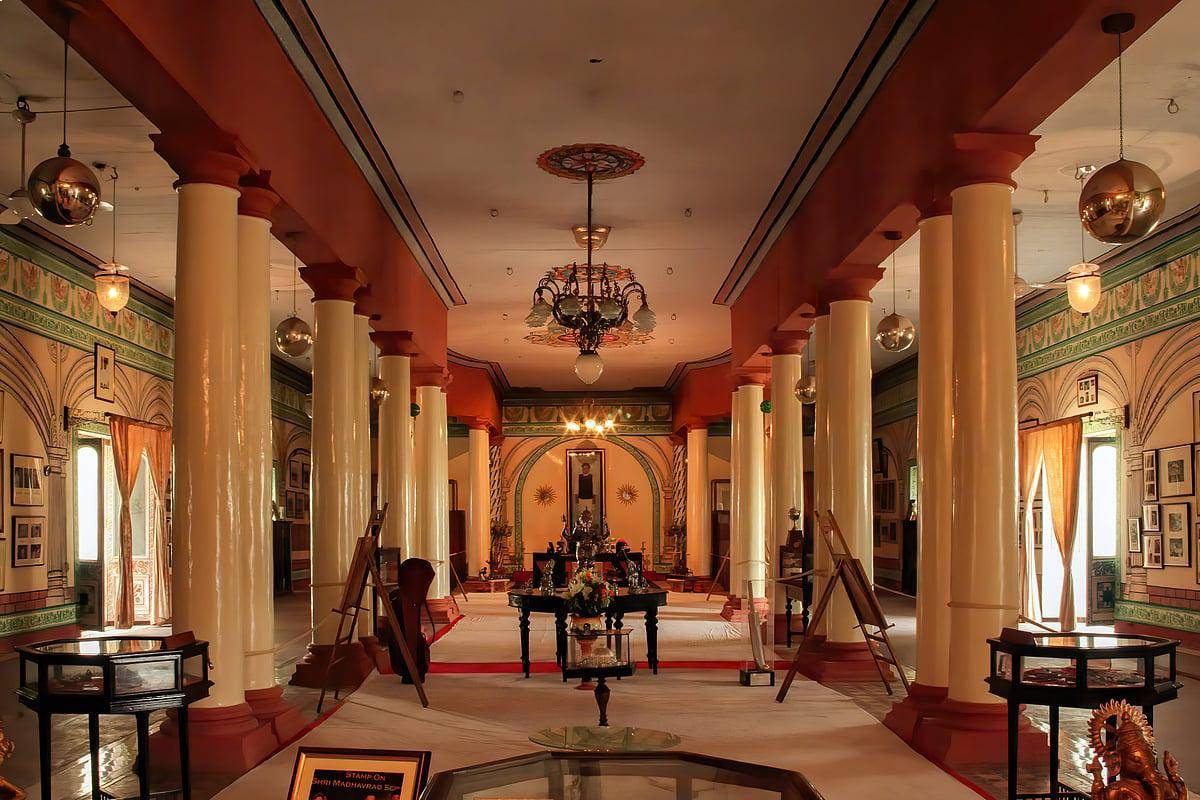
Falaknuma Palace, Hyderabad
A Royal Story
Perched on a hill above Hyderabad, Falaknuma Palace was originally built for the Paigah family before becoming associated with the Nizams of Hyderabad. Its name is commonly translated as “like the sky”.
Built in the late 19th century, the palace reflects the international influences that shaped Hyderabad’s royal court.
What Makes It Special
Italian marble, stained glass, ornate furniture and Venetian chandeliers give the interiors a distinctive character. The palace also has a library, ballroom and extensive gardens.
Its elevated position adds to the experience, with views stretching across Hyderabad.
What to Notice
The grand staircase and dining hall are among the spaces that immediately command attention, but it’s worth looking beyond the obvious highlights.
Notice the marble, woodwork, glass and decorative details throughout the rooms. They reveal the extraordinary level of craftsmanship that went into creating and maintaining the palace.
Why Visit
Falaknuma has been carefully restored and now operates as a heritage hotel, giving visitors an opportunity to experience a former royal residence in a very different way.
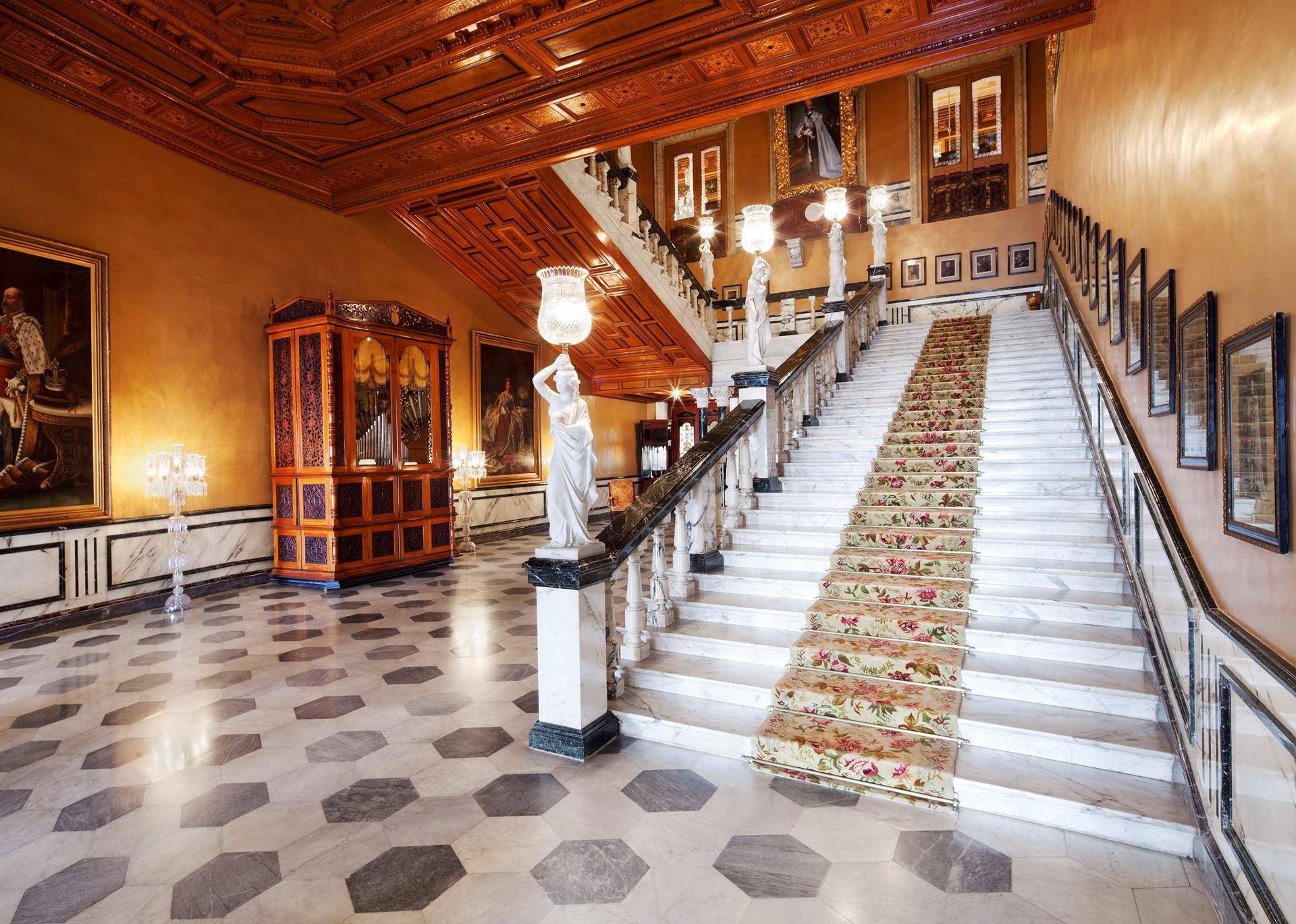
Lal Bagh Palace, Indore
A Royal Story
Lal Bagh Palace was built for the Holkar dynasty between 1886 and 1921, during the reign of Maharaja Shivaji Rao Holkar. Standing beside the River Khan, it reflects the changing architectural tastes of the Holkar court.
What Makes It Special
European influences are particularly strong here. Renaissance, Palladian and Baroque elements appear in the architecture, while Rococo and Neoclassical touches can be found inside.
The surrounding gardens also draw from European design traditions.
What to Notice
Inside, look for Belgian glass windows, chandeliers, Persian carpets and elaborate decorative details. The interiors are especially interesting because they show how European styles were incorporated into an Indian royal residence.
Why Visit
Lal Bagh Palace offers a quieter but fascinating glimpse into India’s princely past. Its mixture of Indian surroundings and European-inspired design shows just how varied royal architecture became during the late 19th and early 20th centuries.
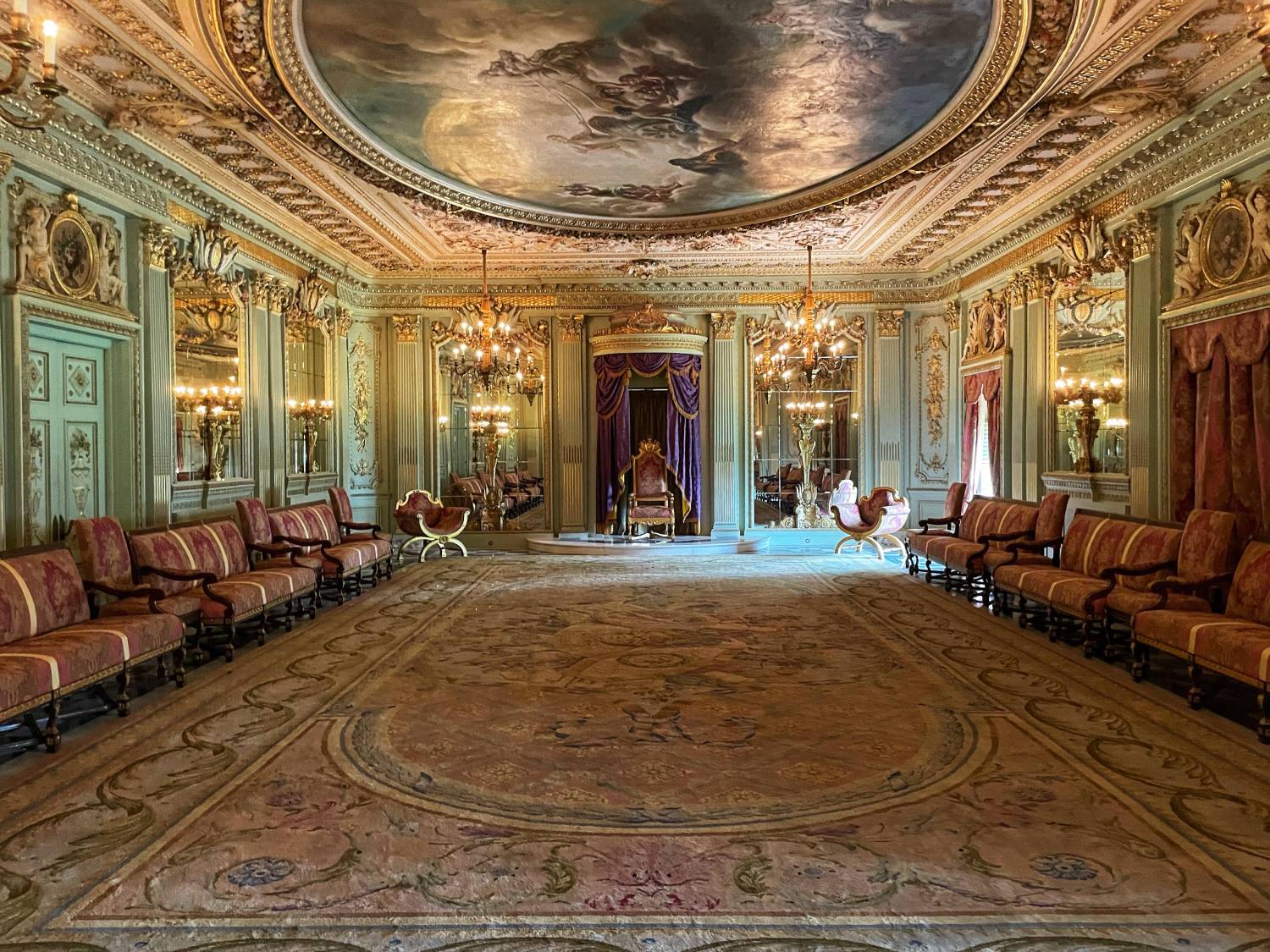
A Royal Past That Still Lives On
India’s palaces tell stories that go far beyond wealth and grandeur. They reveal changing dynasties, artistic traditions and the many influences that shaped the country’s architecture over time.
And while their royal courts may have disappeared, the buildings themselves continue to tell those stories. You can see them in the mosaics, paintings, old furniture, grand halls and quiet courtyards that have survived across generations.
Some are museums. Some have become heritage hotels. Others remain connected with former royal families.
But each offers a chance to experience a different part of India’s past, one room, courtyard and carefully preserved detail at a time.