
What if the most beautiful part of Asia isn’t found in its famous cities, but in the small villages where traditions have never faded?
Hidden among mountains, forests, and valleys are communities that still celebrate ancient customs, live in traditional homes, and welcome visitors with warm hospitality. These villages offer a rare chance to step back in time and discover the true heart of Asia.
When people think about travelling in Asia, they often imagine busy cities, famous temples, beautiful beaches, or modern skylines. While these places are worth visiting, there is another side of Asia that many travellers never get to see. Hidden in the mountains, forests, and countryside are small villages where people still follow traditions that have been passed down for hundreds of years.
These villages are special because they have not forgotten their roots. Families continue to live in traditional homes, celebrate old festivals, prepare local recipes, and make handmade crafts using skills learned from their parents and grandparents. Life here is usually slower, quieter, and closely connected to nature.
For travellers who want to experience the real culture of a country, these villages offer something truly unique. Instead of rushing from one tourist attraction to another, visitors can spend time learning about local traditions, meeting friendly people, and understanding how communities have lived for generations.
Shirakawa-go, Japan
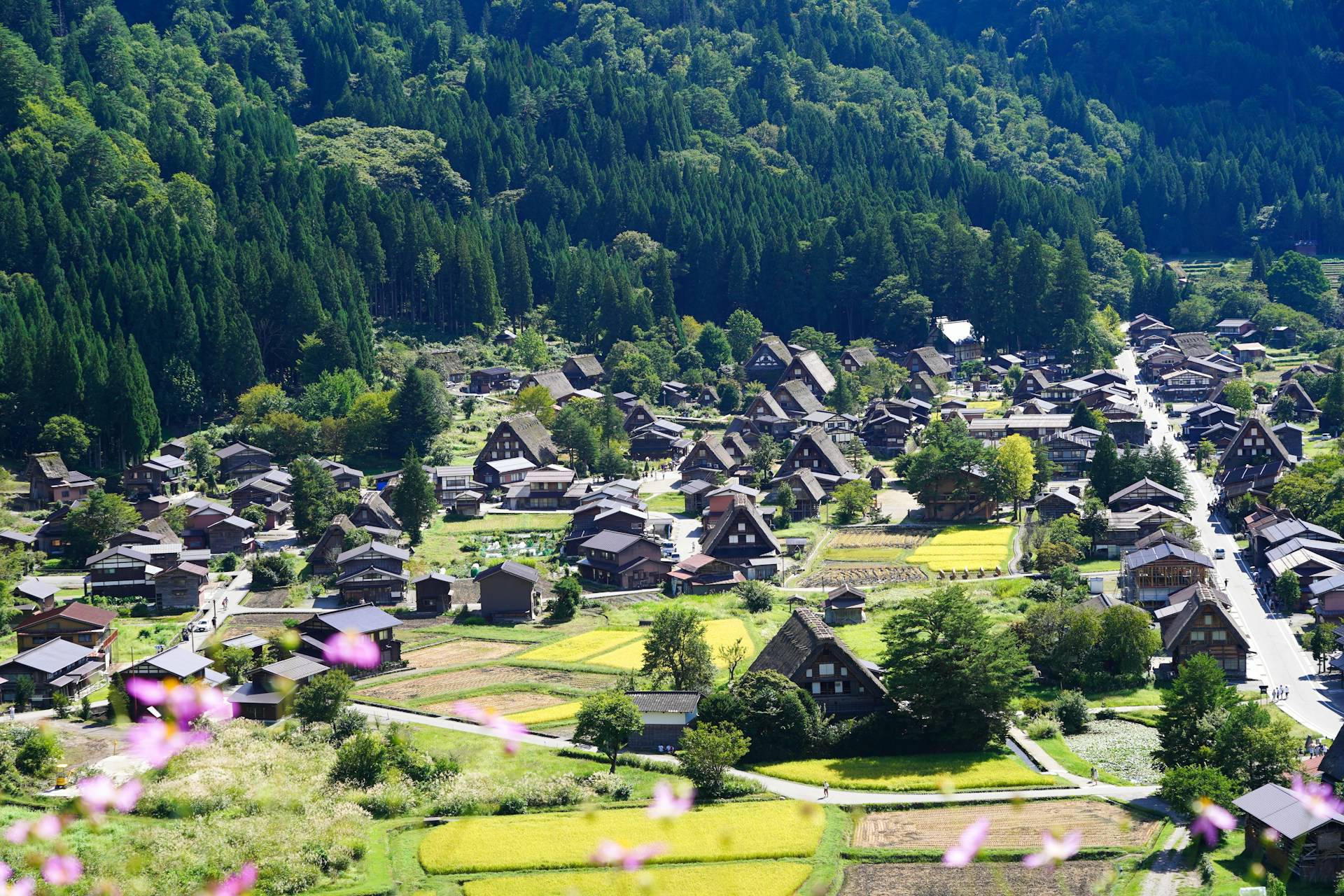
Shirakawa-go is one of Japan’s most famous traditional villages and is also recognised as a UNESCO World Heritage Site. The village is well known for its large wooden farmhouses with steep thatched roofs. These roofs are specially designed to stop heavy snow from collecting during winter, making them perfect for the area’s cold climate.
Some of these houses are over 250 years old, and many families still live in them today. Visitors can step inside some of the homes to see how people lived in the past. They can also learn about farming, local crafts, and daily life in rural Japan.
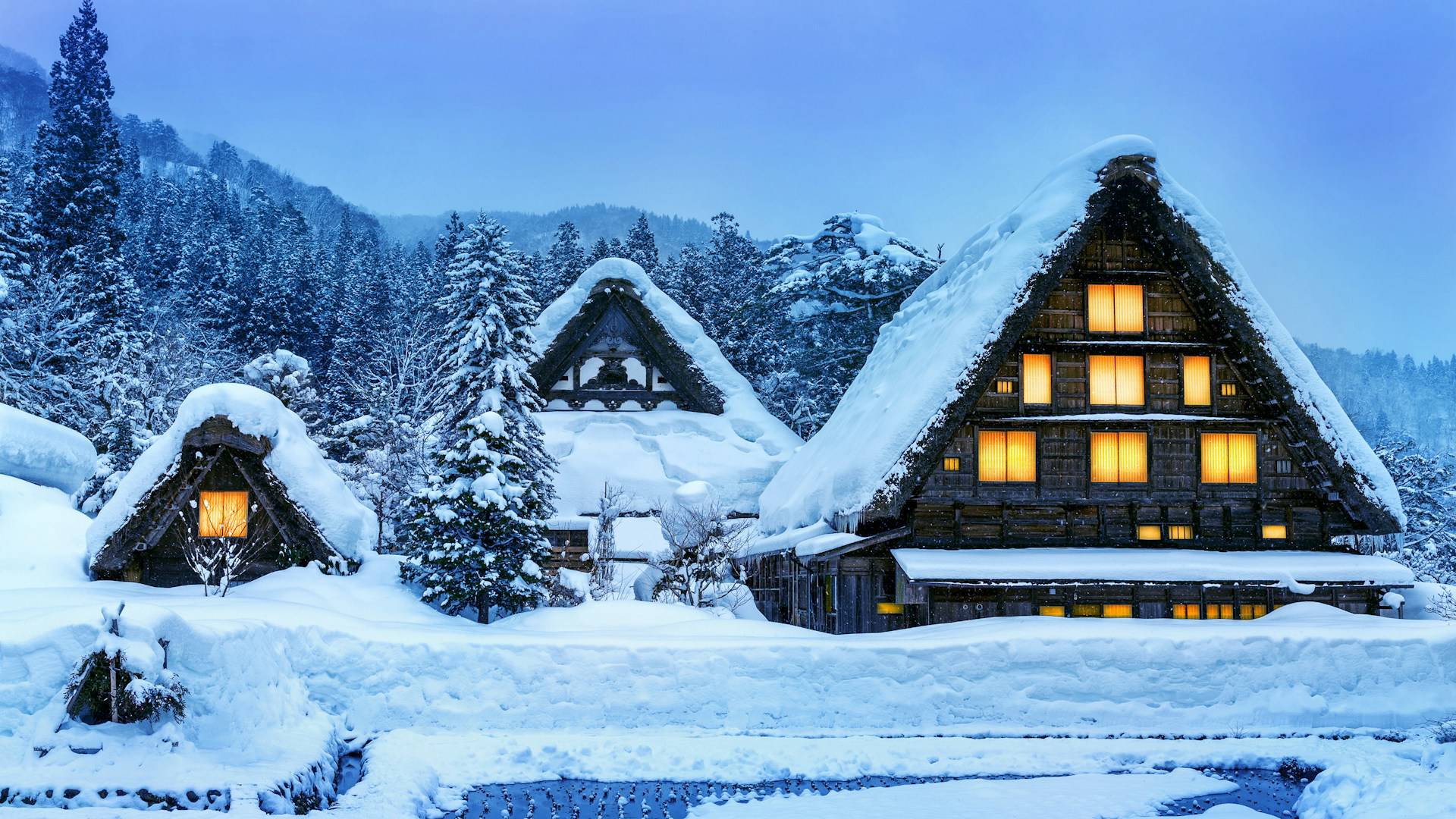
The village looks beautiful in every season. In spring, flowers bloom across the fields. Summer brings green rice paddies, autumn fills the area with colourful leaves, and winter turns the village into a snowy wonderland that looks like something from a storybook.
Penglipuran, Indonesia
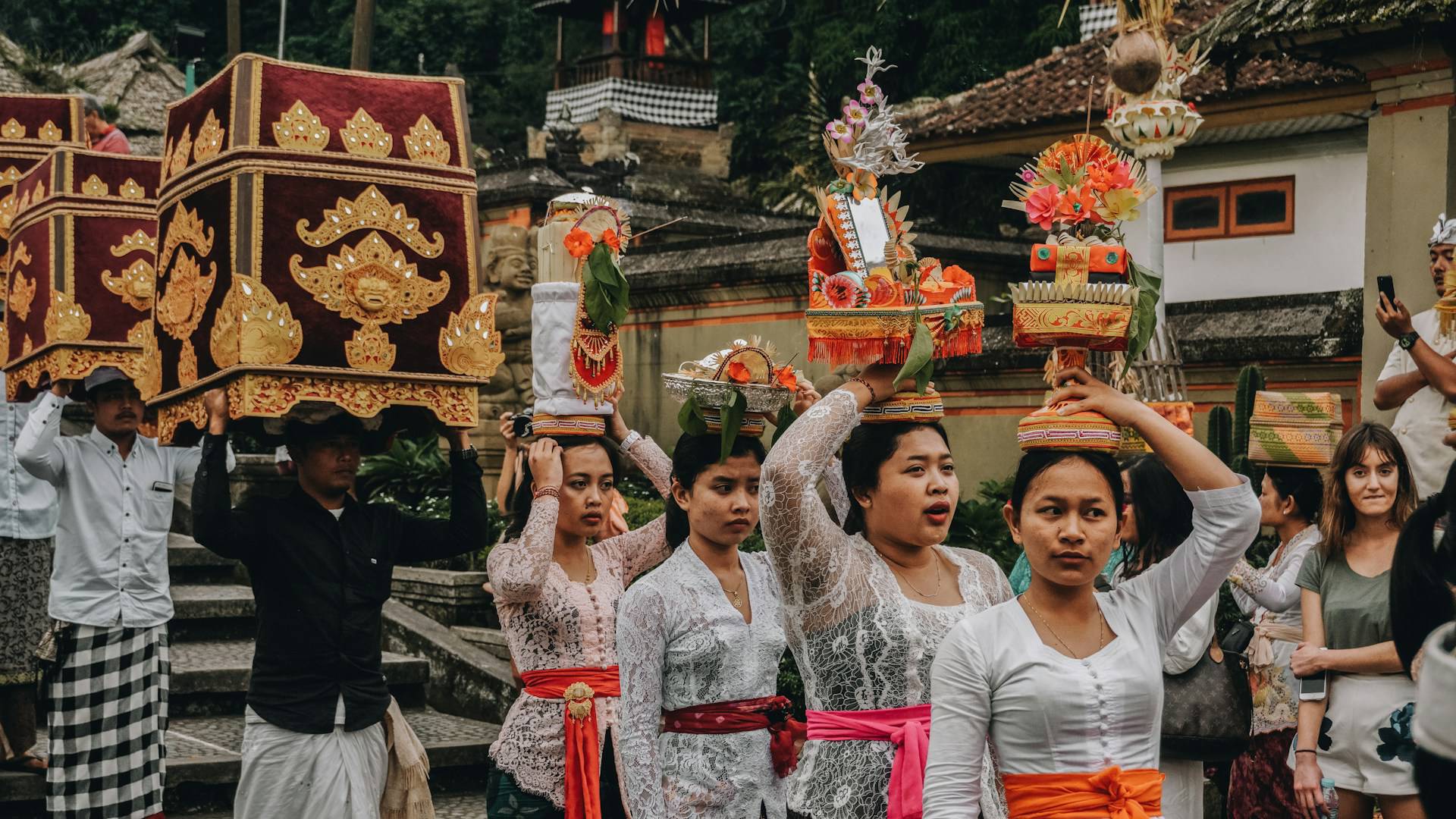
Penglipuran Village is a peaceful village in Bali that is famous for its clean streets and traditional way of life. The people here believe that keeping their village clean is a way of showing respect for nature and their community.
Every home follows the same traditional Balinese design, giving the village a neat and organised appearance. Local families continue to take part in religious ceremonies, care for ancient temples, and make traditional handicrafts.
Visitors can walk through the quiet streets, speak with local residents, taste traditional Balinese food, and learn about customs that have been followed for many generations. It is a wonderful place to experience the true culture of Bali away from the busy tourist areas.
Mae Kampong, Thailand
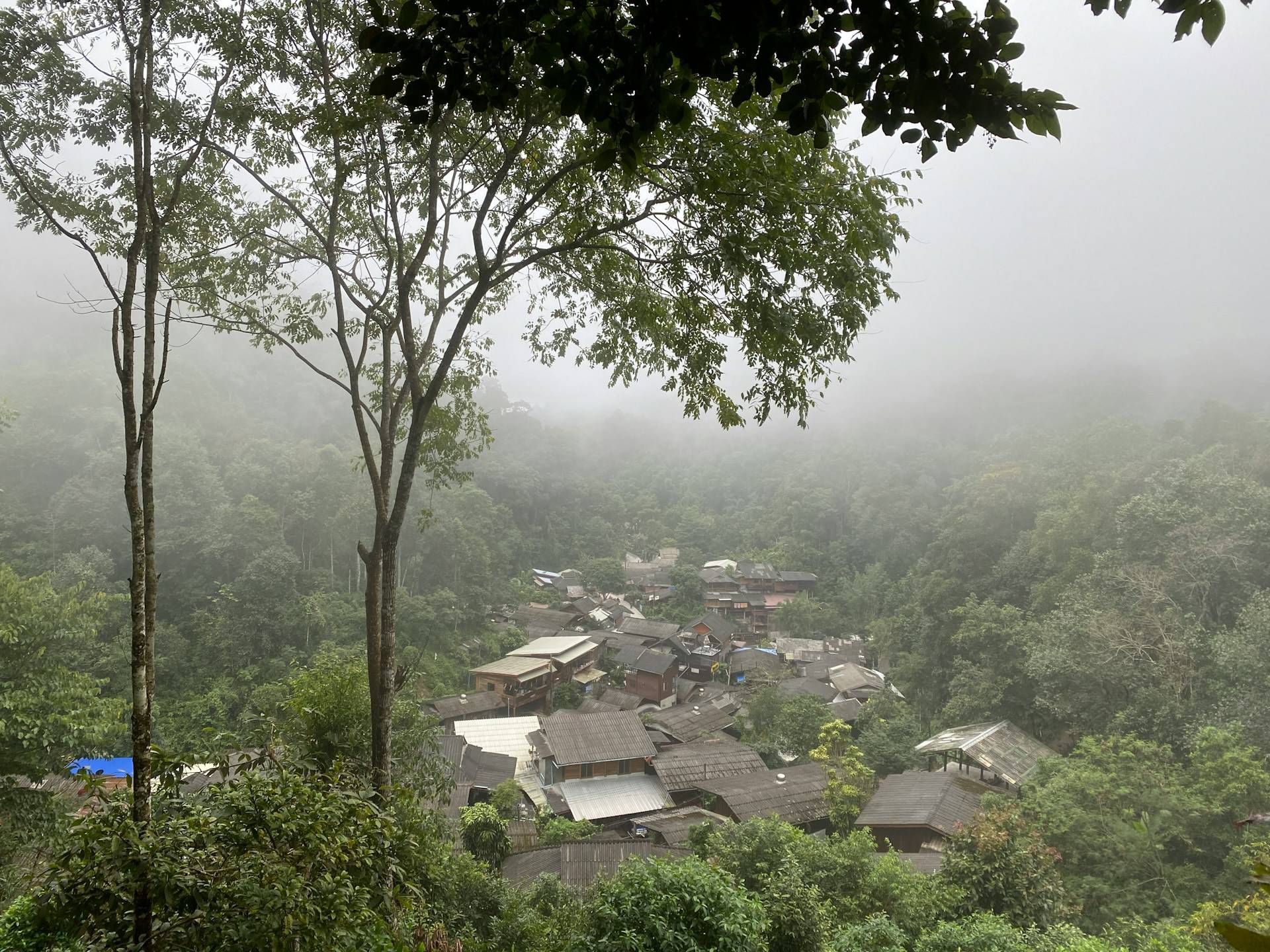
Surrounded by forests and mountains, Mae Kampong is a small village where nature and tradition go hand in hand.
The village is well known for growing tea and coffee. Instead of large hotels, many visitors stay in family-run homestays, allowing them to experience everyday village life. Guests can enjoy home-cooked meals, learn how tea is grown, and take peaceful walks through nearby forests and waterfalls.
Tourism has helped the local community earn an income while still protecting their traditions and natural surroundings. This makes Mae Kampong a great example of responsible tourism.
Hundar, India
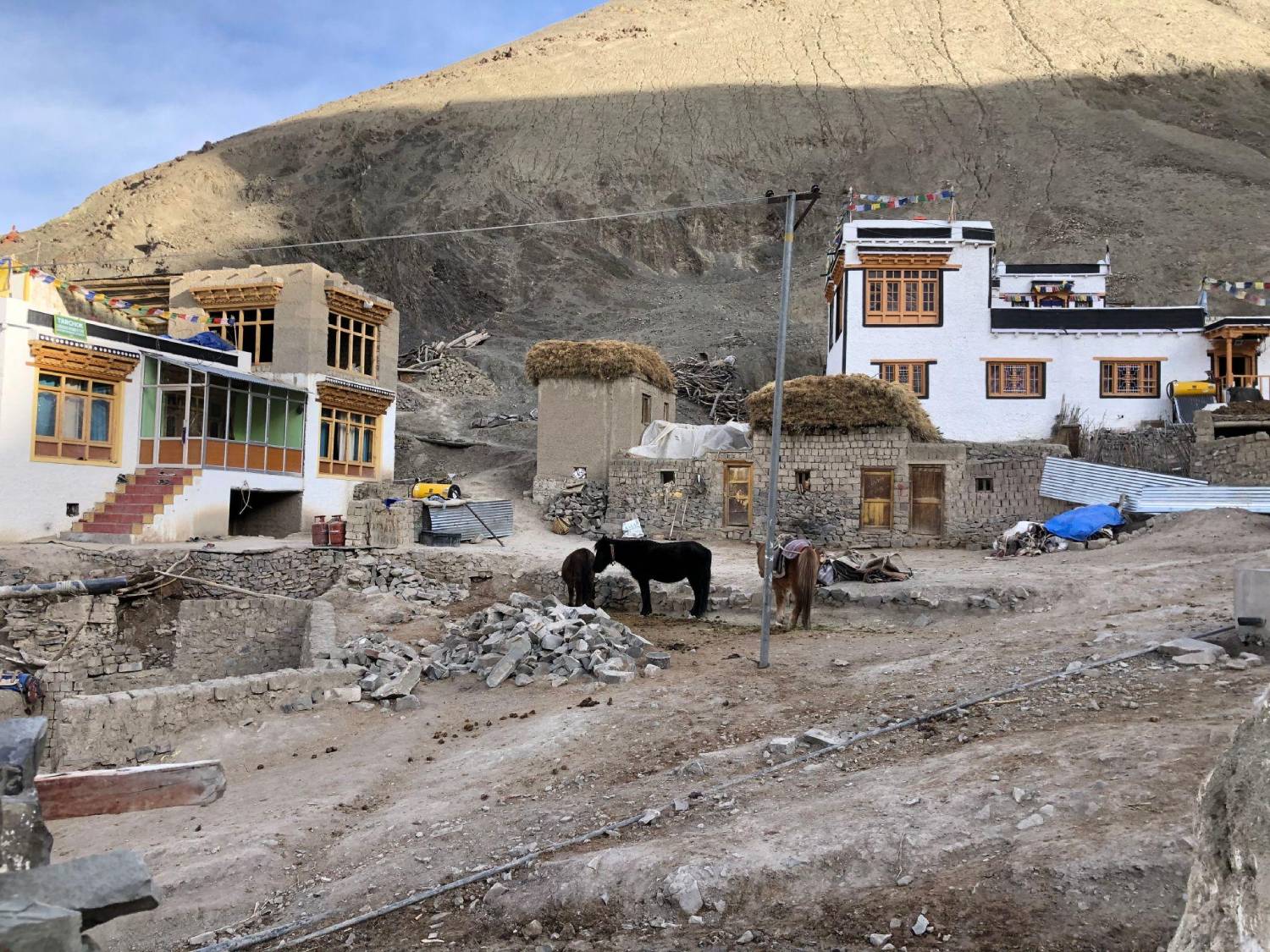
Located in the stunning Nubra Valley, Hundar is a small village surrounded by high mountains, green farms, and unique cold desert sand dunes.
The people of Hundar continue to follow many traditional Ladakhi customs. Farming remains an important part of daily life, and families grow crops such as barley and vegetables during the warmer months. Visitors can explore nearby Buddhist monasteries, taste local dishes, and watch colourful festivals that celebrate the region’s culture and history.
The peaceful environment and warm hospitality make Hundar one of the most memorable villages to visit in the Himalayas.
Ban Rak Thai, Thailand
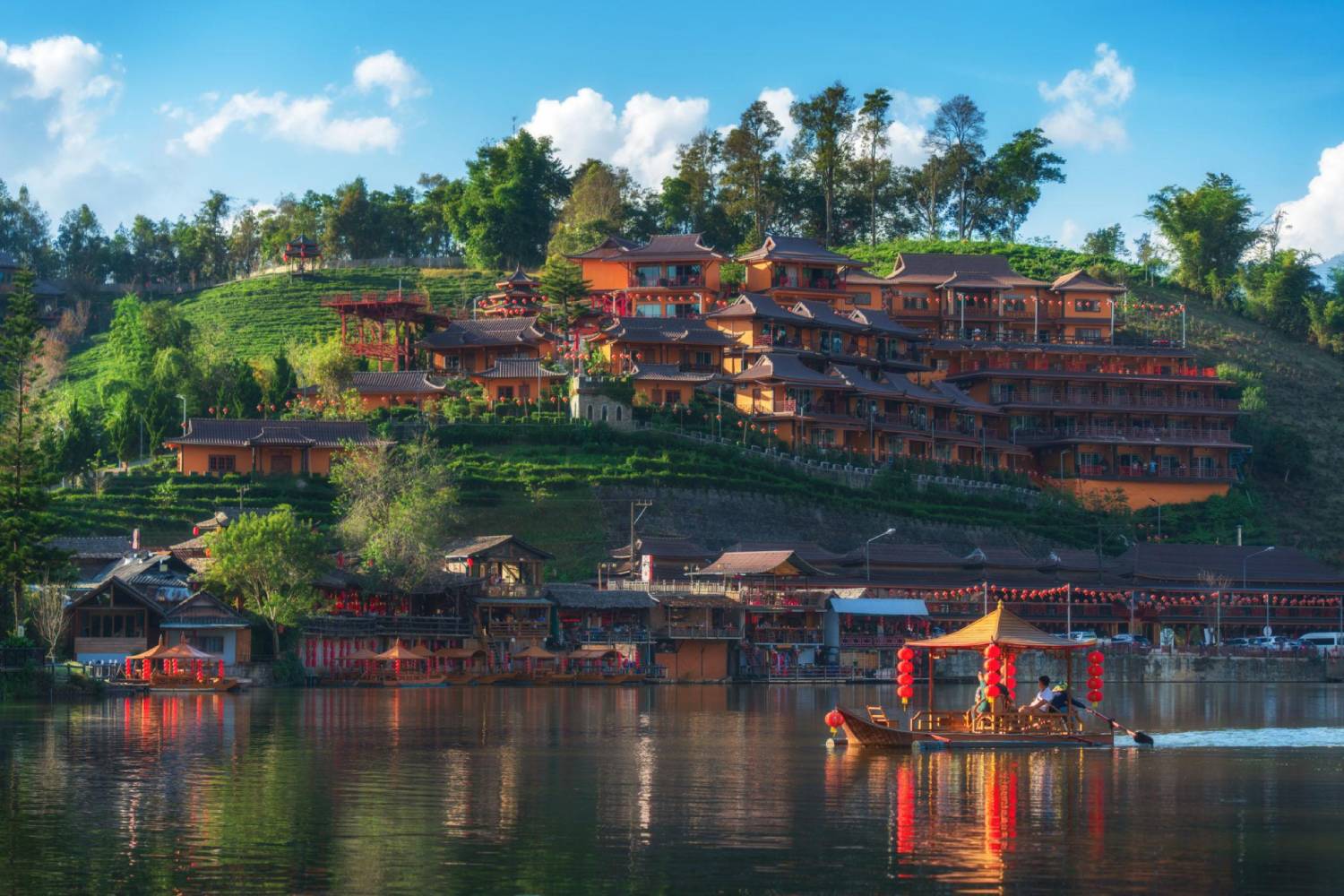
Close to the border with Myanmar, Ban Rak Thai is a beautiful mountain village with strong Chinese roots. It was founded by people from China’s Yunnan Province, and many of their traditions are still followed today.
The village is surrounded by tea plantations and a peaceful lake, creating a calm and relaxing atmosphere. Visitors can enjoy fresh oolong tea, explore small local shops, and admire traditional Chinese-style houses.
Ban Rak Thai is a wonderful example of how different cultures can be preserved while becoming part of a new country.
Khinalug, Azerbaijan
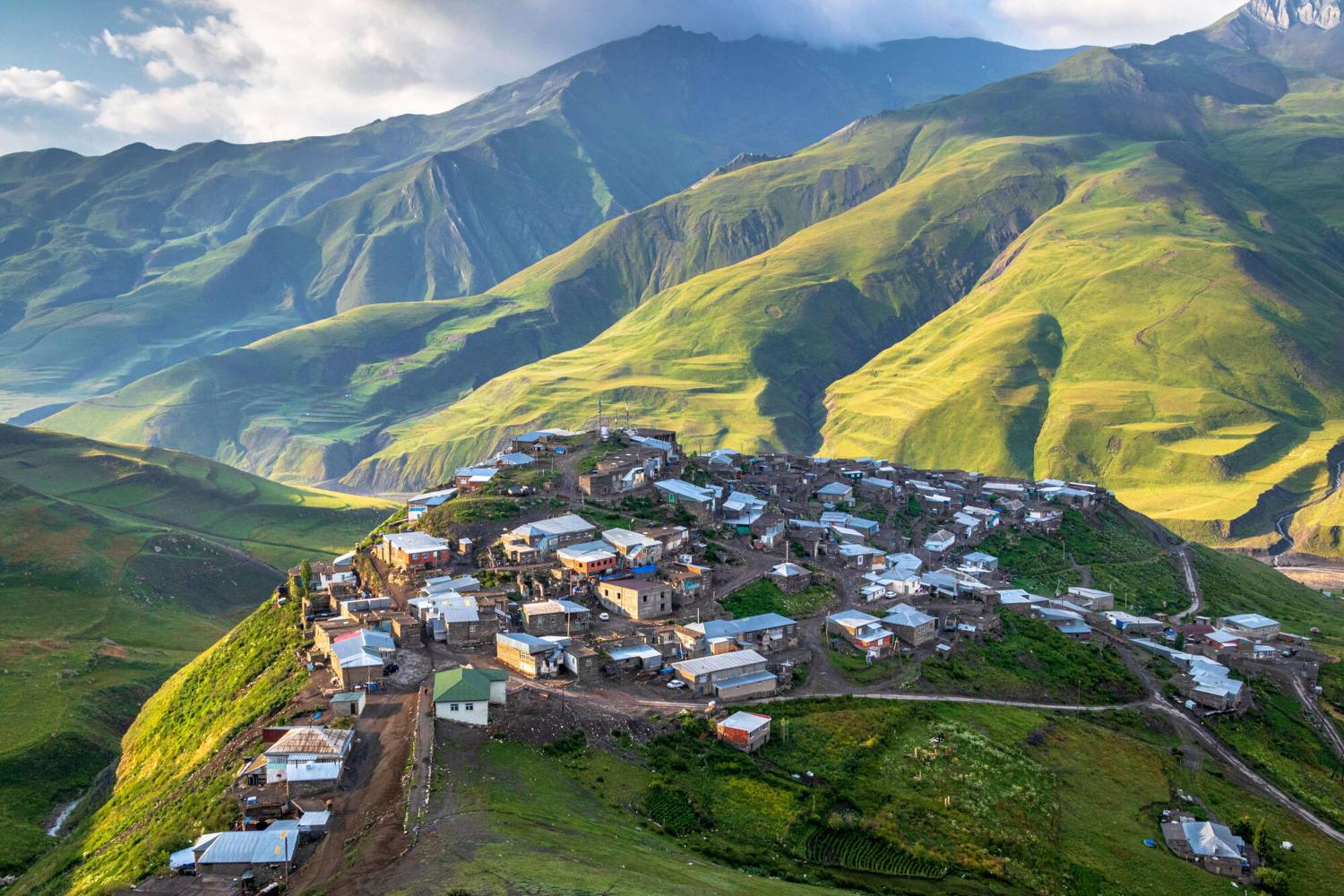
High in the Caucasus Mountains sits Khinalug, one of the oldest and highest mountain villages in the region.
The village has been home to local families for centuries. Stone houses are built close together on the mountainside, helping protect people from the harsh weather. Many villagers still raise sheep, make traditional clothing, and speak their own local language, which is different from the languages spoken in other parts of Azerbaijan.
Its peaceful setting and beautiful mountain views make it a perfect place for travellers looking for both culture and nature.
Why These Villages Matter
These villages are more than beautiful places to visit. They help protect Asia’s rich history and culture. Every traditional house, local festival, handmade craft, and family recipe tells a story about the people who have lived there for generations.
Today, many young people move to cities for work and education, which makes it harder for villages to keep their traditions alive. At the same time, tourism is growing. When managed responsibly, tourism can help local communities earn money while encouraging them to continue preserving their culture.
As visitors, we also have a responsibility. Respecting local customs, buying handmade products from local artisans, staying in family-run accommodation, and protecting the natural environment all help these communities continue their traditional way of life.
Asia’s hidden villages remind us that some of the world’s most meaningful travel experiences are found away from crowded cities and famous landmarks. These peaceful communities offer a chance to slow down, connect with local people, and discover traditions that have been carefully protected for hundreds of years.
Whether you are walking through the snowy streets of Shirakawa-go, enjoying a cup of tea in Ban Rak Thai, exploring the mountain paths of Khinalug, or experiencing the warm hospitality of Hundar, every village has its own unique story to tell.
Travelling to these hidden destinations is not only about seeing beautiful places. It is about learning, understanding, and appreciating the cultures that make Asia one of the most diverse and fascinating regions in the world.