The colours we wear often say more than we realise. From confidence-boosting tones to calming shades, fashion colours can shape mood, express personality, and influence how we feel every day.
Fashion has always been about more than clothing. The colours people wear often reflect mood, personality, confidence, and even emotional needs. From calming neutrals to bold statement shades, colour psychology plays a powerful role in personal style and self-expression. Many women naturally gravitate towards certain colours without fully realising how those choices influence perception, confidence, and daily mindset.
In modern fashion, colour has become a form of silent communication. Studies in colour psychology suggest that shades can affect emotions, behaviour, and even how others respond socially and professionally. Whether someone chooses soft pastel tones for comfort or vibrant red for confidence, every wardrobe tells a subtle emotional story. Understanding the psychology behind colours can help women build a style that feels authentic, empowering, and emotionally aligned with who they are.
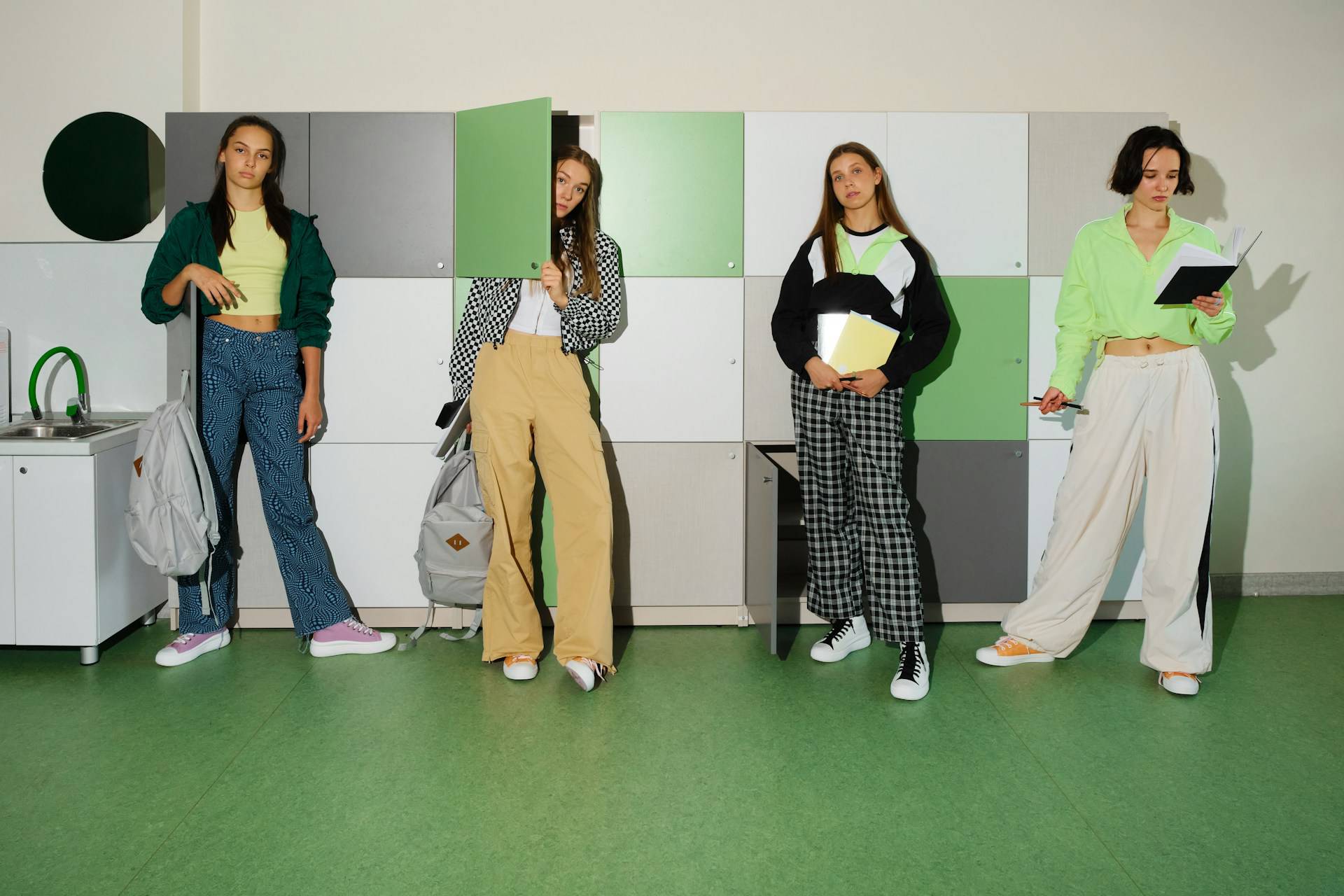
Why Colour Psychology Matters in Fashion
Clothing choices often influence first impressions before a single word is spoken. Colours can shape how a person feels internally while also affecting how they are perceived externally. Fashion psychologists frequently explain that colours trigger emotional associations based on culture, experiences, and personal memories.
For example, darker tones may communicate sophistication and authority, while lighter shades often feel approachable and calm. This emotional connection explains why many women choose different colours depending on the occasion, mood, or stage of life.
Fashion brands also use colour psychology strategically in marketing and design because certain shades naturally attract attention or create emotional comfort. Personal style works in much the same way.
The Emotional Meaning Behind Popular Fashion Colours
Red: Confidence and Energy
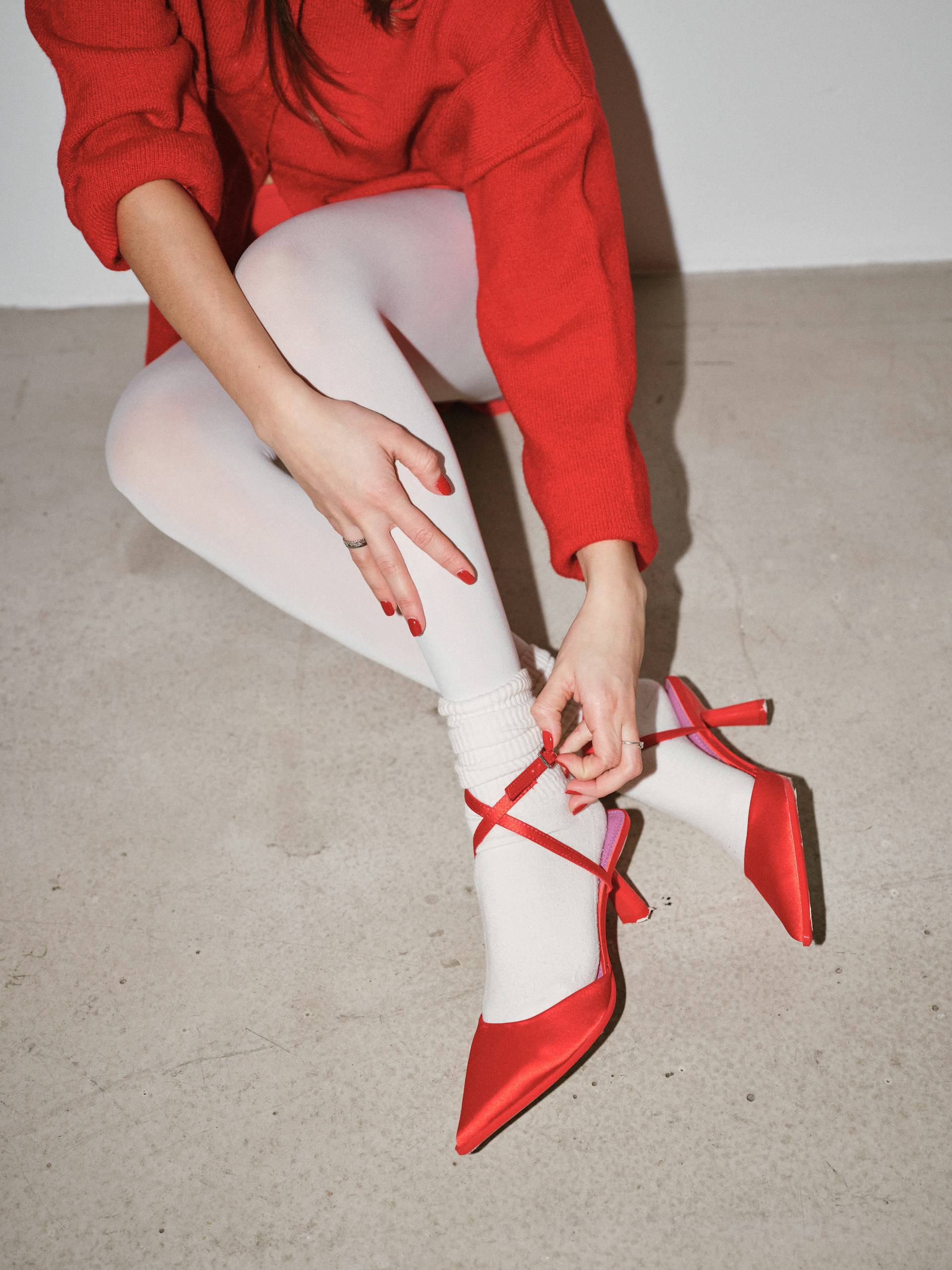
Red is strongly associated with passion, strength, and confidence. It naturally draws attention and creates a sense of boldness. Women often wear red during important meetings, events, or social occasions when they want to feel empowered and noticeable.
In fashion, red can symbolise:
Confidence
Attraction
Energy
Leadership
Passion
Even small touches of red, such as lipstick, shoes, or handbags, can create a striking visual impact.
Blue: Calmness and Trust
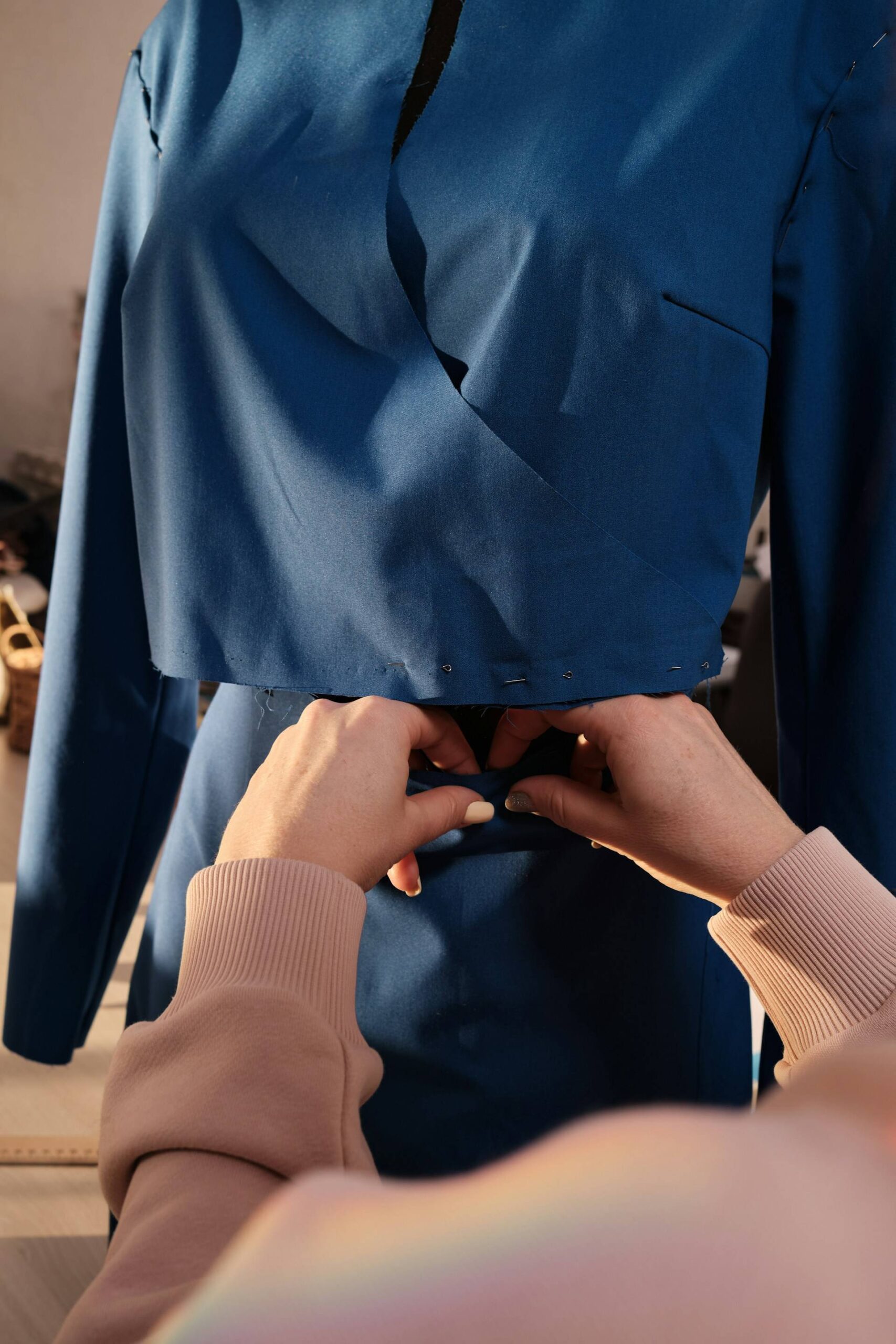
Blue is one of the most universally loved colours because it creates feelings of calmness, reliability, and stability. Lighter blues often feel soft and peaceful, while navy blue projects professionalism and elegance.
Many women choose blue outfits for work environments because the colour is associated with trust and emotional balance. It is also commonly linked to timeless, effortless style.
Black: Elegance and Sophistication
Black remains a fashion staple because of its versatility and timeless appeal. It is often connected with sophistication, confidence, and mystery. Many women rely on black clothing when they want to feel polished, refined, or powerful.
The popularity of the classic little black dress highlights how black continues to symbolise elegance across generations.
At the same time, fashion experts note that black can also provide emotional comfort. It creates a sense of protection and control, particularly during stressful or emotionally demanding periods.
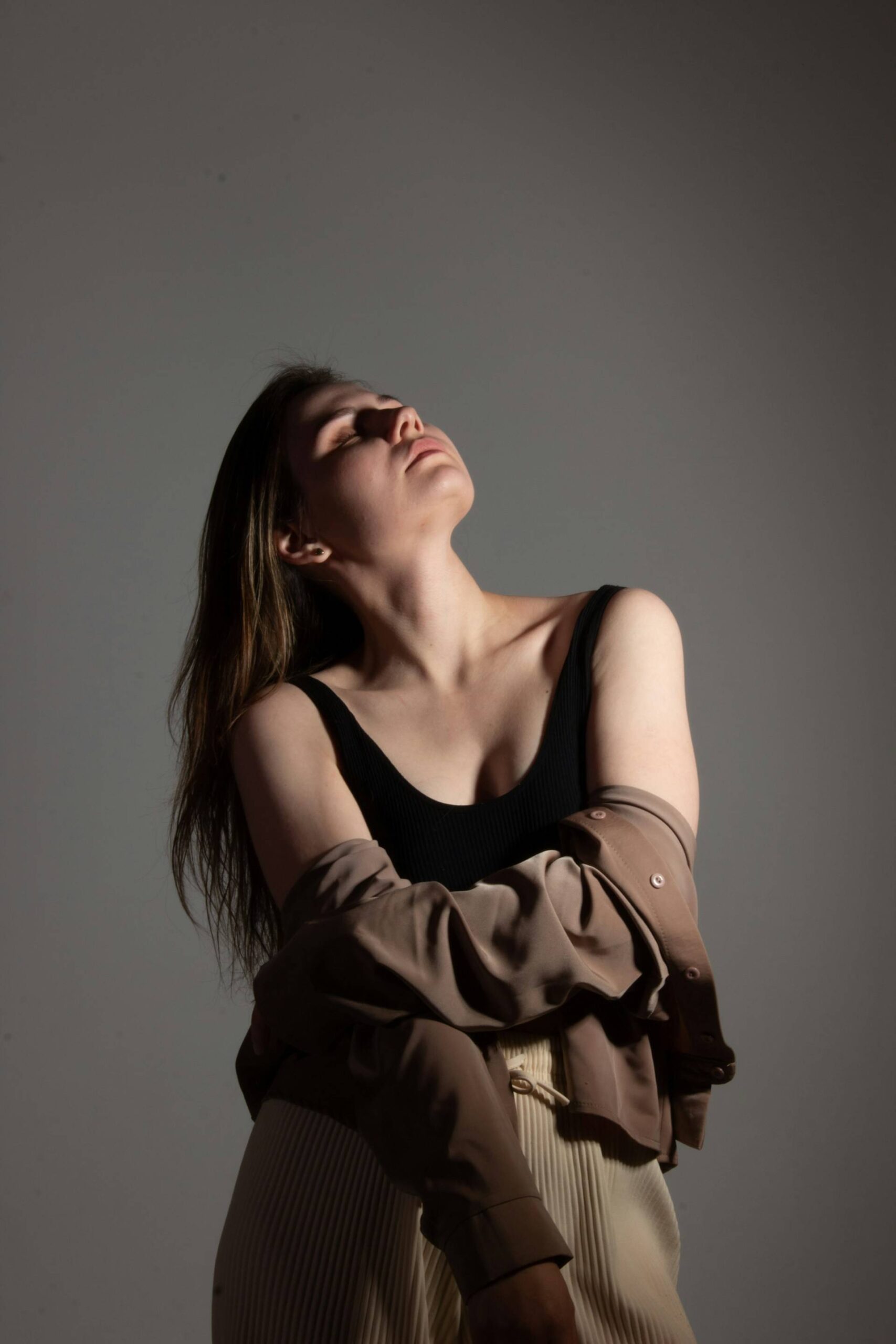
Pink: Femininity and Warmth
Pink has evolved significantly in modern fashion. Once viewed only as soft or delicate, it now represents confidence, creativity, and modern femininity. Soft pink tones often create feelings of calmness and warmth, while brighter shades bring energy and playfulness.
Many women incorporate pink into their wardrobes to express:
Compassion
Creativity
Optimism
Romantic energy
Emotional openness
Fashion trends have also embraced pink as a powerful colour rather than a traditionally passive one.
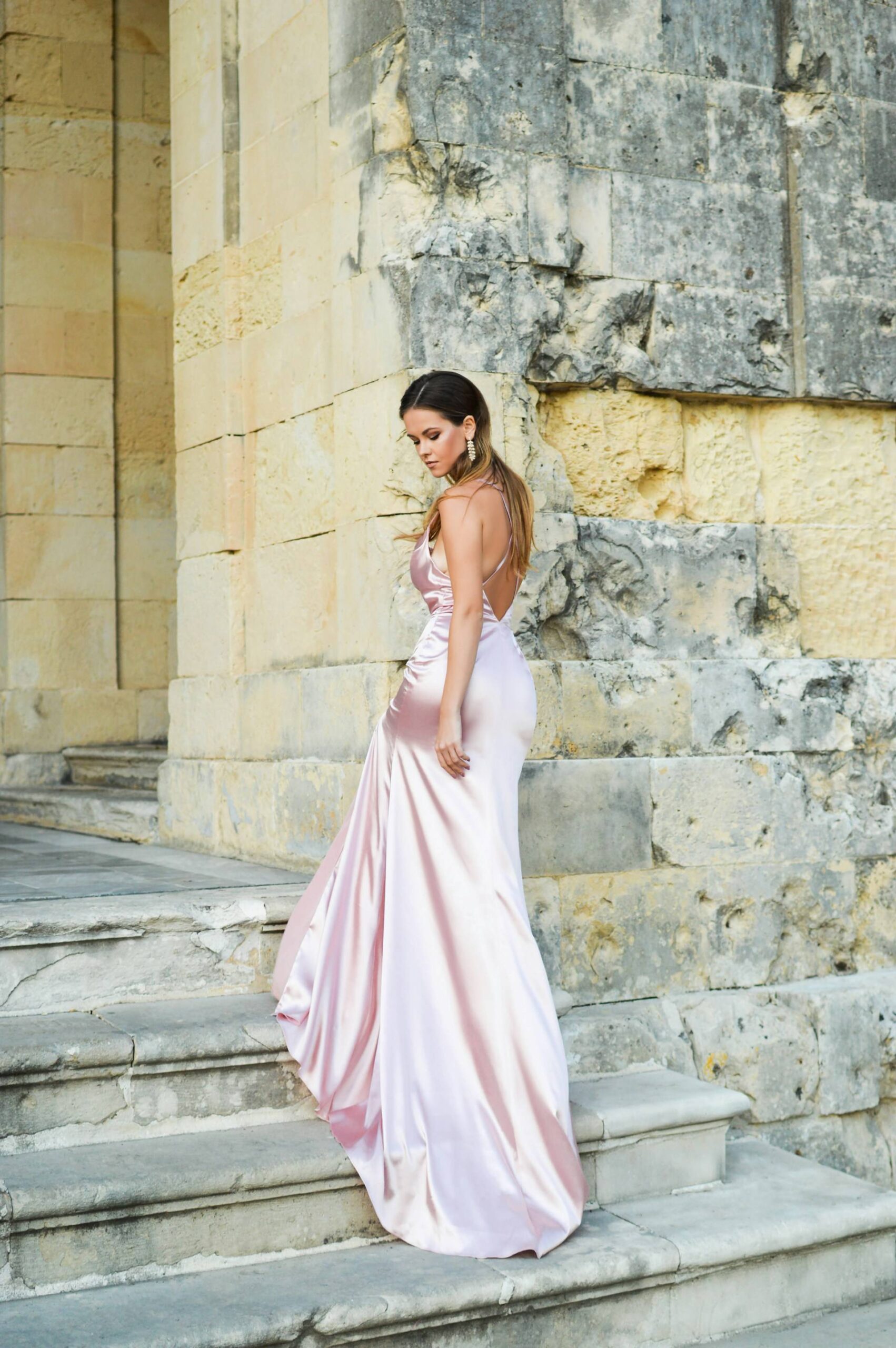
White: Simplicity and Freshness
White often represents clarity, simplicity, and new beginnings. Crisp white outfits can feel fresh, elegant, and effortlessly stylish. Many minimalist fashion trends rely heavily on white because it creates a clean and modern aesthetic.
Women often wear white during transitional moments, summer seasons, or periods where they want their style to feel lighter and more refined.
How Colours Influence Confidence and Mood
Personal style is deeply connected to emotional wellbeing. The colours people wear can genuinely influence daily confidence and emotional state. This is sometimes referred to as “dopamine dressing,” a fashion trend focused on wearing colours that create positive emotional responses.
Bright colours can boost energy levels, while softer tones may create emotional calmness. Many women instinctively dress according to how they want to feel rather than simply following trends.
For example:
Yellow may increase optimism and positivity
Green often creates balance and calmness
Purple can feel luxurious and creative
Orange may encourage sociability and enthusiasm
Fashion psychologists suggest that mindful colour choices can support self-confidence, emotional comfort, and personal identity.
Building a Personal Style Through Colour
Understanding colour psychology does not mean following strict fashion rules. Personal style is most powerful when it feels natural and emotionally authentic. Instead of choosing colours solely because they are trendy, many women now focus on shades that genuinely reflect their personality and lifestyle.
A strong personal wardrobe often includes:
Signature colours that feel emotionally uplifting
Neutral basics for versatility
Accent shades for confidence and creativity
Seasonal colours that complement mood and lifestyle
Women who feel emotionally connected to their wardrobe choices often appear more confident and comfortable overall.
The Rise of Emotional Fashion Trends
Fashion is increasingly becoming more personal and emotionally driven. Modern consumers are moving away from rigid style rules and focusing more on self-expression, comfort, and emotional wellbeing.
Social media platforms have also influenced how women experiment with colour combinations, seasonal palettes, and mood-based styling. Trends such as colour analysis consultations and capsule wardrobes continue growing because women want clothing that feels emotionally aligned rather than simply fashionable.
This shift reflects a broader lifestyle movement where fashion supports confidence, individuality, and mental wellbeing instead of unrealistic perfection.
How to Use Colour Psychology in Everyday Fashion
Women do not need a completely new wardrobe to benefit from colour psychology. Small styling adjustments can make a noticeable difference in confidence and emotional expression.
Some simple ways to use colour intentionally include:
Wearing brighter colours during low-energy days
Using neutral tones for professional environments
Adding bold accessories for confidence
Choosing calming shades during stressful periods
Experimenting with seasonal colour palettes
Fashion becomes far more meaningful when colour choices support emotional comfort and authenticity.
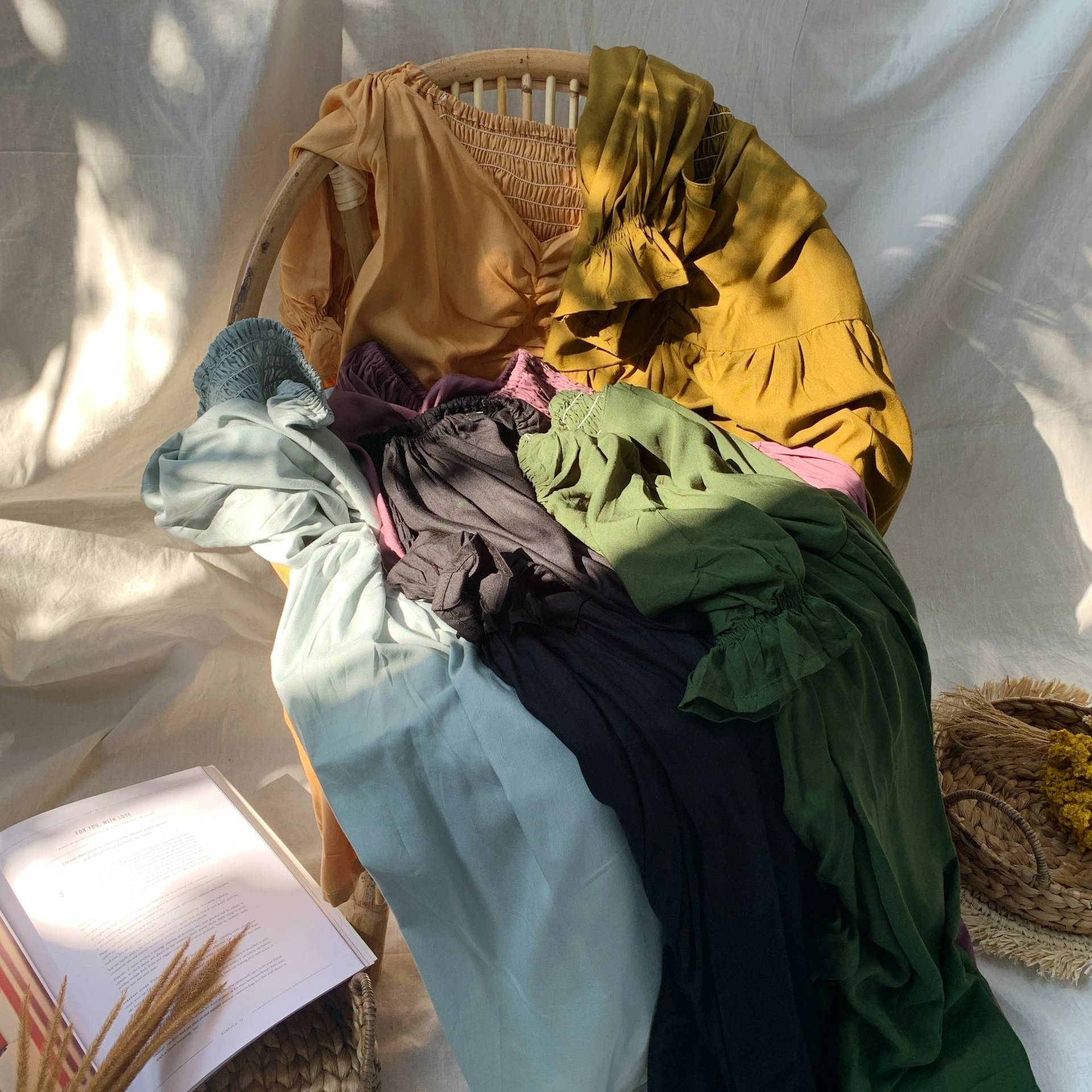
Fashion and Colour Psychology Facts
Research in behavioural psychology shows that colours can influence emotions, decision-making, and even social interactions.
Many women naturally choose different colours depending on their mood, confidence level, or the type of event they are attending.
Yellow is often linked with positivity and optimism, which is why it is frequently used in spring and summer fashion collections.
Green is commonly associated with balance, renewal, and wellness, making it popular in modern lifestyle and wellness-inspired fashion trends.
Fashion retailers carefully select colour palettes each season because consumer buying habits are often emotionally influenced by colour.
Neutral wardrobes have become increasingly popular due to the rise of minimalist fashion and sustainable styling movements.
Purple has historically been associated with luxury and royalty because purple dye was once extremely rare and expensive.
Colour coordination in fashion can affect how polished and organised an outfit appears visually.
Many professional stylists recommend using colour strategically to highlight features, create balance, and express personality naturally.
Social media trends have encouraged more women to experiment with bold colour combinations and expressive personal styling choices.