From small ideas to global fashion brands, these women are changing how Asia creates, wears, and defines modern style.
Fashion in Asia is changing in a very big way. It is no longer only about traditional wear or copying global trends. A new generation of women entrepreneurs is building fashion brands that feel modern, meaningful, and deeply connected to culture.
Asia is now one of the fastest-growing fashion regions in the world. The demand for clothing is rising quickly, especially because of young buyers who shop online and follow style trends on social media. Fashion is no longer limited to stores or runways. It now grows through phones, reels, and digital storytelling.
What makes this shift more interesting is the rise of women-led brands. Many of these entrepreneurs are not only designing clothes but also building strong businesses from scratch. They are mixing creativity with strategy and turning local ideas into global fashion identities.
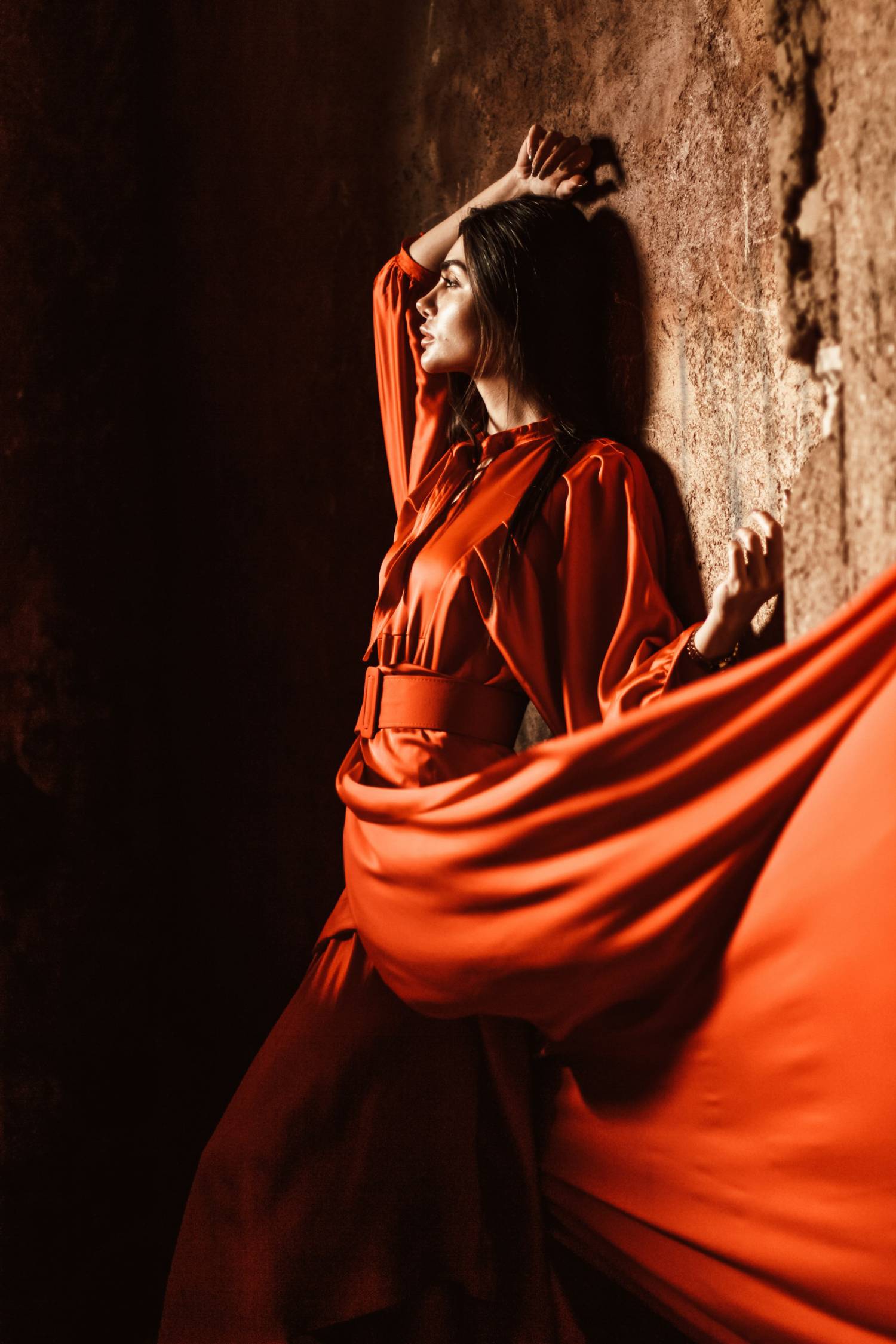
A New Fashion Era Led by Women
Fashion in Asia today is shaped by change in lifestyle and thinking. Young customers want clothes that feel personal. They want fashion that reflects identity, not just trends.
At the same time, digital platforms have removed many old barriers. A designer no longer needs a big fashion house to start a brand. A strong idea, online presence, and consistency are often enough to build a global audience.
Sustainability is also becoming important. Many buyers are now more aware of fabric quality, ethical production, and environmental impact. This has created space for new kinds of fashion brands that care about both design and responsibility.
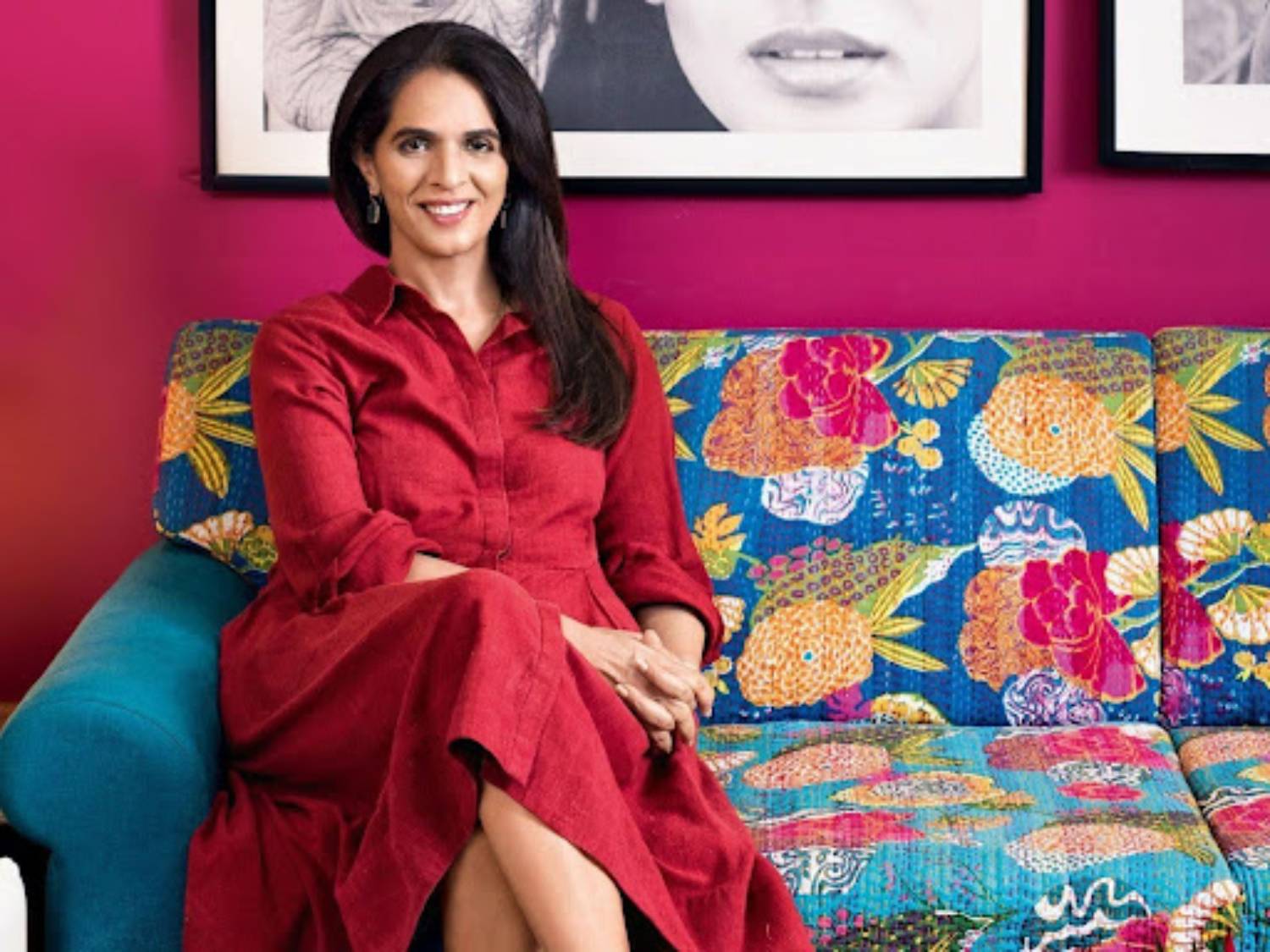
Anita Dongre, Fashion Rooted in Craft and Responsibility
Anita Dongre has built her brand around Indian craftsmanship and sustainability. Her designs bring together traditional handwork and modern style in a very balanced way.
She works closely with artisan communities and supports handmade textiles, helping preserve skills that have been passed down for generations. At the same time, her collections are designed for modern global customers who want elegance with meaning.
Her work also reflects a larger fashion reality. The global fashion industry produces a huge environmental impact, and sustainable brands are now becoming more important than ever. Designers like her show that luxury fashion can still be responsible and rooted in tradition while appealing to international markets.
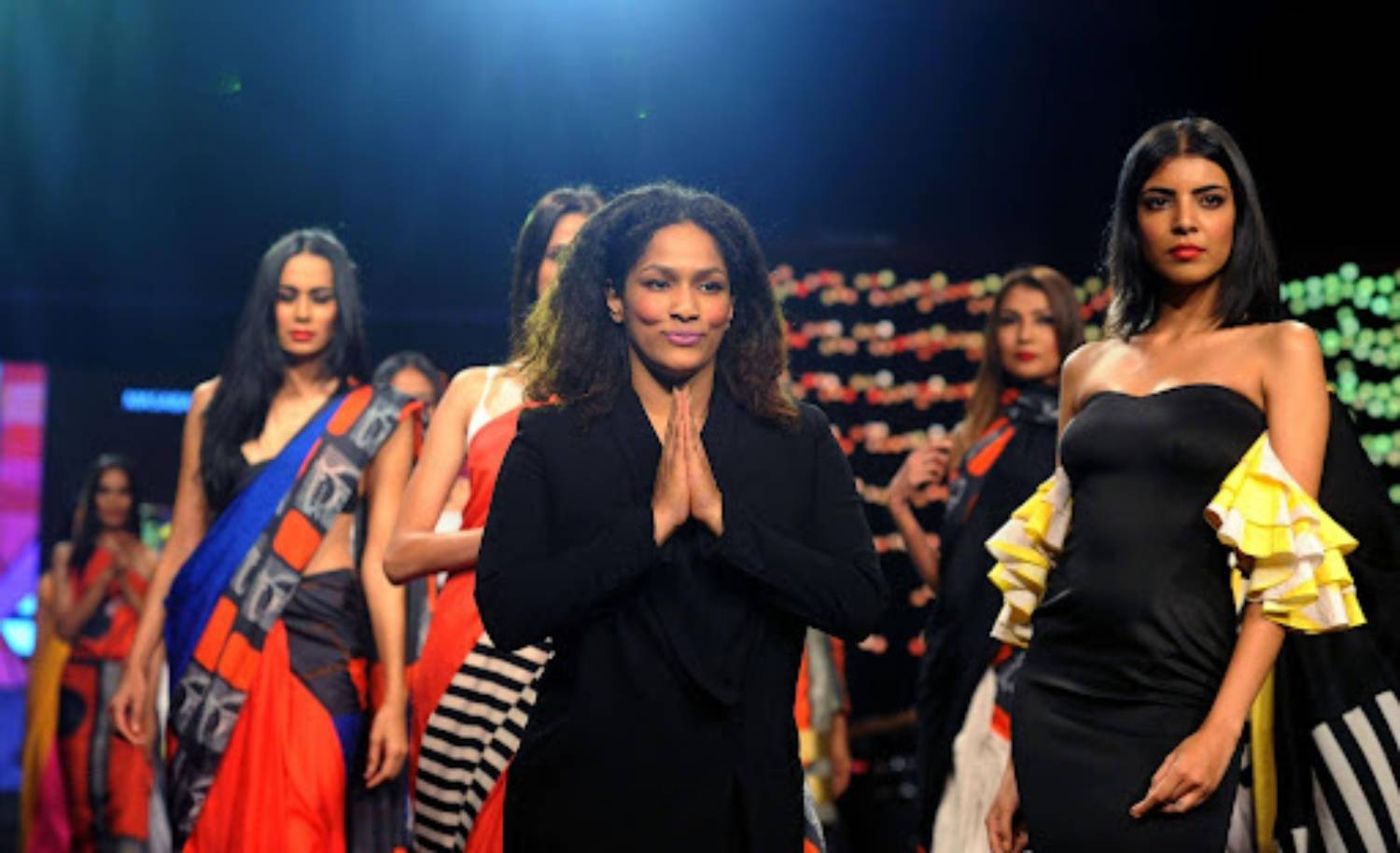
Masaba Gupta – Bold Identity and Modern Expression
Masaba Gupta has created a very different fashion voice. Her brand is known for bold prints, playful patterns, and a strong sense of personality.
She built her label at a time when Indian fashion was mostly seen in traditional formats. Instead of following the usual path, she created something fresh that connects strongly with younger audiences who want expressive and modern clothing.
Her success also connects closely with digital culture. Fashion today grows through visibility, and her brand became widely known through social media and online engagement. This shows how modern fashion is not only about design but also about storytelling and connection.
Peggy Hartanto – Clean Design with Global Appeal
Peggy Hartanto represents a refined and minimal approach to fashion. Based in Indonesia, she focuses on structured silhouettes, clean shapes, and soft modern tones.
Her design style feels simple but powerful, often seen in international fashion spaces. She is part of a growing group of Southeast Asian designers who are gaining global recognition.
This rise is important because global fashion is no longer centered in one region. Designers from Asia are now influencing international style direction through originality and modern thinking.

Christy Ng – From Online Startup to Fashion Brand
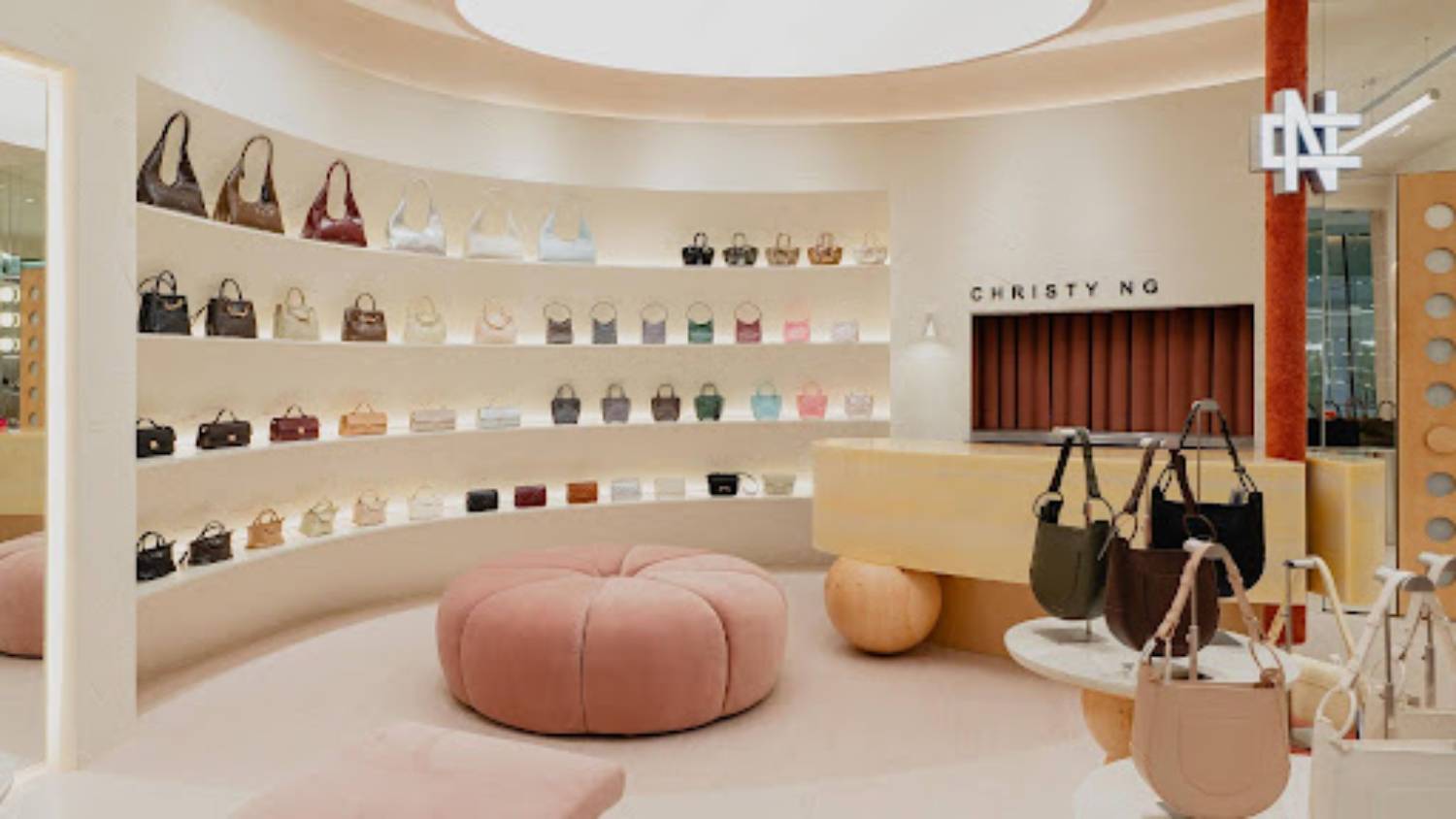
Christy Ng started her journey with a small online business focused on shoes. Her goal was simple: create stylish and comfortable footwear that more people could afford.
From that small beginning, she built a full fashion brand that now includes shoes, bags, and accessories. Her growth shows how digital-first businesses are changing fashion in Asia.
Instead of starting with physical stores, many new brands now grow online first. This model allows faster reach, direct customer feedback, and stronger brand building from the early stage.
Jessica Minh Anh – Fashion as Experience and Performance
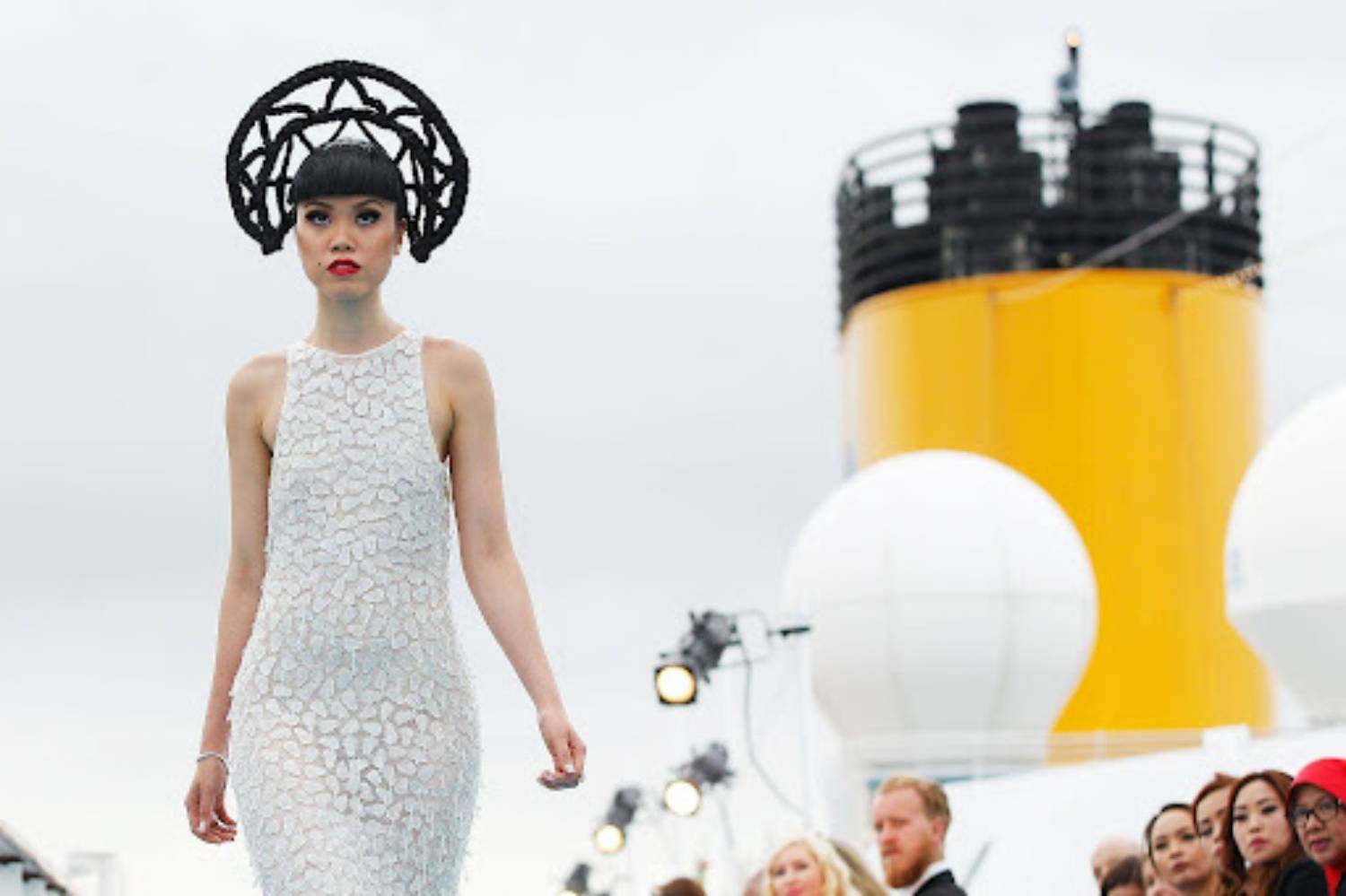
Jessica Minh Anh has taken fashion beyond clothing and turned it into large creative experiences. Her runway shows are held in unusual locations like bridges, ships, and skyscrapers, making each event visually powerful and memorable.
Her work shows how fashion is no longer only about garments. It is also about emotion, storytelling, and global connection. She brings together designers, cultures, and audiences in a way that feels modern and artistic.
Her approach reflects a bigger change in the industry where fashion is becoming more about experience rather than just products.
A Stronger, More Creative Fashion Future
These five women represent a powerful shift happening in Asia’s fashion industry. They are not only building brands but also changing how fashion is understood.
The industry is growing because of digital platforms, changing customer behavior, and stronger creative independence. Fashion is becoming more personal, more sustainable, and more global at the same time.
What makes this movement important is not only success, but direction. Asia is no longer following global fashion trends. It is shaping its own future, led by women who are turning ideas into lasting impact.
Key Facts About Fashion in Asia
Fashion in Asia is growing at a very fast pace, driven by young consumers and digital platforms. One of the biggest changes is that Asia has become one of the largest fashion markets in the world, with demand increasing every year across both luxury and affordable segments.
A major shift is happening in how people shop. Online fashion sales are now growing rapidly because mobile phones and social media have become the main way people discover new brands.
Another important change is the rise of women-led fashion businesses. More female entrepreneurs are entering the industry, building brands that focus on identity, culture, and modern design.
Sustainability is also becoming a strong trend. Many fashion buyers in Asia now prefer eco-friendly fabrics and ethically made clothing instead of fast fashion.
At the same time, social media platforms like Instagram and TikTok are now the strongest marketing tools for fashion brands, helping small labels reach global audiences without traditional advertising.