
What began as a challenge to unrealistic beauty standards was meant to empower women. But today, many feel trapped by new expectations. So, has body positivity failed or has society failed body positivity?
A decade ago, body positivity felt revolutionary.
Women with stretch marks appeared in campaigns. Plus-size models landed major magazine covers. Conversations about self-love moved from niche corners of the internet into mainstream culture. For the first time, many women saw bodies that looked like their own being celebrated rather than criticized.
But in 2026, a different question is emerging:
Has body positivity actually made women feel better about their bodies?
Or has it simply created a new set of expectations?
The answer is more complicated than a simple yes or no.
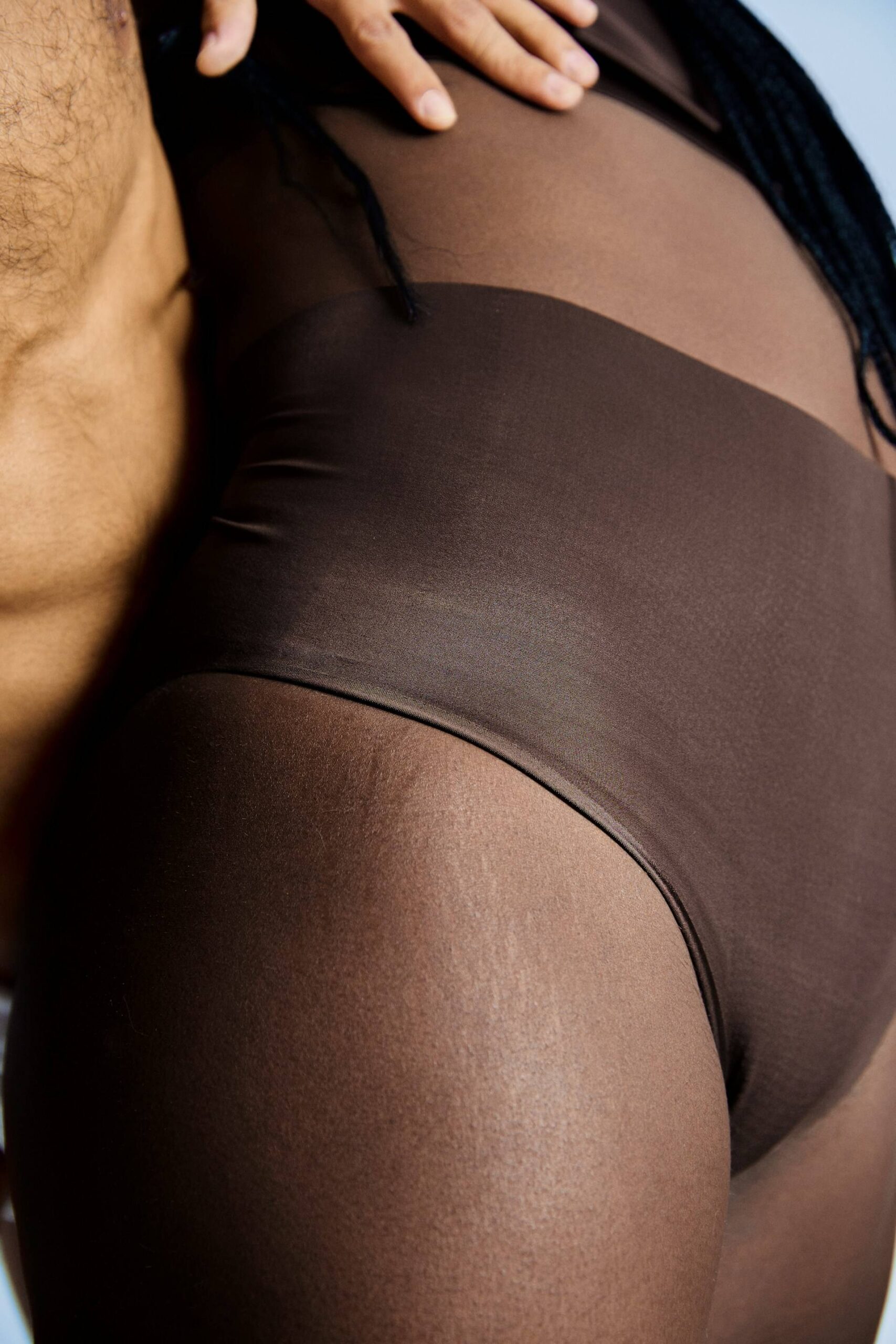
What Body Positivity Set Out to Do
At its core, body positivity was never supposed to be a beauty trend.
The movement grew from fat acceptance activism and aimed to challenge discrimination against people whose bodies fell outside society’s narrow beauty standards. Its message was simple: every person deserves dignity and respect regardless of size, shape, ability, age, or appearance.
For many women, the movement was life-changing.
Research suggests exposure to body-positive content can improve self-esteem and body image while reducing feelings of shame about appearance.
The fashion industry expanded sizing. Brands became more inclusive. Conversations around beauty standards became more critical than ever before.
In many ways, body positivity succeeded.
But success brought new challenges.
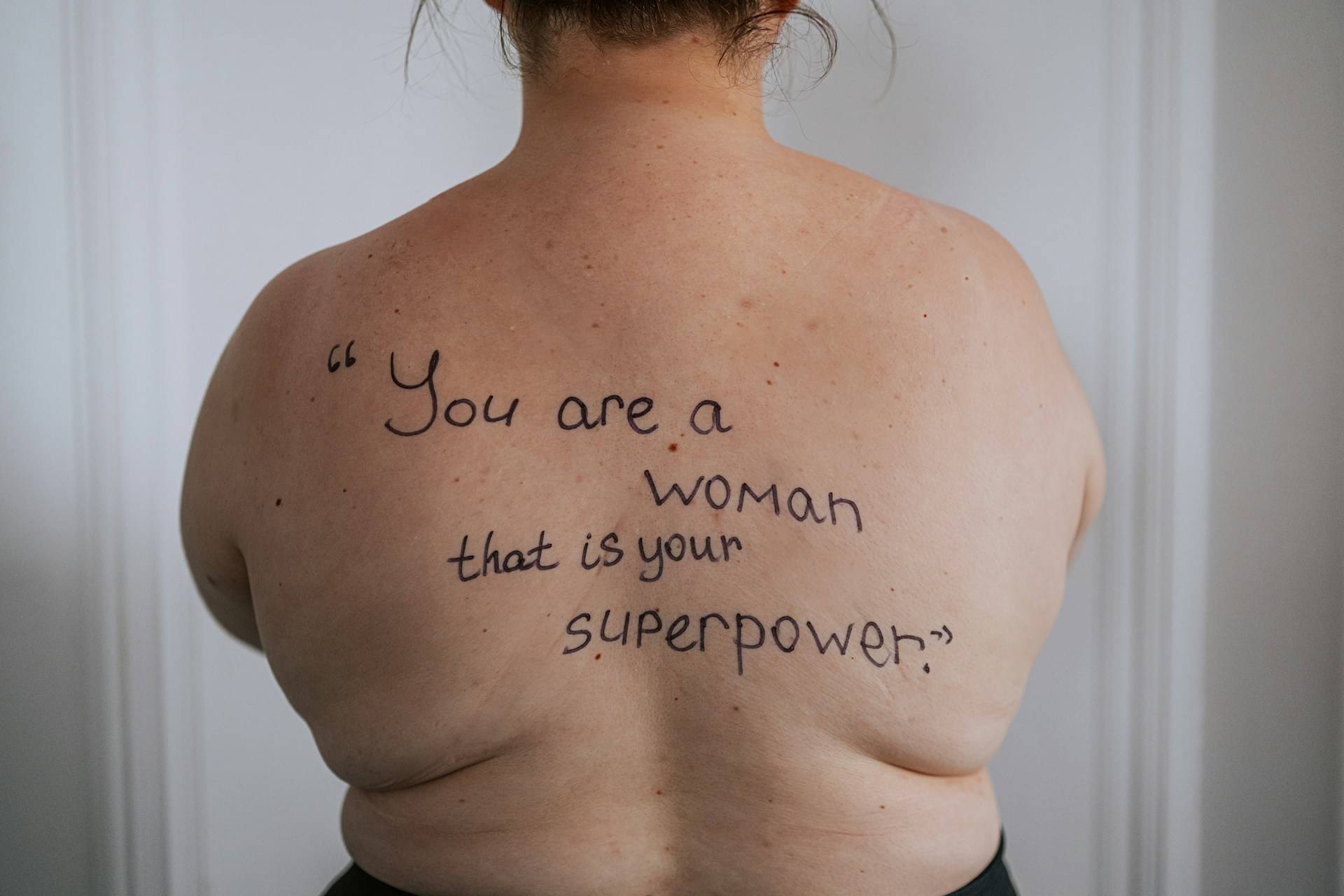
When Self-Love Becomes Another Pressure
One of the biggest criticisms of modern body positivity is that it can sometimes feel unrealistic.
Women who have spent years struggling with body image often don’t wake up one day suddenly loving every inch of themselves. Yet social media can make it seem as though confidence should come naturally.
Researchers have even coined the term “toxic body positivity” to describe the pressure to always feel positive about one’s body, even when emotions are more complicated. Critics argue that forcing positivity can make women feel guilty for having normal insecurities.
After all, is it realistic to expect someone to love their body every single day?
For many women, the answer is no.
Social Media Changed the Message
Another criticism is that body positivity became heavily tied to appearance-focused platforms.
A 2019 study found that a significant portion of body-positive content on Instagram remained centered on physical appearance. Critics argue that a movement designed to help women think less about their looks sometimes ended up keeping appearance at the center of the conversation.
Women were no longer expected to be thin.
But they were still expected to think about their bodies constantly.
The standard changed.
The obsession often remained.
The Health Debate
Perhaps the most controversial criticism involves health.
Some critics argue that parts of the movement became reluctant to discuss the health risks associated with obesity out of concern for reinforcing stigma. Others counter that body positivity was never intended to discourage healthy habits but rather to reduce shame and discrimination.
This debate has become even louder in the era of Ozempic and other weight-loss medications.
As celebrities and influencers embrace dramatic weight loss, many women feel caught between two conflicting messages: love yourself exactly as you are, but also strive to be thinner.
The result is confusion, frustration, and a sense that the goalposts keep moving.

Why Many Women Feel Let Down
The biggest disappointment may be that body positivity couldn’t solve the deeper issue.
Women’s worth is still often tied to appearance.
Beauty trends continue to change. Social media still rewards conventionally attractive faces and bodies. The wellness industry continues to profit from insecurity.
As one researcher noted, focusing only on individual confidence does little to address the cultural systems that create body dissatisfaction in the first place.
In other words, women were asked to love themselves while living in a culture that still profits from making them feel inadequate.
That’s a difficult battle to win.
The Rise of Body Neutrality
Interestingly, many women are moving away from body positivity altogether.
Instead, they’re embracing a concept called body neutrality.
Rather than demanding that women love their bodies every moment of every day, body neutrality suggests something simpler: your body doesn’t need to determine your worth.
Your body is not your résumé.
It’s not your personality.
It’s not your greatest achievement.
It’s simply one part of who you are.
For many women, that feels more realistic and more freeing.
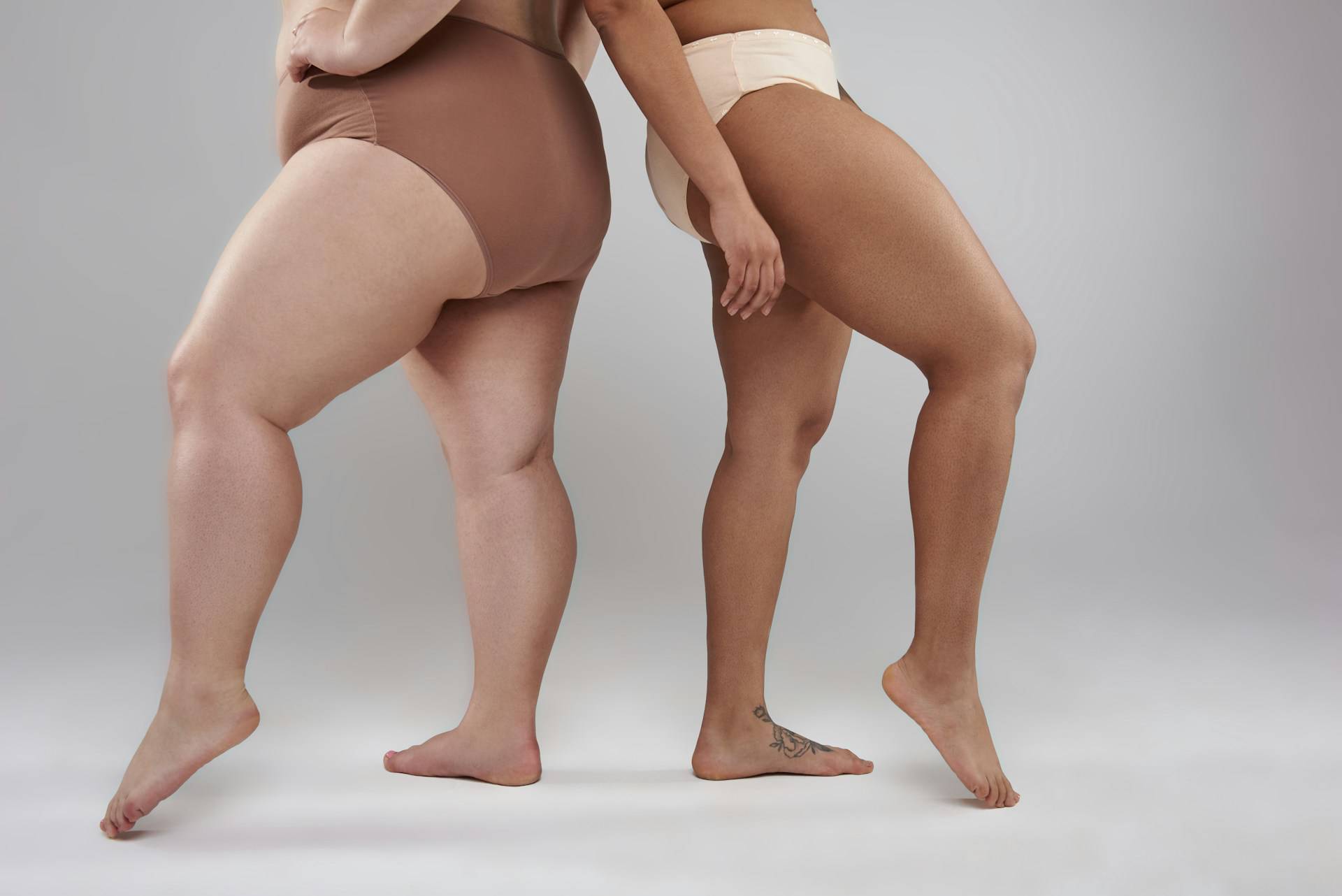
So, Has Body Positivity Failed?
Not entirely.
Body positivity helped challenge harmful beauty standards. It increased representation. It encouraged important conversations about self-worth and discrimination. Those achievements matter.
But it also revealed an uncomfortable truth:
No movement can completely protect women from a culture obsessed with appearance.
The real failure may not belong to body positivity itself. It may belong to a society that continues to measure women’s value by how they look.
Until that changes, women will continue searching for a healthier relationship with their bodies whether through body positivity, body neutrality, or something entirely new.
And perhaps that’s the point.
The goal was never to love your body perfectly.
The goal was to stop believing your body determines your worth.