Why are so many women feeling overwhelmed, even at a time when they have more opportunities than any generation before them?
Women today are breaking barriers in every part of society. They are leading companies, building businesses, earning university degrees in record numbers, raising families, creating communities, and influencing culture in ways previous generations could only imagine. From the outside, it looks like progress.
Yet beneath these achievements, many women quietly admit they are exhausted.
This isn’t simply about having busy calendars or demanding jobs. It is about carrying an invisible mental load that rarely switches off. It is the constant planning, remembering, anticipating, and worrying that often goes unnoticed but never truly disappears.
Being Tired Has Become the New Normal
There is an irony at the centre of modern womanhood. Women have gained greater freedom to choose the lives they want, yet many also feel stretched further than ever before.
Spend time with a group of friends and you’ll probably hear the same phrase repeated more than once: “I’m so tired.”
Not just physically tired, but mentally drained.
This kind of exhaustion doesn’t disappear after a good night’s sleep. It comes from constantly juggling responsibilities, making decisions, solving problems, and trying to meet expectations that seem to grow with every passing year.
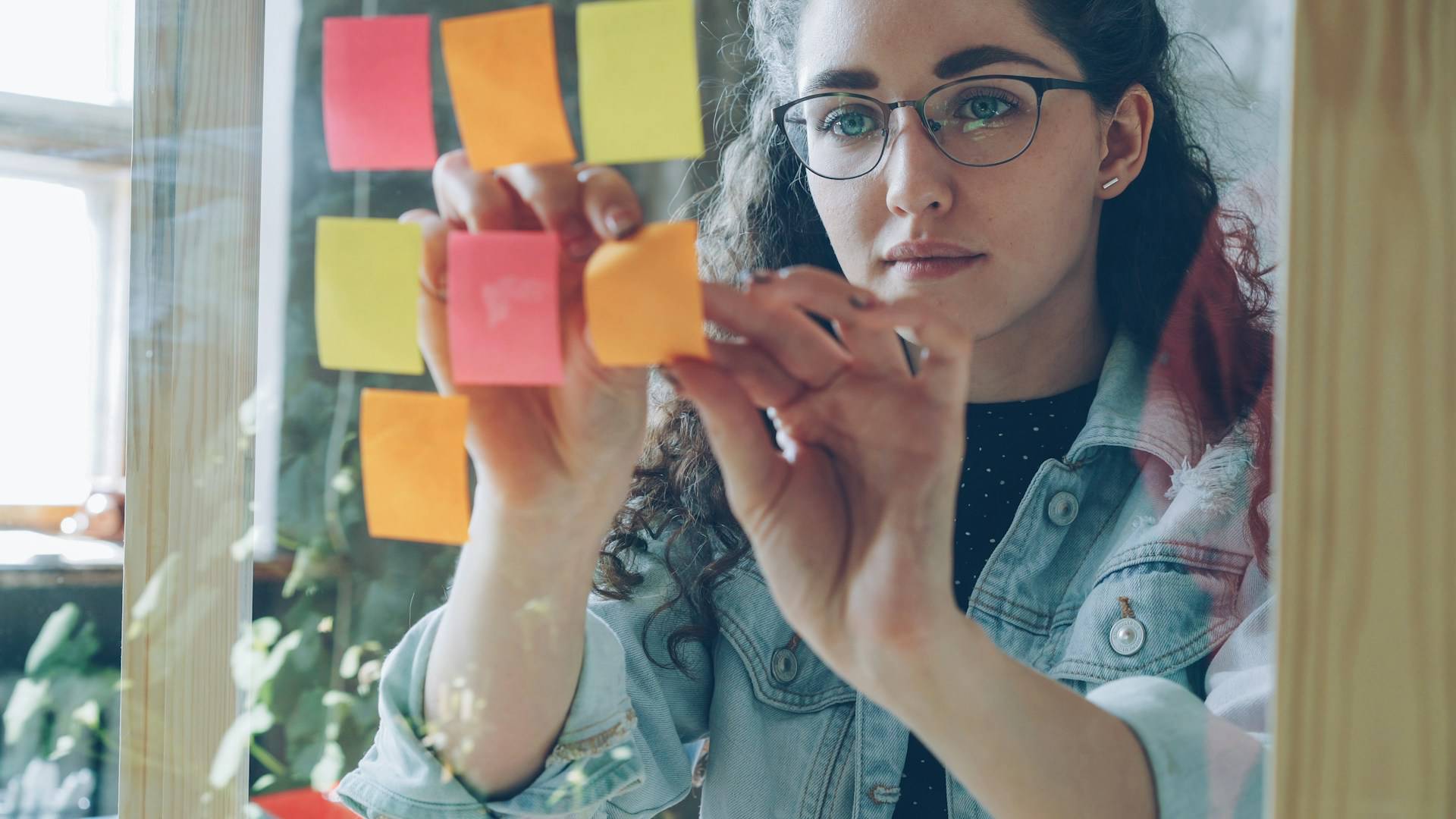
Many women move through their days switching effortlessly between different roles. They might begin the morning as a parent, spend the afternoon leading meetings at work, answer family messages during lunch, organise appointments on the journey home, prepare dinner, help with homework, and finally collapse into bed, only to lie awake thinking about everything that still needs doing tomorrow.
Even moments that should feel restful are often filled with mental checklists.
When “Having It All” Becomes “Doing It All”
For decades, women have been encouraged to believe they can have it all. Originally, that message represented freedom and opportunity, encouraging women to pursue careers, education, and ambitions that had once been out of reach.
Over time, however, the message quietly changed.
Having it all slowly became doing everything.
Success was no longer defined by one meaningful achievement. Instead, women were expected to excel everywhere at once. They should build successful careers, maintain happy relationships, raise confident children, care for ageing parents, stay physically healthy, nurture friendships, keep organised homes, and somehow still find time for hobbies, self-care, and personal growth.
None of these expectations are unreasonable on their own.
The challenge comes when society presents them as simultaneous responsibilities instead of individual choices.
The Weight No One Sees
One of the biggest contributors to women’s exhaustion is something researchers often call the mental load.
It isn’t simply completing tasks. It is remembering that the milk needs replacing before it runs out. It is knowing when birthdays are approaching, scheduling appointments, noticing that school uniforms are becoming too small, planning meals, checking calendars, remembering conversations, and anticipating problems before anyone else has even noticed them.
Much of this work is invisible.
Because it happens quietly in the background, it often goes unrecognised, even by the people who benefit from it most.
Over time, constantly carrying this invisible responsibility can become emotionally draining.
Social Media Has Raised the Bar Even Higher
Technology has made life easier in many ways, but it has also introduced a new source of pressure.
Every scroll through social media presents another image of someone apparently managing life perfectly. There are spotless homes, thriving careers, healthy meals, perfectly organised children, fitness routines, holidays, and smiling family photographs.
Most people understand these snapshots do not tell the full story.
Yet it can still feel difficult not to compare ourselves.
The result is a quiet belief that everyone else is coping better, achieving more, and struggling less.
That comparison only adds another layer to an already heavy mental load.
Asking for Help Shouldn’t Feel Like Failure
Many women have been taught to be capable, dependable, and resilient. These qualities are valuable, but they can also make asking for help feel uncomfortable.
Some feel guilty delegating responsibilities. Others worry they’ll be judged if they admit they are struggling.
The truth is that no one was meant to carry everything alone.
Sharing responsibilities at home, setting healthier boundaries at work, and saying no when necessary are not signs of weakness. They are healthy responses to unrealistic expectations.
Support is not something that should be earned only after reaching breaking point.
Redefining Success
Perhaps the biggest shift modern women need isn’t learning how to do more.
It is giving themselves permission to do less.
Success does not have to mean constant productivity. It does not require being available every hour of every day or meeting every expectation placed upon you.
Sometimes success looks like resting without guilt, asking for support, protecting your time, or choosing what truly matters instead of trying to do everything.
Women have achieved extraordinary progress over the past few decades, but real equality is not measured only by opportunity. It is also measured by whether people have the space to live healthy, balanced, and fulfilling lives.
The mental load many women carry today is real, even when it cannot be seen.
Recognising that burden is the first step towards sharing it more fairly, because no one should feel that they have to carry the weight of modern life alone.