
From cliffside monasteries to quiet mountain valleys, Bhutan has plenty to discover.
Bhutan is the kind of place that makes you slow down. Roads wind through mountains, traditional homes sit among green valleys, and monasteries appear on hillsides and cliffs. The country has its share of famous sights, but much of its appeal comes from the atmosphere around them.
For first-time visitors, there is plenty to see. Paro is home to the famous Tiger’s Nest, Punakha has one of Bhutan’s most beautiful dzongs, and Thimphu offers a glimpse into everyday life in the capital. Further into the country, quieter valleys and historic towns reveal a different side of Bhutan.
If you are planning a trip, these are some of the places worth putting on your list.
Tiger’s Nest Monastery, Paro
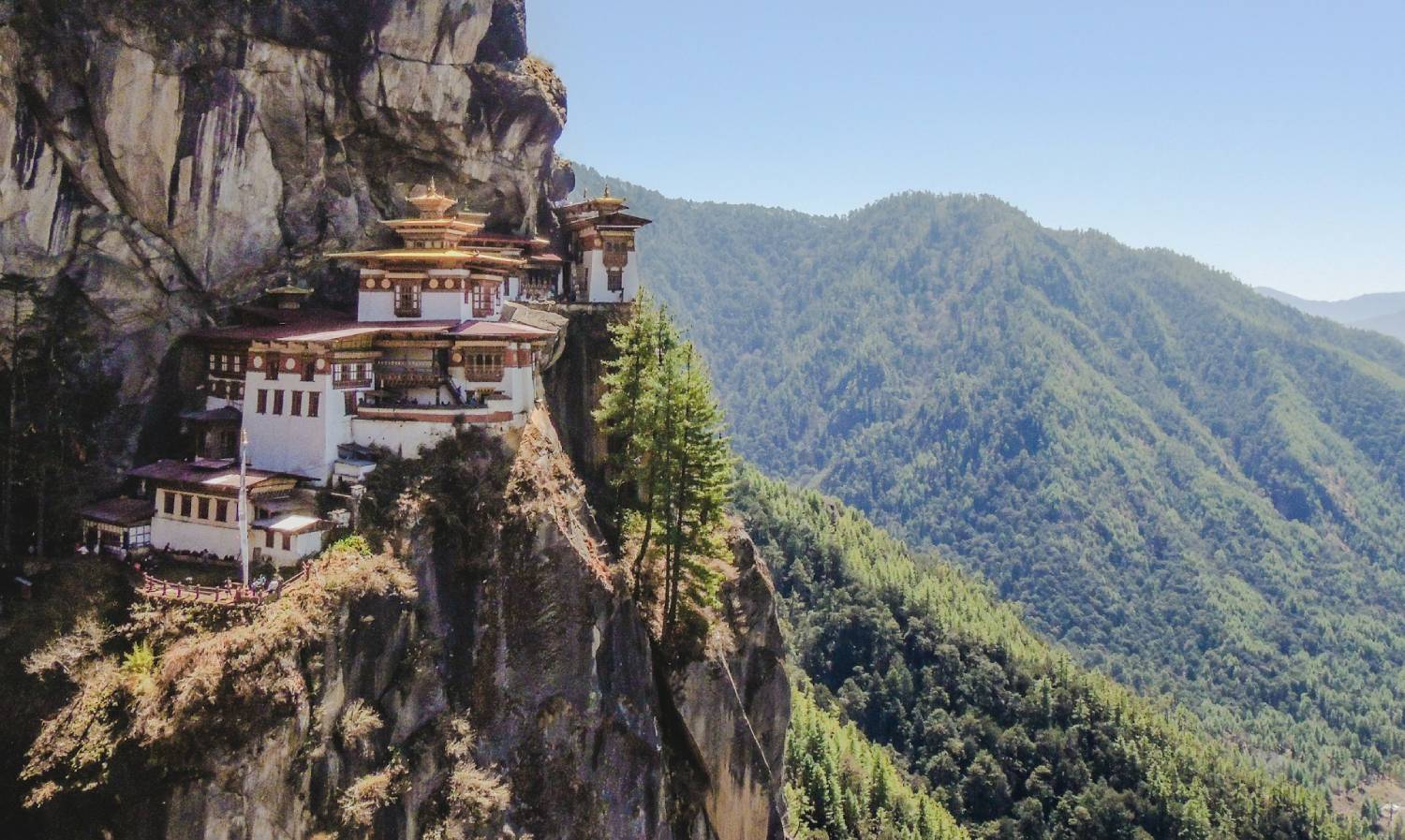
Perched high on a cliff above the Paro Valley, Tiger’s Nest Monastery, officially known as Paro Taktsang, is Bhutan’s best-known landmark. Its dramatic location is part of what makes it so memorable.
Getting to the monastery involves a hike through pine forest, with views opening up across the valley as you climb. The trail can be tiring, so it is better to take your time rather than rush to the top.
The monastery itself consists of several temples and prayer spaces built into the mountainside. Even if you are not particularly interested in architecture or religion, the setting alone makes the journey worthwhile.
What to See: The monastery complex, mountain views, prayer spaces and the forest trail leading up to the site.
How to Get There: The hiking trail begins a short drive from Paro town. From the trailhead, visitors continue on foot to the monastery.
Punakha Dzong
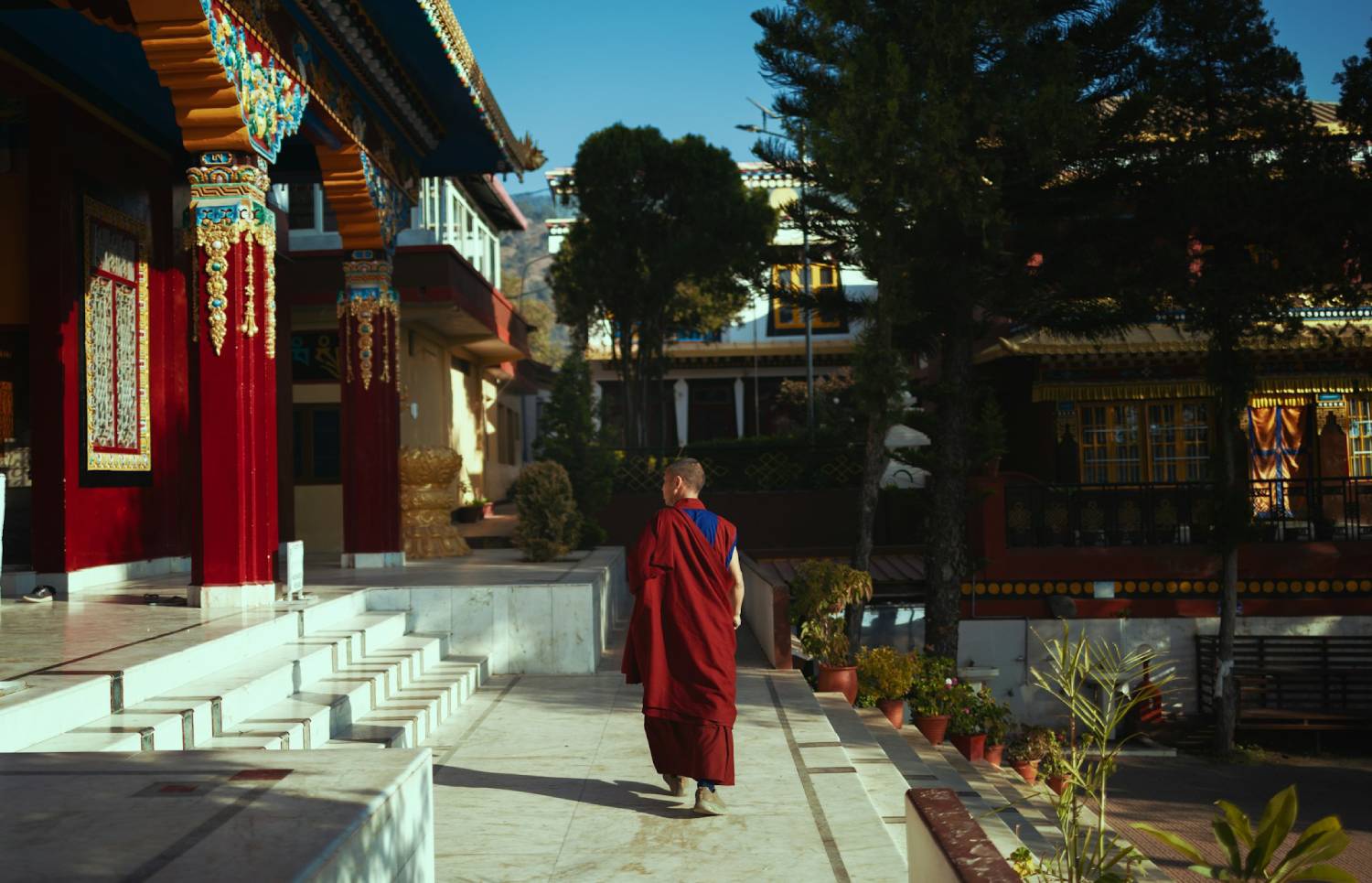
Punakha Dzong sits between the Pho Chhu and Mo Chhu rivers and is one of Bhutan’s most striking examples of traditional architecture.
The white walls, wooden details and surrounding mountains make the dzong particularly impressive. Inside, visitors can walk through courtyards and see traditional religious artwork and architecture.
Punakha itself is also worth exploring. The valley has a warmer climate than many other parts of Bhutan and is known for its green fields and countryside.
What to See: The dzong’s courtyards, temples, traditional architecture and the rivers surrounding the complex.
How to Get There: Punakha is connected to Thimphu by road. The journey usually passes through Dochula Pass.
Dochula Pass
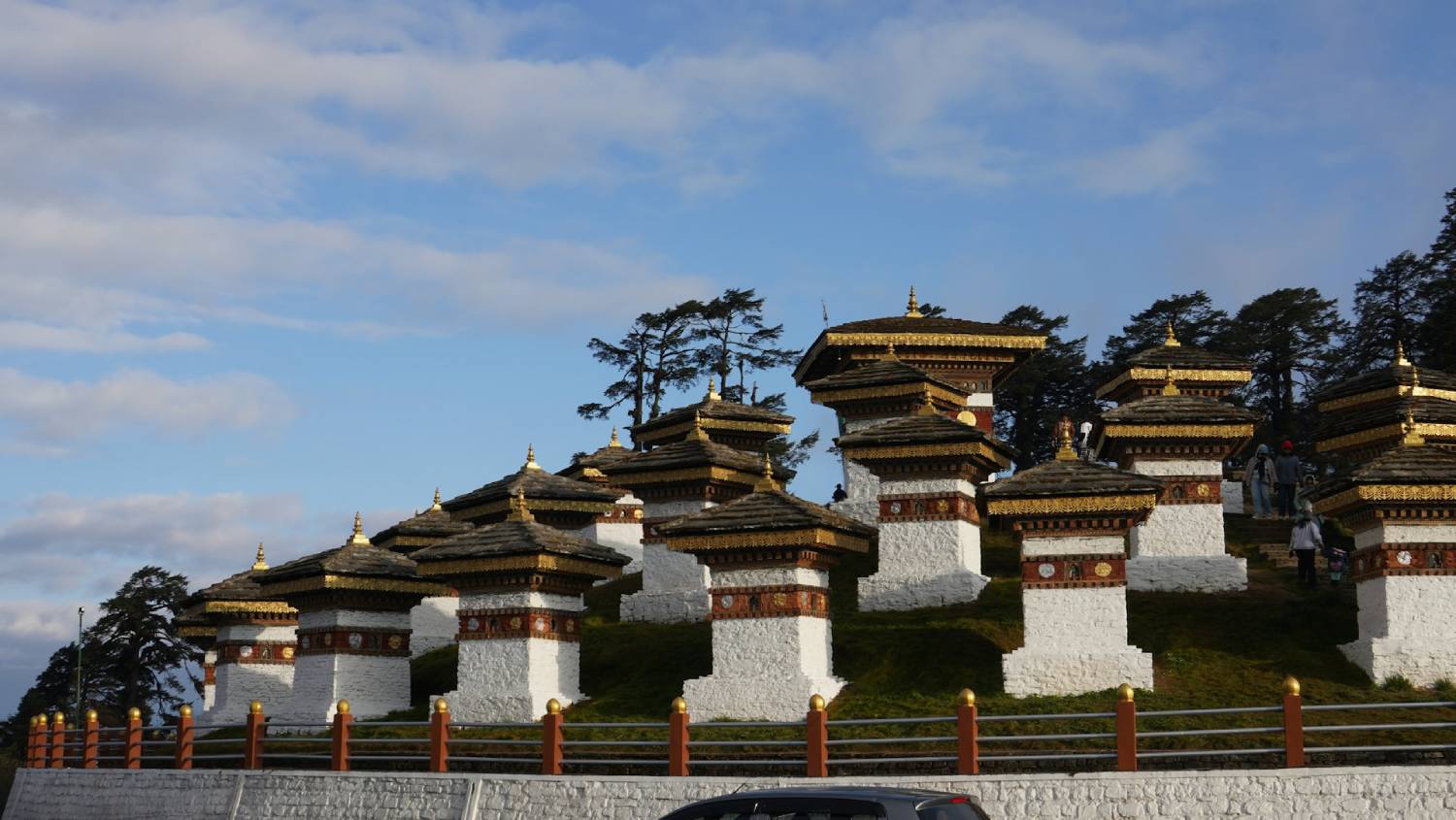
Dochula Pass is one of the most popular stops on the road between Thimphu and Punakha. Sitting high in the mountains, it offers views across the Himalayan landscape when the weather is clear.
The pass is best known for its 108 Druk Wangyal Chortens, which stand together on a hill surrounded by forest. Nearby, the Druk Wangyal Lhakhang adds another cultural landmark to the stop.
Clouds can move in quickly at this altitude, so you may not always get the mountain views you hoped for. Even so, the setting makes Dochula an enjoyable place to stop and take a break during the journey.
What to See: The 108 Druk Wangyal Chortens, Druk Wangyal Lhakhang and the surrounding Himalayan scenery.
How to Get There: Dochula Pass is located on the main road between Thimphu and Punakha and is normally visited as part of a road journey between the two.
Thimphu
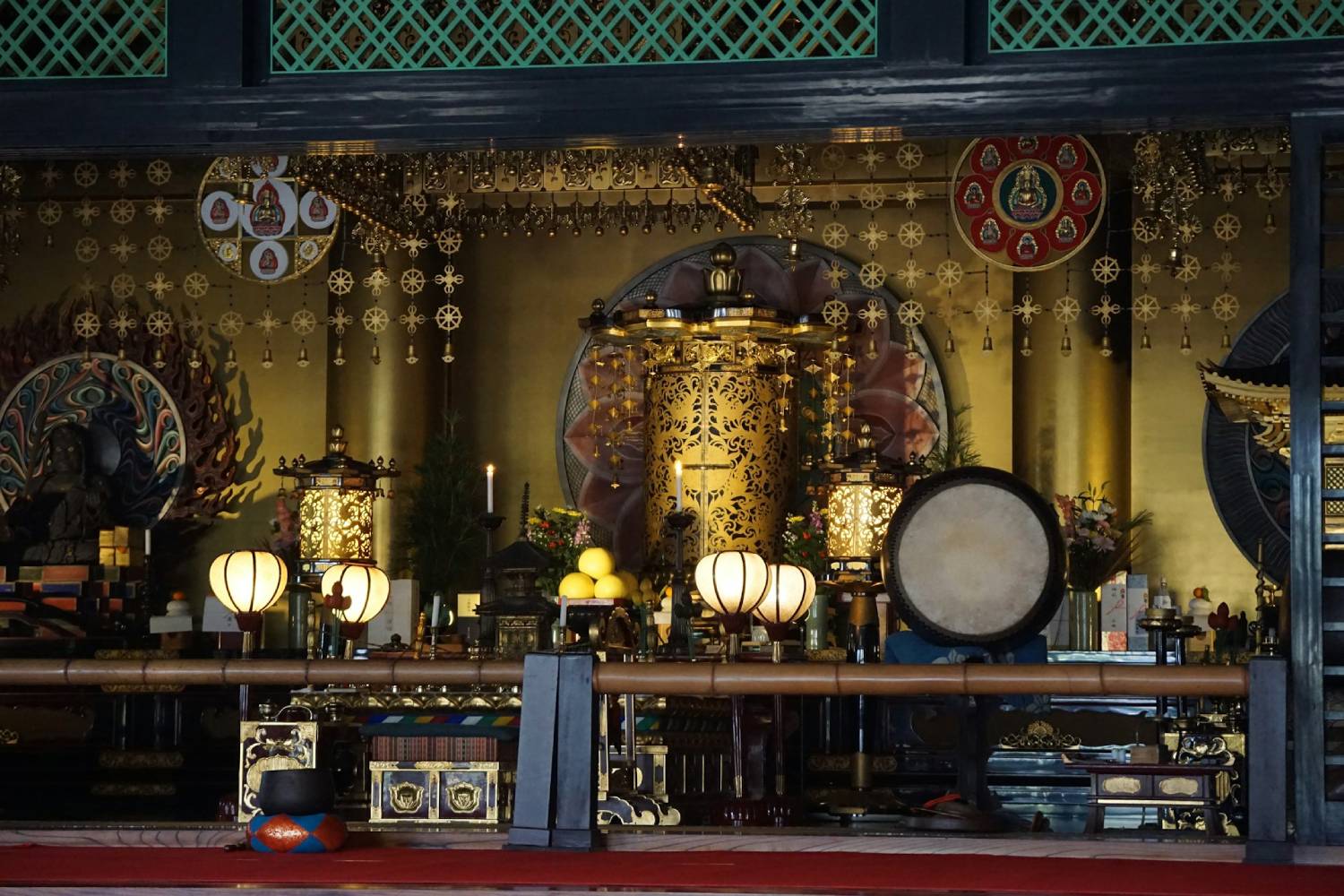
Thimphu is Bhutan’s capital, but it does not feel like a typical busy Asian capital. The city is relatively compact, with traditional buildings, monasteries, markets and modern businesses sharing the same streets.
It is a good place to spend a couple of days getting familiar with Bhutan before heading into the countryside. You can visit cultural attractions, browse local shops and markets, or simply walk around and take in the atmosphere.
Thimphu also gives you a chance to see how Bhutan’s traditional culture fits into modern everyday life.
What to See: Tashichho Dzong, local markets, cultural sites, traditional architecture and viewpoints around the city.
How to Get There: Thimphu is around an hour’s drive from Paro International Airport, depending on road conditions.
Buddha Dordenma
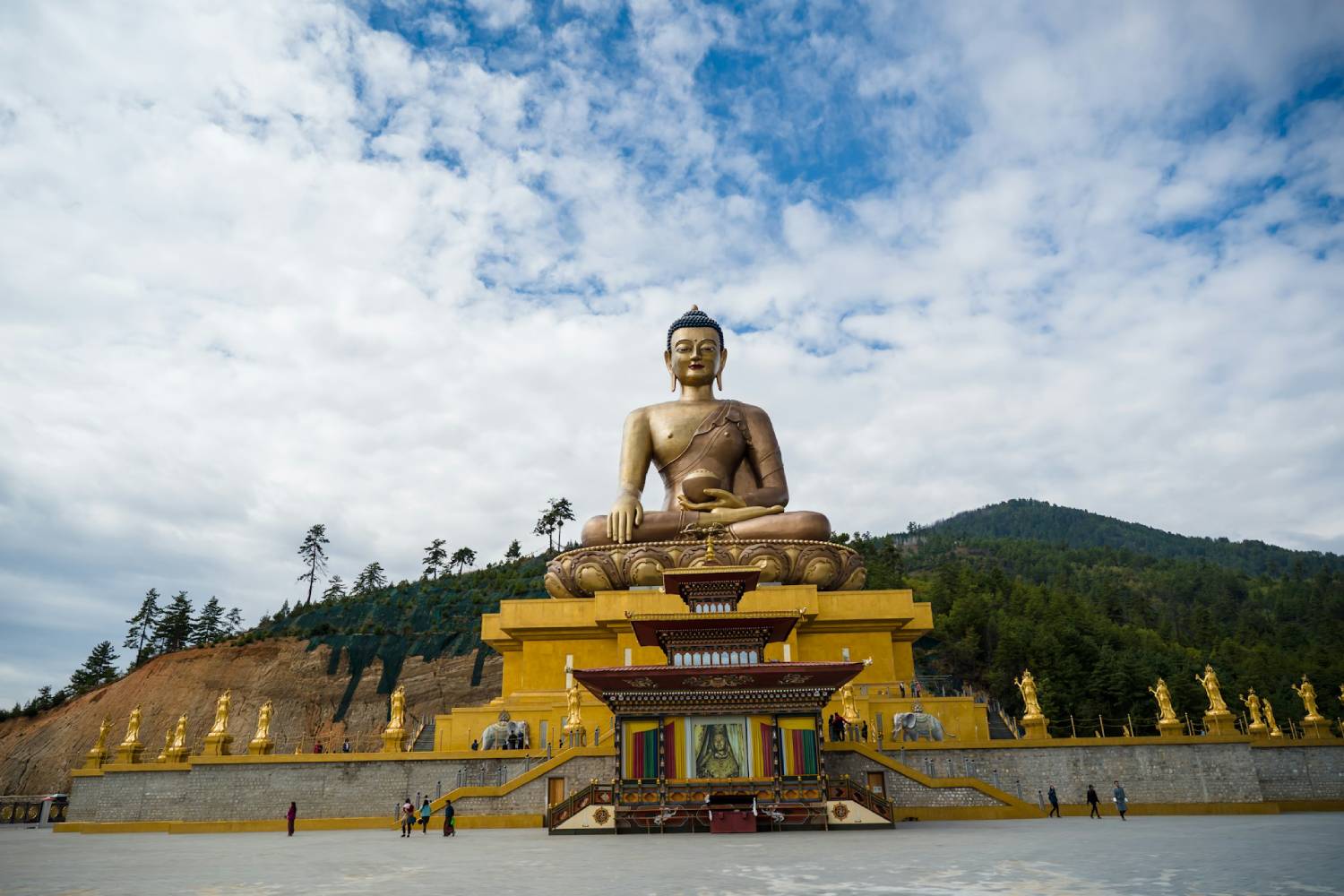
The Buddha Dordenma statue sits on a hill overlooking Thimphu and has become one of the capital’s most recognisable sights.
The large gilded statue can be seen from different parts of the valley, but visiting the site gives you a closer look as well as wide views across the city. The surrounding area is peaceful and makes a pleasant stop while exploring Thimphu.
Inside the statue are thousands of smaller Buddha statues, adding to the significance of the site.
What to See: The Buddha Dordenma statue, the surrounding complex and panoramic views across Thimphu Valley.
How to Get There: The site is located above Thimphu and can be reached by road from the city centre.
Phobjikha Valley
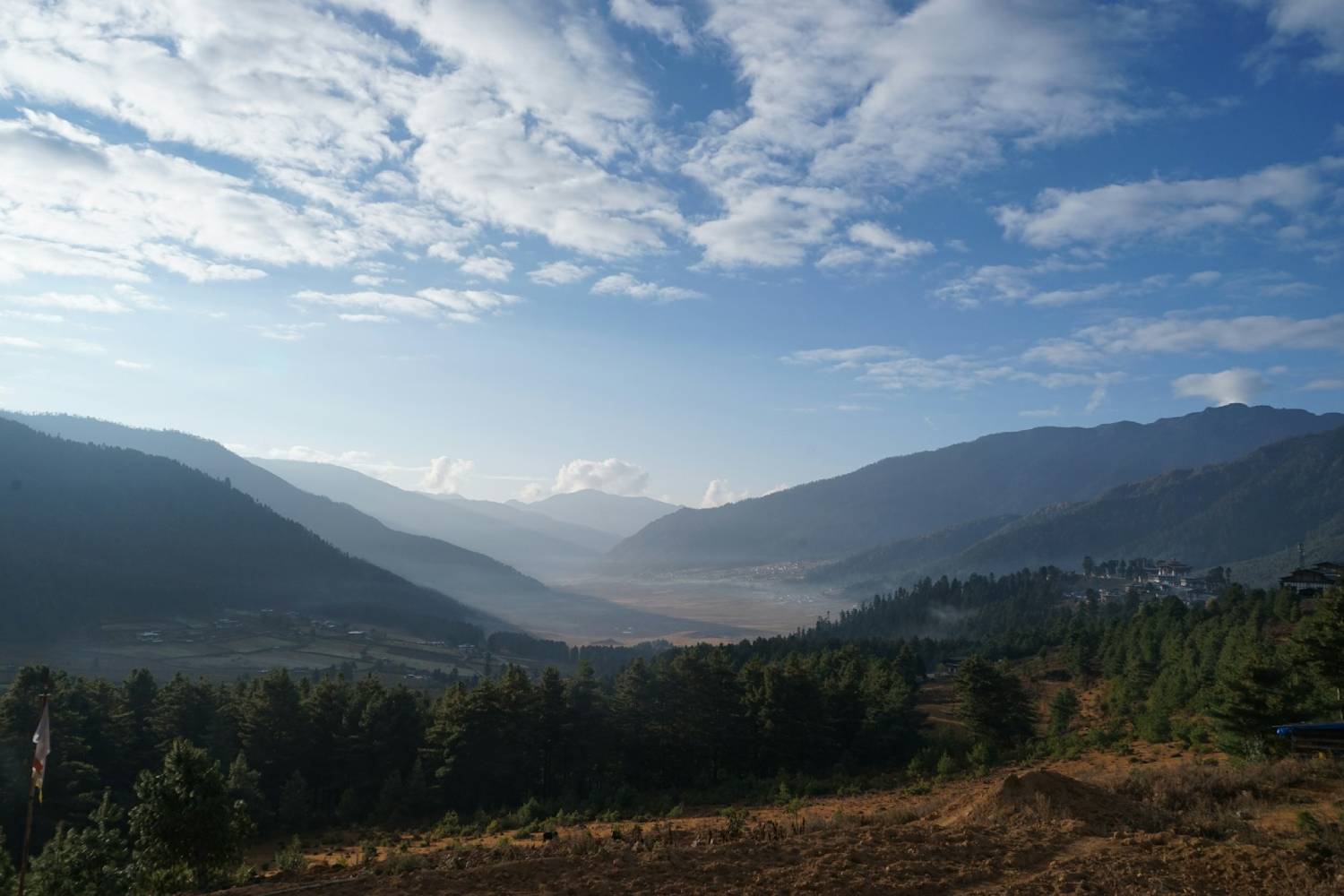
Phobjikha Valley is a good choice if you want to spend some time away from Bhutan’s towns. The landscape is open and peaceful, with mountains surrounding the valley and small settlements spread across the countryside.
The valley is also known for the black-necked cranes that arrive during the winter months. Gangtey Monastery is another important place to visit nearby.
Walking through the valley is one of the simplest ways to enjoy it. There is no need to fill every hour with activities; the scenery is a big part of the attraction.
What to See: Gangtey Monastery, the valley’s countryside and black-necked cranes during the winter season.
How to Get There: Phobjikha Valley is reached by road from western Bhutan, with the journey usually taking several hours depending on the starting point and road conditions.
Paro Valley
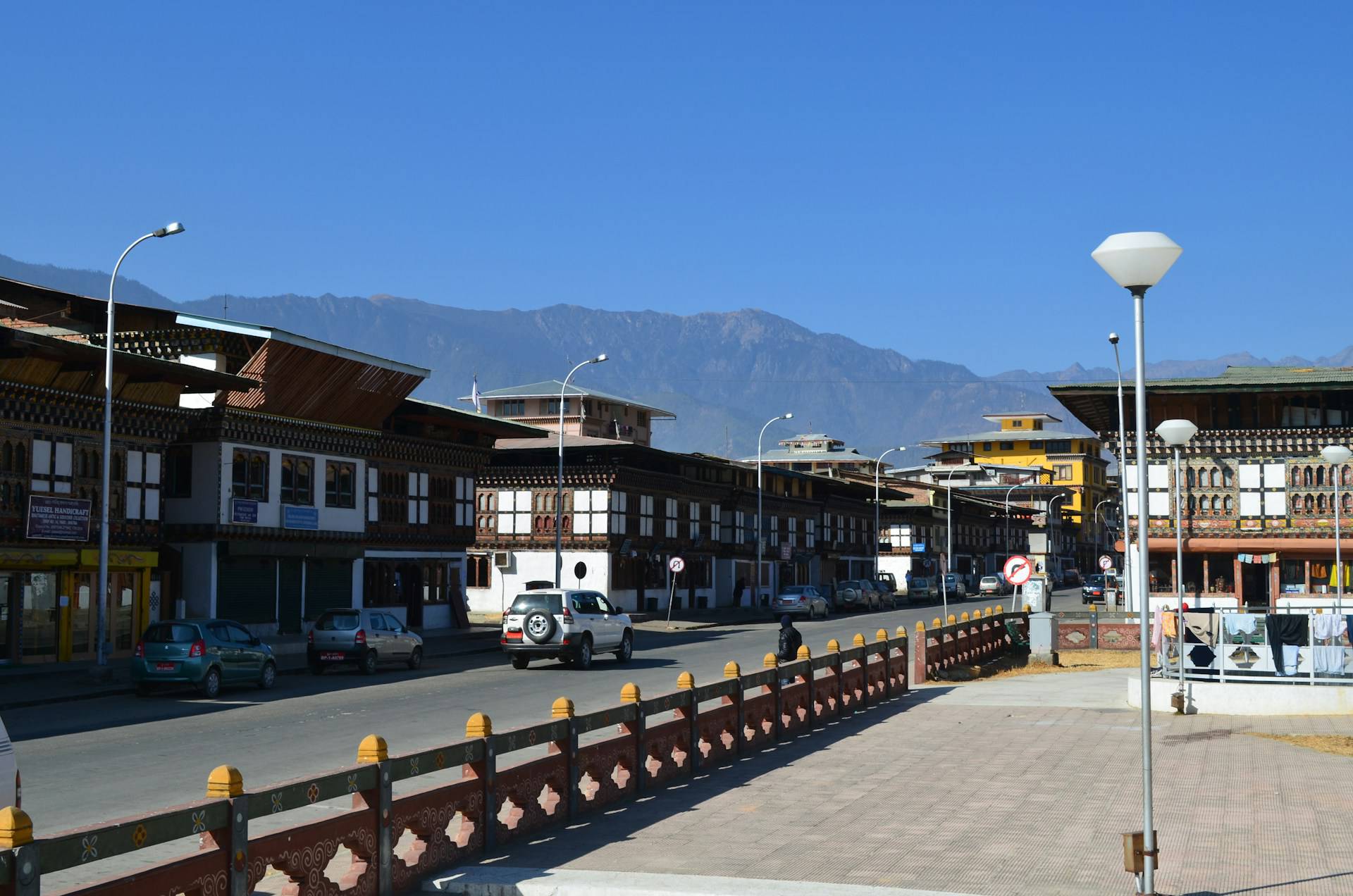
Paro is often the first place international visitors see in Bhutan because the country’s main international airport is located here. But it deserves more attention than simply being a starting point.
The valley is surrounded by mountains and dotted with traditional homes, farmland and historic buildings. Rinpung Dzong is one of the main sights in the area, while the town itself is easy to explore at a relaxed pace.
Paro also works well as a base for visiting Tiger’s Nest and other nearby attractions.
What to See: Rinpung Dzong, traditional Bhutanese buildings, local shops and the countryside surrounding the valley.
How to Get There: Paro is home to Paro International Airport. Visitors arriving by air can reach the town and nearby attractions by road.
Bumthang
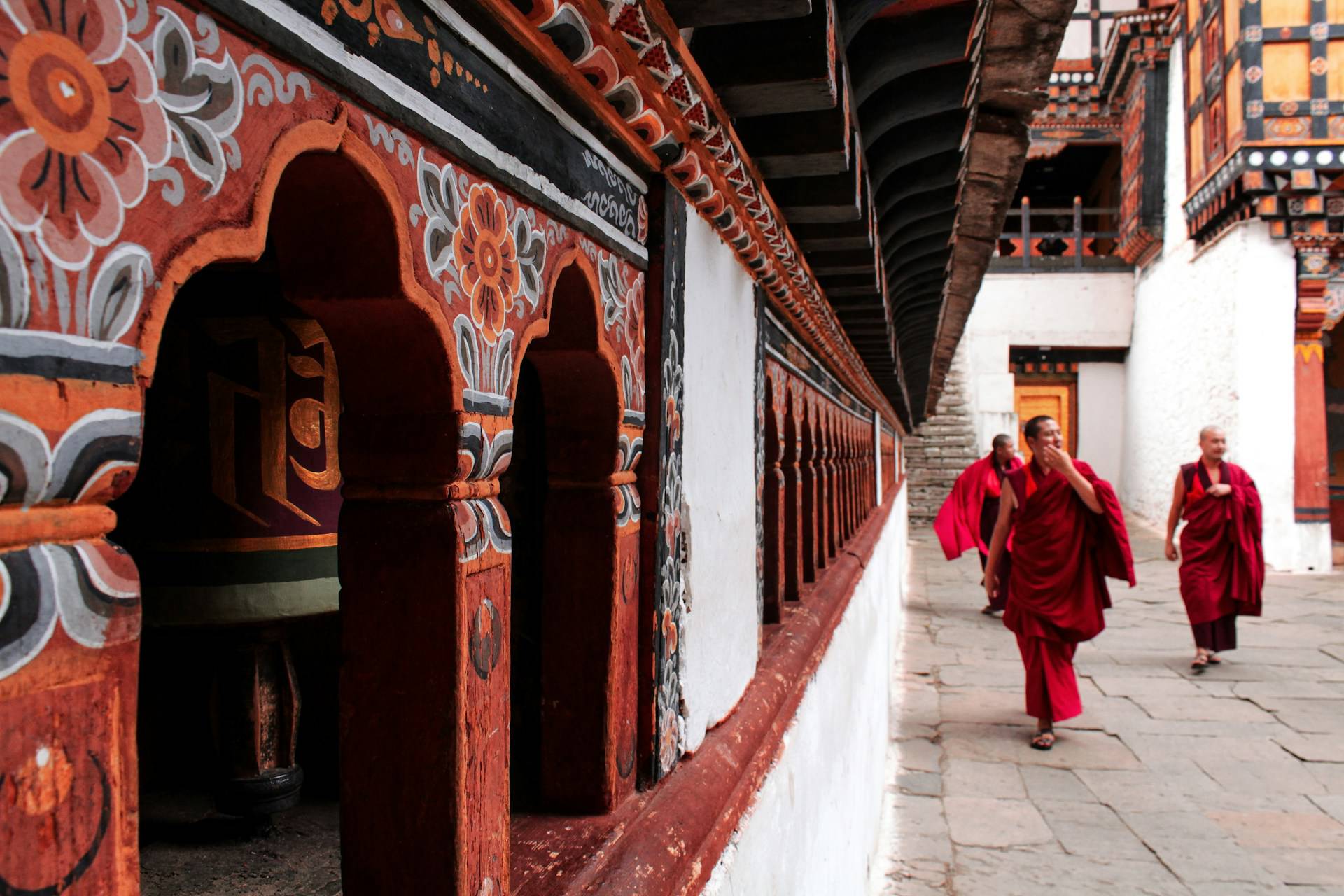
Bumthang is a region made up of several valleys rather than one single attraction. It is known for its monasteries, temples, farmland and strong links to Bhutan’s Buddhist traditions.
The journey to Bumthang takes longer than travelling between the main western destinations, but that is part of its appeal. The area feels quieter and gives visitors more time to see rural Bhutan.
You can visit historic religious sites, walk around villages and enjoy the changing mountain landscapes along the way.
What to See: Historic temples and monasteries, traditional villages, farmland and the surrounding valleys.
How to Get There: Bumthang can be reached by road from central Bhutan. There are also domestic flights to Bathpalathang Airport near Jakar, depending on current flight schedules.
When Is the Best Time to Visit Bhutan?
Bhutan can be visited throughout much of the year, but the experience changes with the seasons.
March to May brings spring weather, green landscapes and flowers. It is a good time for sightseeing, hiking and enjoying the countryside.
September to November is another popular period. The weather is generally pleasant, and clear days can provide excellent mountain views.
December to February is colder, especially in higher areas, but winter has its own appeal. The skies can be clear, and Phobjikha Valley becomes a destination for visitors hoping to see black-necked cranes.
June to August is the monsoon season, so rain can affect road journeys and visibility in the mountains.
If hiking and mountain views are your priorities, spring and autumn are usually the easiest seasons to plan around.
How to Get to Bhutan
For international travellers, flying into Paro International Airport is the main option. Bhutan has international air connections with selected cities in South and Southeast Asia, although routes and schedules can change.
Travellers from India also have the option of entering Bhutan by road through designated border points, including Phuentsholing, Gelephu, Samdrup Jongkhar and Samtse.
Once you arrive, travelling between Bhutan’s towns and valleys is mainly done by road. Visitors generally arrange transportation with a driver or through a tour operator rather than renting a vehicle for self-drive travel.
It is important to check the latest entry requirements, visa information and Sustainable Development Fee before travelling, as Bhutan’s regulations can change.
What to Know Before You Go
Bhutan has its own approach to tourism, and a little preparation can make the trip easier.
Visitors should dress respectfully when entering monasteries, dzongs and other religious sites. Comfortable shoes are also useful because many attractions involve walking or hiking.
Mountain weather can change quickly, so packing layers is a good idea. If you are planning to visit places at higher elevations, allow yourself some time to adjust.
It is also worth keeping your itinerary realistic. Road journeys can take longer than expected because of the mountainous terrain, so trying to fit too many destinations into a short trip can leave little time to actually enjoy them.
Bhutan Is Best Explored at Its Own Pace
Bhutan’s famous landmarks are certainly worth seeing, but the country is not a destination where you need to rush from one attraction to another.
Tiger’s Nest gives you the dramatic mountain experience, Punakha shows off Bhutanese architecture, and places such as Phobjikha and Haa Valley offer a quieter look at life in the country. Thimphu brings together tradition and modern life, while destinations such as Trongsa and Bumthang reward those who have more time to travel further.
Give yourself room between the major sights. Some of the best parts of a Bhutan trip can happen on the road, in a small village, or simply while looking out across the mountains.