“Dentistry is not just about treatment, it’s about creating awareness and long-term impact.”
But as Dr. Karishma Vijan reveals, the real shift began when she recognised a deeper truth “What I saw wasn’t just a pattern, it was a gap in women’s healthcare.”
Through her work, she is building a focused space for women’s oral health, turning research into awareness, and shaping systems that create lasting, meaningful impact.
Can you introduce yourself and tell us a bit about what you do today?
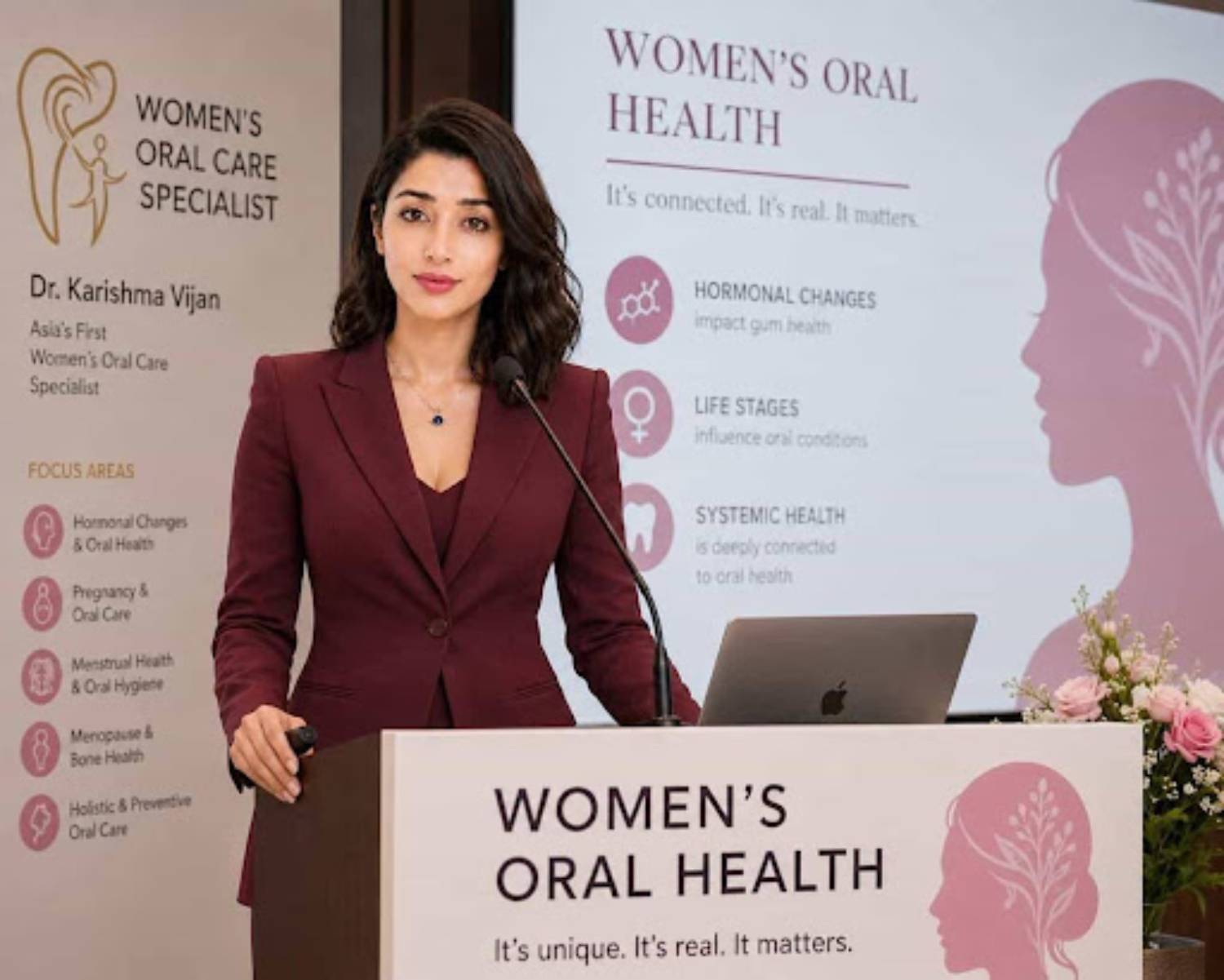
I am Dr. Karishma Vijan, Asia’s first Women’s Oral Care Specialist and among the first globally to build a dedicated focus in women oral care space.
With over 15 years of experience in dentistry, my work today goes far beyond clinical practice. I work at the intersection of women’s oral health, research, authorship, and healthcare innovation.
Alongside my practice, I am actively involved in building frameworks and initiatives that address the unique connection between women’s biology and oral health. A crucial aspect of my work, which is often overlooked, is understanding how to translate research into meaningful financial outcomes, ensuring that innovation is not only created but also sustained, scaled, and valued.
For me, dentistry today is not just about treatment, it is about creating awareness, building systems, and driving long-term impact in women’s healthcare.
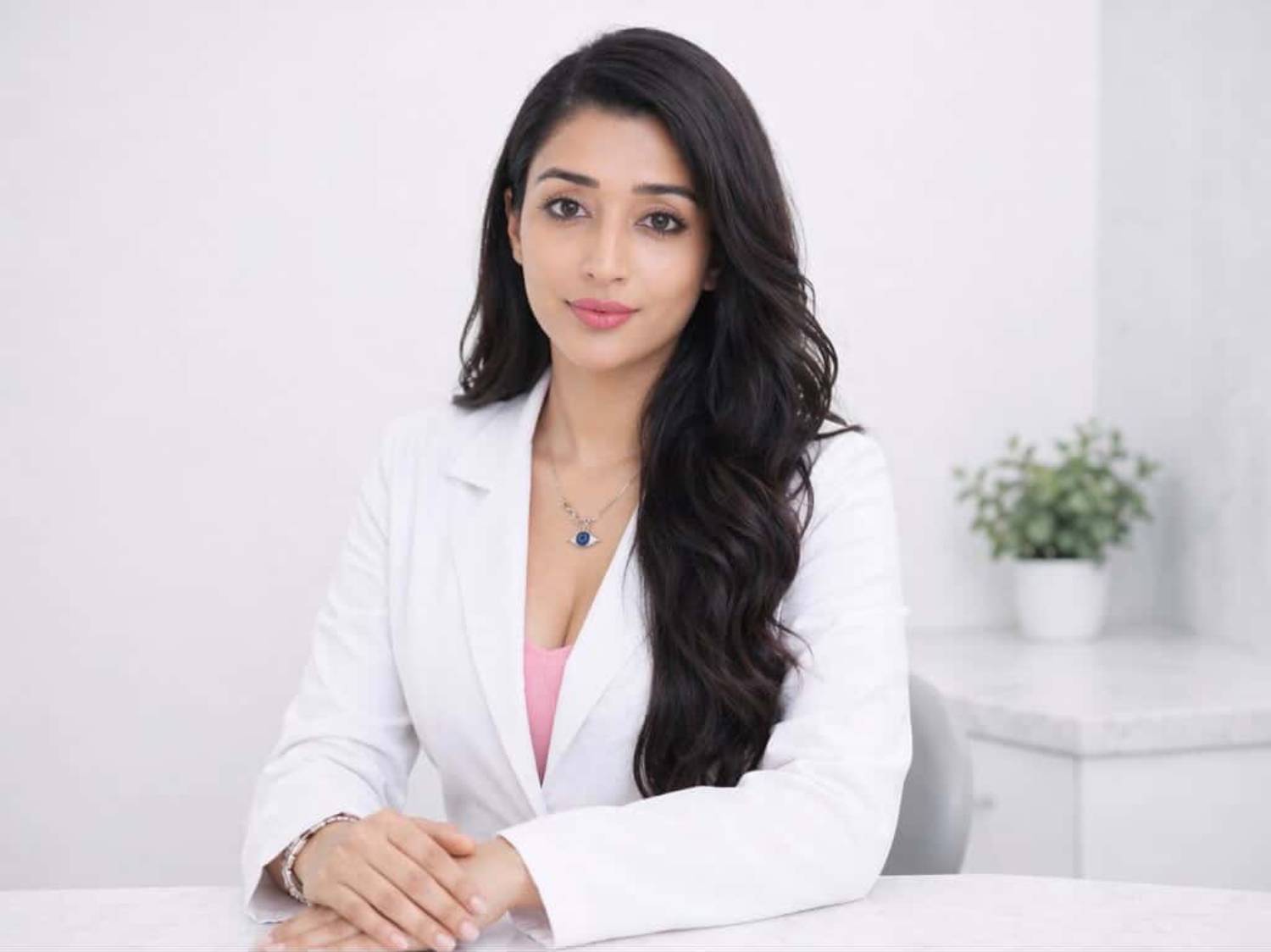
What first inspired you to become a dental surgeon?
I come from a strong science-oriented background, with both my parents being from the field of science, which naturally influenced my inclination towards healthcare.
Dentistry felt like a very organic choice. What drew me to it was not just the science, but the human connection it offers.
It is one of the most personal forms of healthcare you spend time with patients, understand their lives, and they often open up in ways they may not elsewhere. I have always enjoyed helping people, and this profession allows me to do that in a very direct and meaningful way.
For me, a patient is never just a case it is always a person, with a story, a lifestyle, and a larger context of health. Dentistry, when understood deeply, is not limited to teeth it is connected to the entire body and overall wellbeing.
At what point did you start noticing the link between women’s health and oral care?
This realization came through years of clinical observation, but it became much sharper after my time at The University of Manchester.
When I returned from the UK, I already had a large base of women patients. However, with a more research-oriented mindset, I began to notice clear patterns.
I observed how hormonal changes, different life stages, and systemic conditions in women were directly impacting their oral health. Whether during pregnancy, menstrual cycles, or other hormonal transitions, there was a consistent and visible connection.
At the same time, these links were not being actively addressed in mainstream dental care. That’s when I realized that this was not just an observation, it was a significant gap.

How did that observation change the direction of your work?
It completely shifted the direction of my work.
While I continued my clinical practice, I began building a focused vertical around Women’s Oral Care especially during the COVID-19 period, which became a phase of deep reflection and creation.
This led to research, writing, and the development of structured frameworks. I authored Guide to Oral Care for Women along with a team of female doctors. The book was launched and recognized at Raj Bhavan Mumbai, making it one of the first of its kind in India.
This phase required deeper research connecting clinical findings with women’s biology and building frameworks specifically tailored to female health.
For example, a common myth is that women lose calcium or teeth during pregnancy. In reality, tooth loss is often linked to untreated gum health issues, which can be effectively managed with timely care.
This shift allowed me to move from general dentistry to a specialized, research-backed approach in women’s oral health.
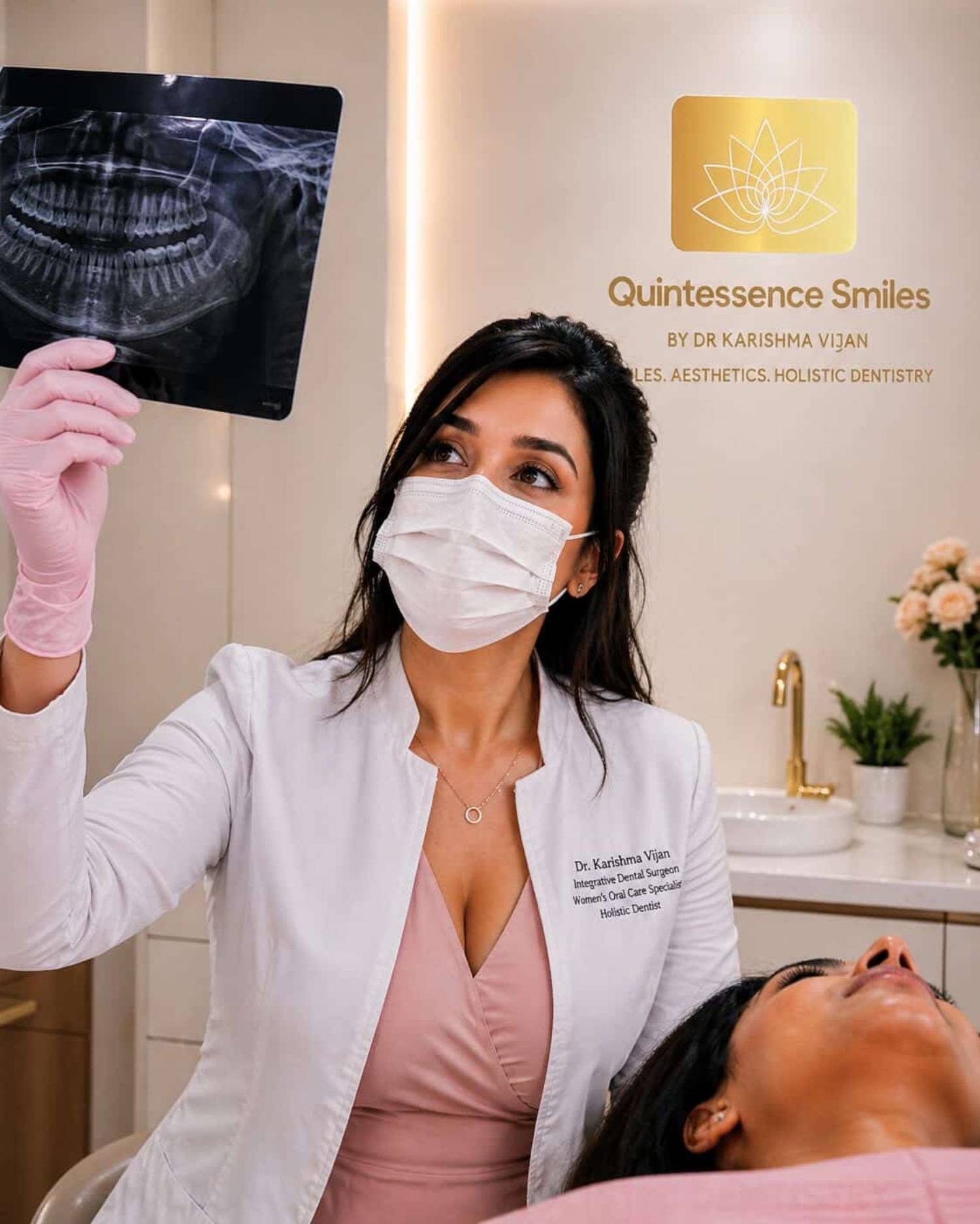
What role did your time at the University of Manchester play in shaping your journey?
My time at The University of Manchester played a significant role in shaping my thinking and research focus.
It gave me a strong foundation in critical analysis, research methodology, and evidence-based practice. More importantly, it shifted my perspective from simply applying existing knowledge to actively questioning, exploring, and contributing to it.
That phase became the groundwork for everything I have built since from my research publications to my purpose in creating structured, women-centric healthcare frameworks.
How did it feel to have your research published in the British Dental Journal?
It was a defining moment.
At the time I was learning research, I never imagined that my work would be published in a journal like the British Dental Journal. After nearly a decade in dentistry, this milestone felt both validating and grounding.
However, it also shifted my mindset. I realized that publication is not the end, it is just the beginning.
The real journey lies in translating knowledge into real-world impact, and importantly, building sustainable and financially viable models, especially in women’s healthcare.
What were some of the early challenges you faced while building this niche space in women’s oral health?
One of the biggest challenges was that this space did not have a clearly defined category.
When building something new, awareness comes before acceptance. People first need to understand the concept before they recognize its depth and long-term impact.
Women’s oral health is not just about immediate care, it has generational implications. Communicating this required patience, consistency, and clarity.
Building from scratch while creating awareness required resilience, strategic planning, and a strong long-term vision.
It also taught me the importance of being patient with the process and compassionate toward myself while building something meaningful.
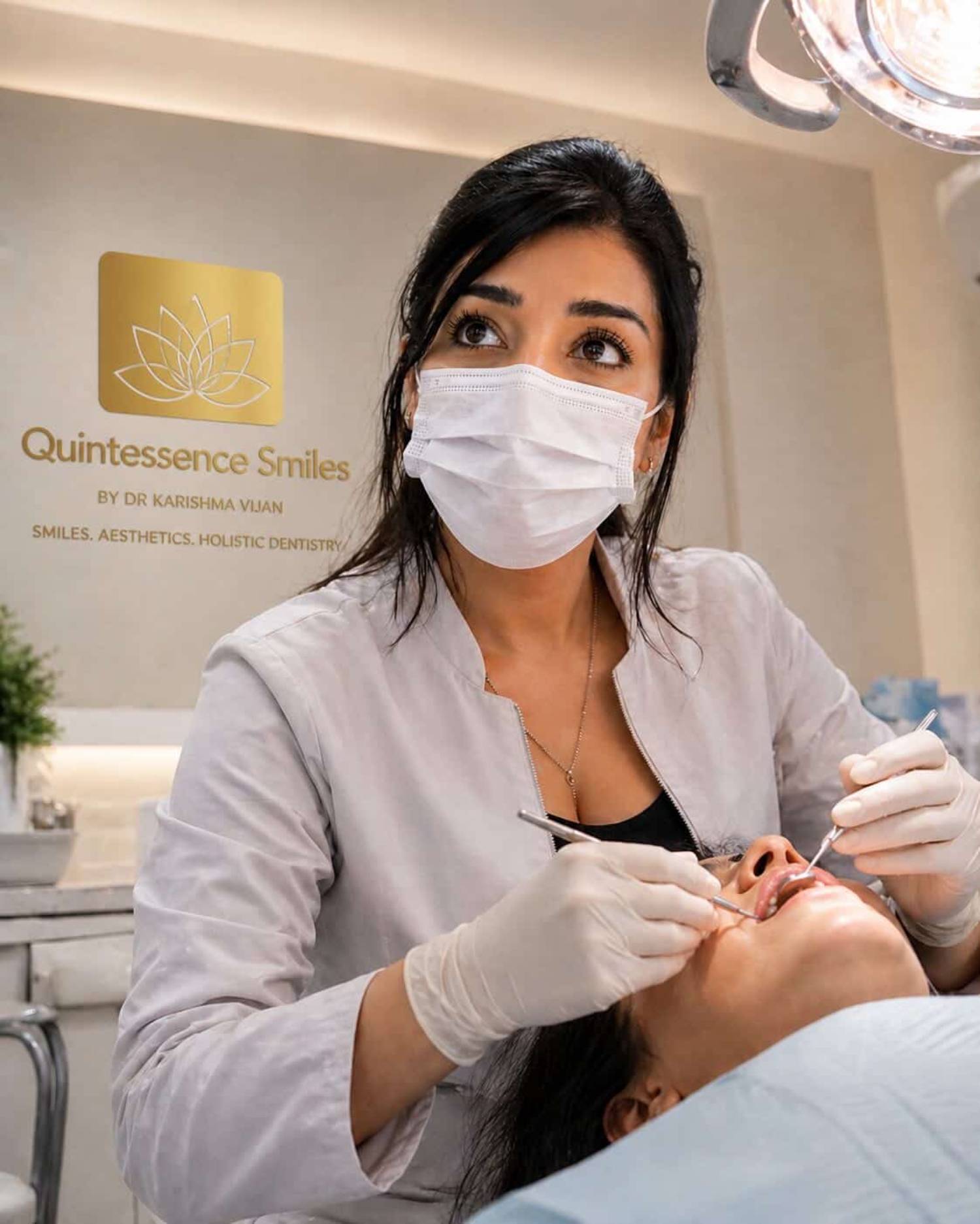
As a woman innovating in healthcare, what kind of barriers or mindset gaps did you have to deal with?
One of the key challenges was the lack of emphasis on business and financial understanding within healthcare for women.
There is often an underlying perception that women may not be taken as seriously in business or innovation spaces, and I experienced this both personally and professionally.
Another critical factor is the Matilda Effect, where women’s contributions in science and innovation are often overlooked or attributed elsewhere.
This made it essential for me to not only create but also protect my work. I became intentional about:
Strong documentation
Non-disclosure agreements (NDAs)
Confidentiality and non-compete structures
These are not optional, they are foundational.
When building something innovative, especially with limited resources, protecting your ideas ensures they are nurtured and scaled correctly.
How did you move from only clinical practice into writing, research, and entrepreneurship?
It was a natural evolution.
As I began observing patterns in clinical practice, I felt the need to document, explore, and expand beyond treatment. This led me into research and writing, especially after learning research skills at University of Manchester , I was more confident with the same!
Entrepreneurship followed as a way to scale impact, moving from individual patient care to building systems and frameworks that reach a larger audience.
How do you manage your day when you are balancing patients, research, and business work?
Managing multiple roles requires both structure and flexibility.
I rely on structured journaling and predefined templates that divide my day into clear segments, morning, afternoon, and evening. This helps me align daily actions with weekly, monthly, and long-term goals.
I work with intentional time blocks and defined priorities, while also allowing space when needed.
For me, it is not about perfection, it is about using time consciously and maintaining clarity.
Outside of work, what helps you stay calm and grounded in your routine?
I have consciously built routines that support both mental and physical balance.
Practices like mindfulness, gratitude, and breathwork, sleep hygiene helps me stay centered. Alongside that, fitness especially strength training is a non-negotiable part of my routine so is rest.
These practices help me maintain clarity, energy, and consistency.
What is your long-term vision for women’s oral health and where do you see your work going next?
My long-term vision is to build a global movement around women’s oral health.
I want this space to become more structured, more researched, and more integrated into mainstream healthcare. There is a strong need for awareness, accessibility, financial pooling, and specialized care that considers women’s biology.
Moving forward, my focus is on scaling this work through innovation, education, and building systems that create long-term, sustainable impact.