
We all have days when we feel low, irritated, overwhelmed or unusually energetic. Sometimes it is stress, lack of sleep, hormones, work, relationships or simply having a bad day. But when significant changes in mood start affecting everyday life, relationships, work or the way someone sees themselves, it may be more than a passing phase.
Mood disorders are mental health conditions that affect a person’s emotional state over a longer period of time. They can influence how someone feels, thinks, behaves and functions day to day. And despite how common mental health conversations have become, there is still plenty of confusion around what mood disorders actually look like.
One of the biggest misconceptions is that someone can simply “snap out of it”. Another is that mood disorders are just extreme mood swings. Neither tells the full story.
So, What Exactly Is a Mood Disorder?
Mood disorders are a group of mental health conditions where emotional states become persistent, intense or disruptive enough to interfere with daily life.
They can involve prolonged periods of sadness or loss of interest, episodes of unusually elevated or irritable mood, or shifts between different emotional states.
Conditions commonly discussed under the mood-disorder umbrella include depression and bipolar disorder, although there are different diagnoses and experiences within these categories.
Importantly, experiencing sadness, stress or occasional mood changes does not automatically mean someone has a mood disorder. Mental health diagnoses involve patterns of symptoms, their duration, severity and their impact on a person’s life.
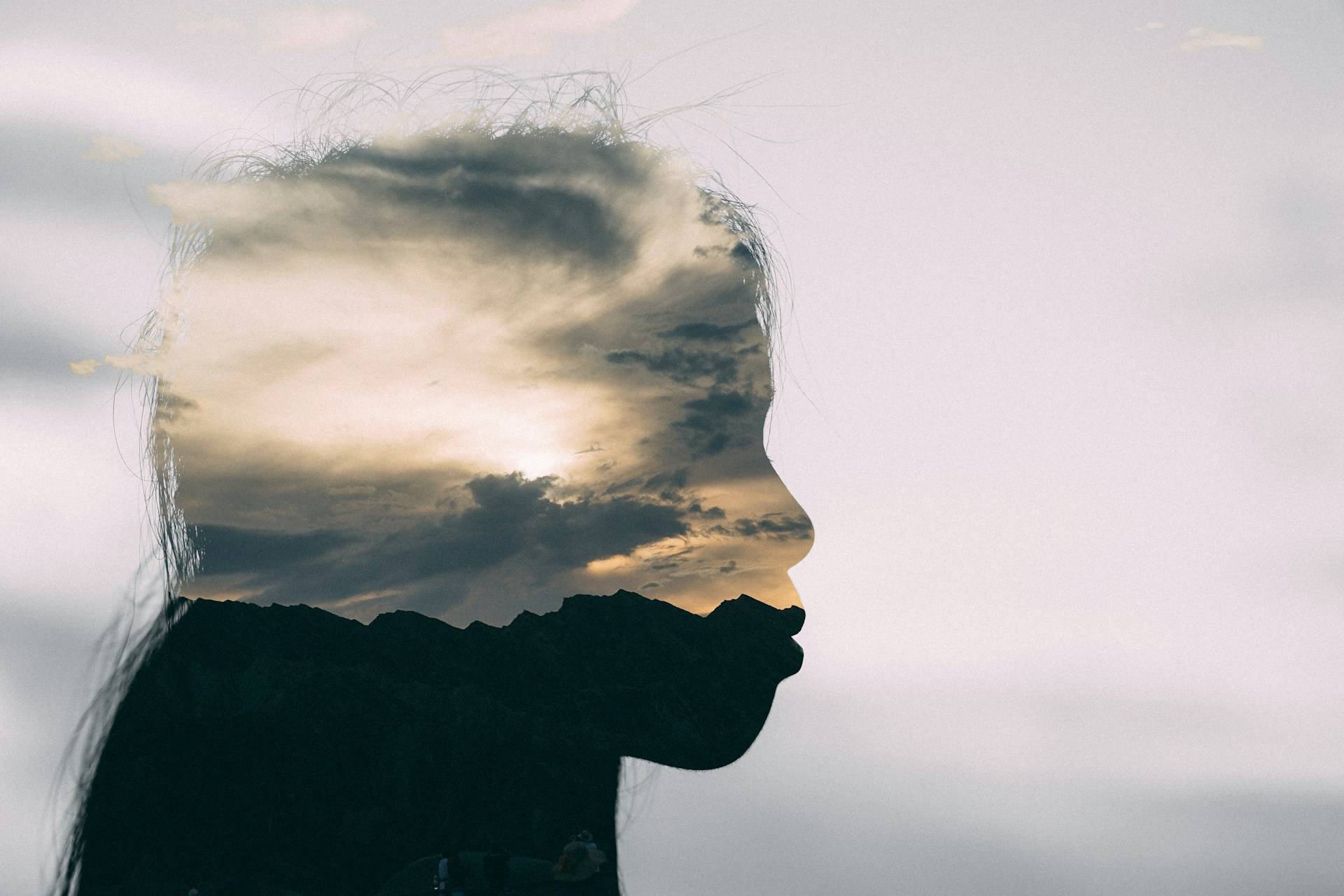
It’s Not Always Obvious From the Outside
Someone struggling with their mental health may still be going to work, meeting friends, posting online, studying, exercising and seemingly doing everything as usual.
That is one reason conversations around mood disorders matter.
A person can look completely fine and still be having a difficult time internally. They may also become very good at hiding what they are experiencing because they don’t want to worry others, be judged or constantly explain themselves.
Sometimes the signs are subtle: losing interest in things that once felt exciting, withdrawing from people, struggling to concentrate, feeling unusually hopeless or experiencing significant changes in sleep or energy.
Other times, changes can be much more noticeable.
The important thing is that there isn’t one universal way for a mood disorder to look.
Mood Swings Aren’t the Same Thing
The phrase “mood swing” gets used casually all the time.
You had a stressful morning and snapped at someone? Mood swing.
You were excited and then suddenly tired? Mood swing.
You changed your mind about your weekend plans? Mood swing.
But clinical mood episodes are different from everyday emotional fluctuations.
Normal emotions respond to what is happening around us. Mood disorders involve patterns that can be more persistent, intense or disruptive and aren’t always explained by a particular situation.
That distinction matters because casually labelling every emotional change as a disorder can be just as unhelpful as dismissing genuine symptoms as “just a phase”.
Why Do Mood Disorders Happen?
There isn’t always one simple answer.
Mental health is influenced by a combination of biological, psychological and social factors. Genetics, brain chemistry, life experiences, trauma, stress, sleep, physical health and other circumstances can all play a role.
For some people, symptoms may appear after a particularly difficult period. For others, there may not be an obvious trigger at all.
And that’s worth remembering: you don’t have to have a dramatic reason to deserve support.

The Gender Conversation Matters Too
Women and other marginalised groups can sometimes face additional expectations around how they are “supposed” to behave emotionally.
Be calm, but not distant.
Be ambitious, but not intimidating.
Be emotional, but not “too emotional”.
Be strong, but don’t become difficult.
These expectations can make it harder to recognise when someone genuinely needs help. Mental health symptoms can also be misunderstood or attributed entirely to personality, stress or life circumstances.
This doesn’t mean every emotional experience is a mental health condition. It simply means that listening without immediately judging can make an important difference.
The Stigma Is Still Real
Mental health conversations have become much more visible, especially among younger generations, but stigma hasn’t disappeared.
People may worry about being labelled, treated differently or seen as unreliable. Some may fear that talking about their mental health will affect their relationships, careers or how others perceive them.
Others have grown up hearing things like:
“Everyone feels like that.”
“You just need to think positively.”
“Stop overthinking.”
“You have nothing to be sad about.”
Sometimes these comments come from people who genuinely don’t know what to say. But good intentions don’t necessarily make dismissive comments helpful.
Listening without judgement is often a better place to start.
Getting Help Isn’t a Weakness
There is no prize for struggling alone.
If changes in mood are persistent, becoming difficult to manage or affecting everyday life, speaking with a qualified mental health professional can be a useful step.
Depending on the individual and diagnosis, treatment may involve talking therapies, medication, lifestyle changes, or a combination of approaches. Treatment is personal, and what works for one person may not be appropriate for another.
A diagnosis also doesn’t define someone’s entire identity.
It is one part of someone’s experience not the whole person.
How Can You Support Someone?
You don’t need to become their therapist to be there for them.
Sometimes support can look like simply saying:
“I’m here if you want to talk.”
You can listen without immediately trying to solve the problem. You can check in regularly. You can encourage professional support when appropriate. And you can avoid turning their experience into gossip or judgement.
Most importantly, take what they tell you seriously.
You may not fully understand what someone is experiencing, but you can still choose to believe that their experience is real.

Let’s Stop Calling Everything “Just a Phase”
Not every difficult emotion is a mental health disorder. But not every difficult emotional experience should be dismissed either.
That is perhaps the most important distinction.
Being sad doesn’t automatically mean depression. Having a stressful week doesn’t mean you have a mood disorder. Feeling energetic doesn’t automatically mean mania.
At the same time, persistent changes in mood, energy, behaviour or interest that interfere with someone’s life deserve attention rather than dismissal.
Mental health isn’t about finding the perfect label for every emotion. It’s about understanding ourselves better, recognising when something isn’t right and knowing that asking for support is allowed.
So, the next time someone says they’re struggling, maybe we can retire the “it’s just a phase” response.
Sometimes a bad day is simply a bad day.
And sometimes, it’s a sign that someone needs support.
Either way, listening matters.