
What if skin “difference” was never a flaw, but just another form of beauty?
There is something powerful changing in the way we talk about skin today. Not perfect skin, not filtered skin, but real skin. Skin that carries stories, changes, and differences that were once hidden. One of the conditions slowly coming into this wider conversation is vitiligo.
For a long time, vitiligo was misunderstood. People noticed the white patches on the skin but didn’t always know what they meant. Today, that silence is breaking.
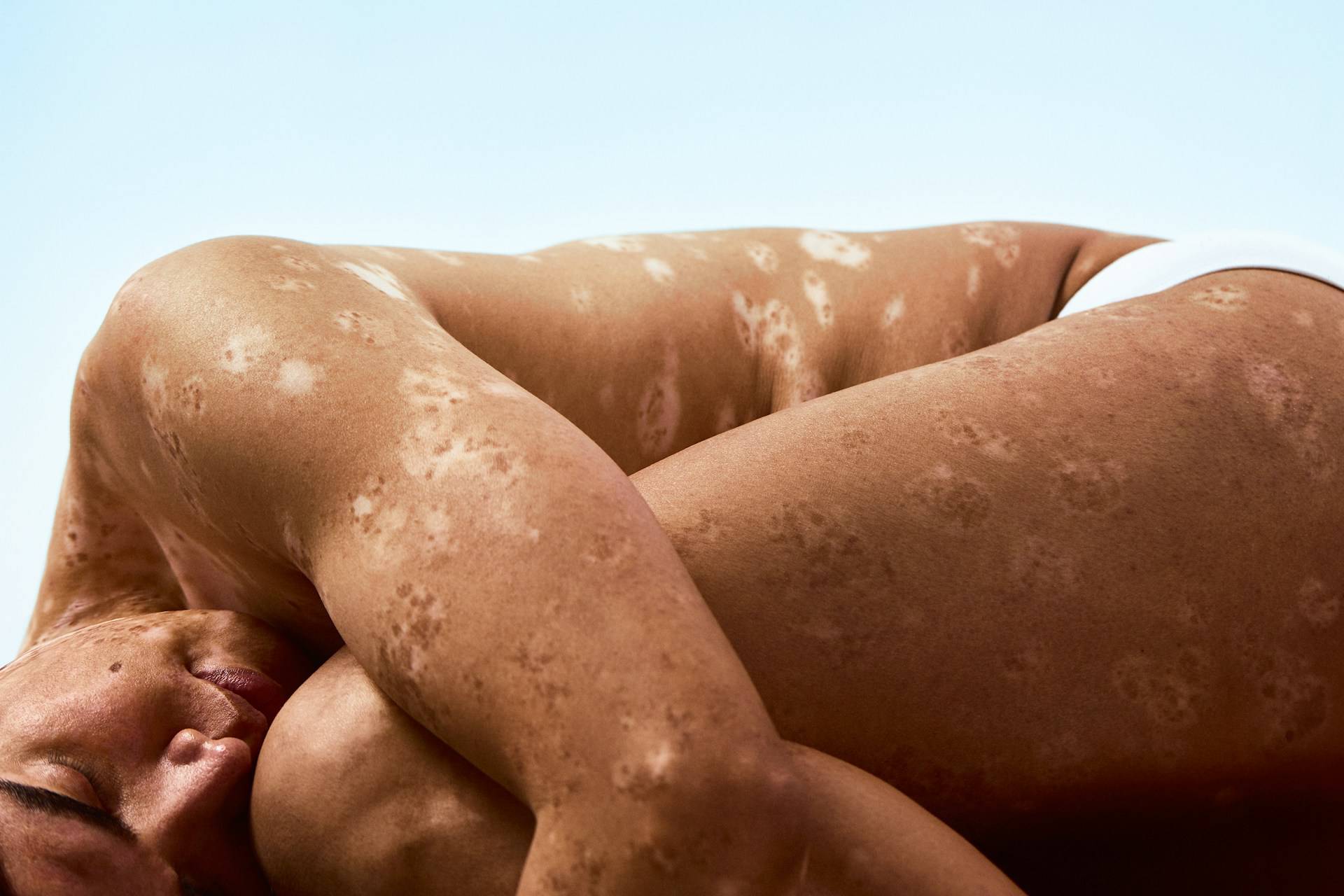
What vitiligo really is
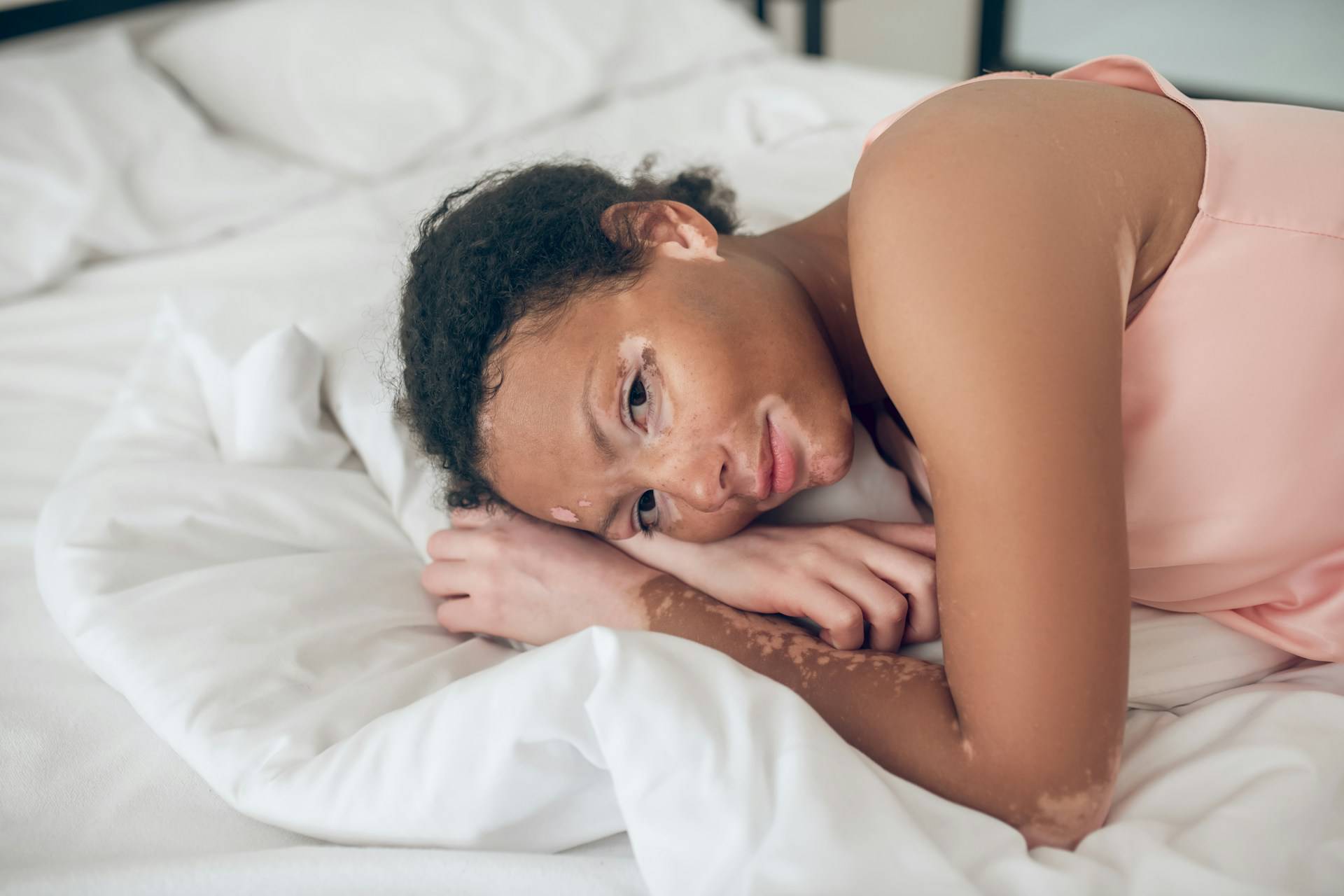
Vitiligo is a skin condition where the skin loses melanin, the pigment that gives skin its color. This creates white patches that can appear on different parts of the body. It can show up slowly or spread over time. It is not painful or contagious, and it does not affect a person’s physical health in most cases.
But while it may not hurt the body, it can deeply affect how a person feels about themselves.
More than a skin condition
Living with vitiligo is often more about emotions than appearance. Many people describe the experience as looking in the mirror and seeing someone who feels both familiar and unfamiliar at the same time.
In childhood or teenage years, this can be especially difficult. Questions from others, unwanted stares, or hurtful comments can slowly build into self-doubt. Some people start avoiding social events. Some hide their skin with makeup or clothing. Others try to ignore it but still feel its presence in every interaction.
What makes it harder is that beauty standards in many societies have long been narrow. Even today, “flawless” skin is often shown as even-toned and uniform. Anything different is treated as something to fix.
Vitiligo challenges that idea directly.
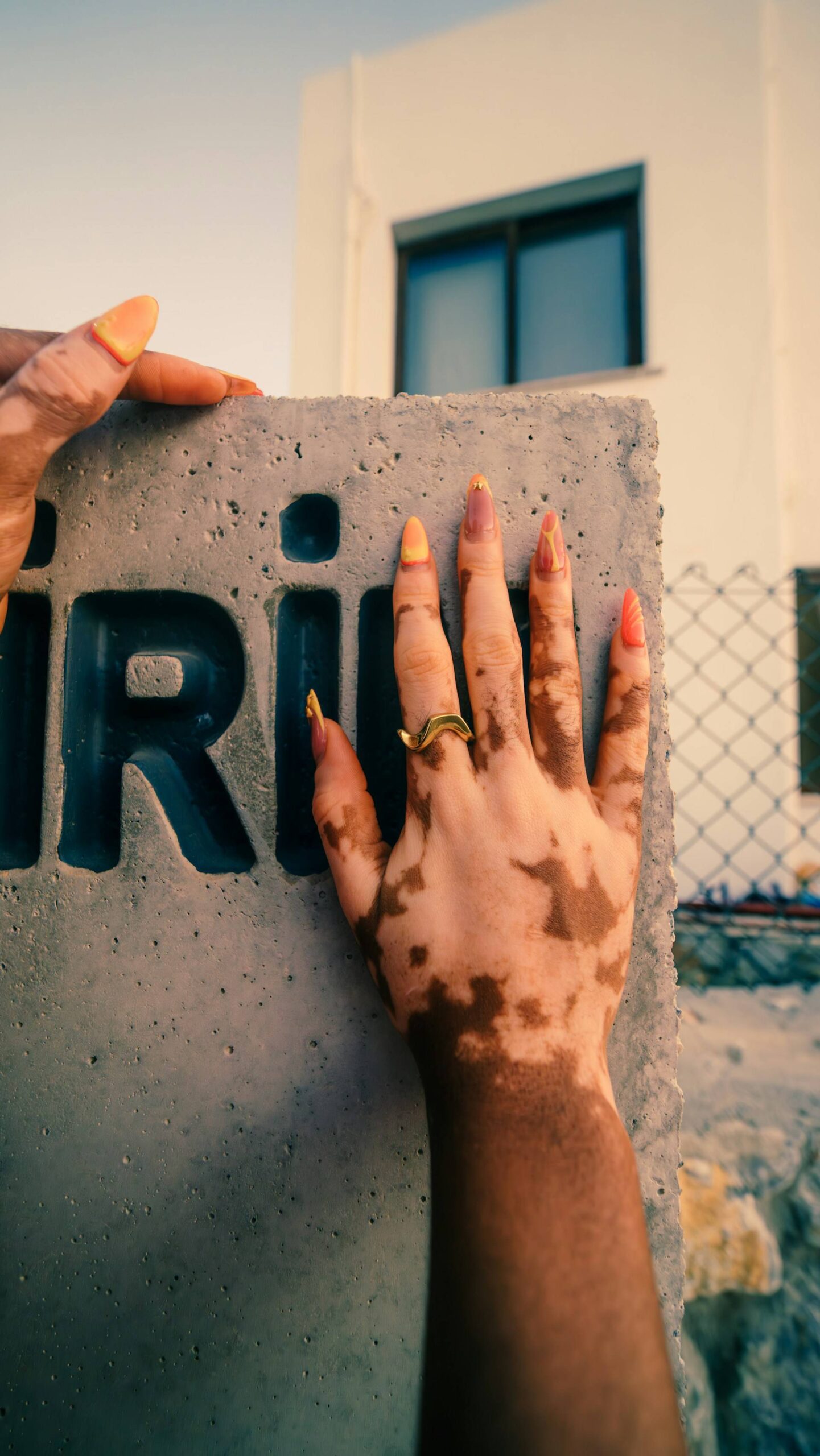
The shift in beauty standards
Over the last decade, beauty conversations have started to expand. Social media, fashion campaigns, and public figures have played a role in this change. Skin diversity is slowly being seen as something natural, not something unusual.
People with vitiligo are now visible in a way they weren’t before. They are models, creators, athletes, and everyday individuals sharing their lives openly. Instead of hiding their skin, many are choosing to show it with confidence.
This visibility matters. When someone sees a face like theirs represented, it can change how they see themselves.
It does not erase insecurity overnight, but it does create space for acceptance.
The emotional side no one always sees
Behind every visible patch of vitiligo is a personal story. Some people talk about the shock of first noticing it. Others talk about the slow acceptance that follows. Many describe a long journey between the two.
Confidence can become fragile. Even simple things like going out in bright sunlight or meeting new people can feel overwhelming. Not because of the condition itself, but because of how others might react.
At the same time, there is also strength in this journey. Many people with vitiligo develop a deep sense of self-awareness. They learn to define beauty on their own terms. For some, it becomes a turning point where they stop chasing approval and start building self-acceptance.
That does not mean it becomes easy. It means it becomes real.
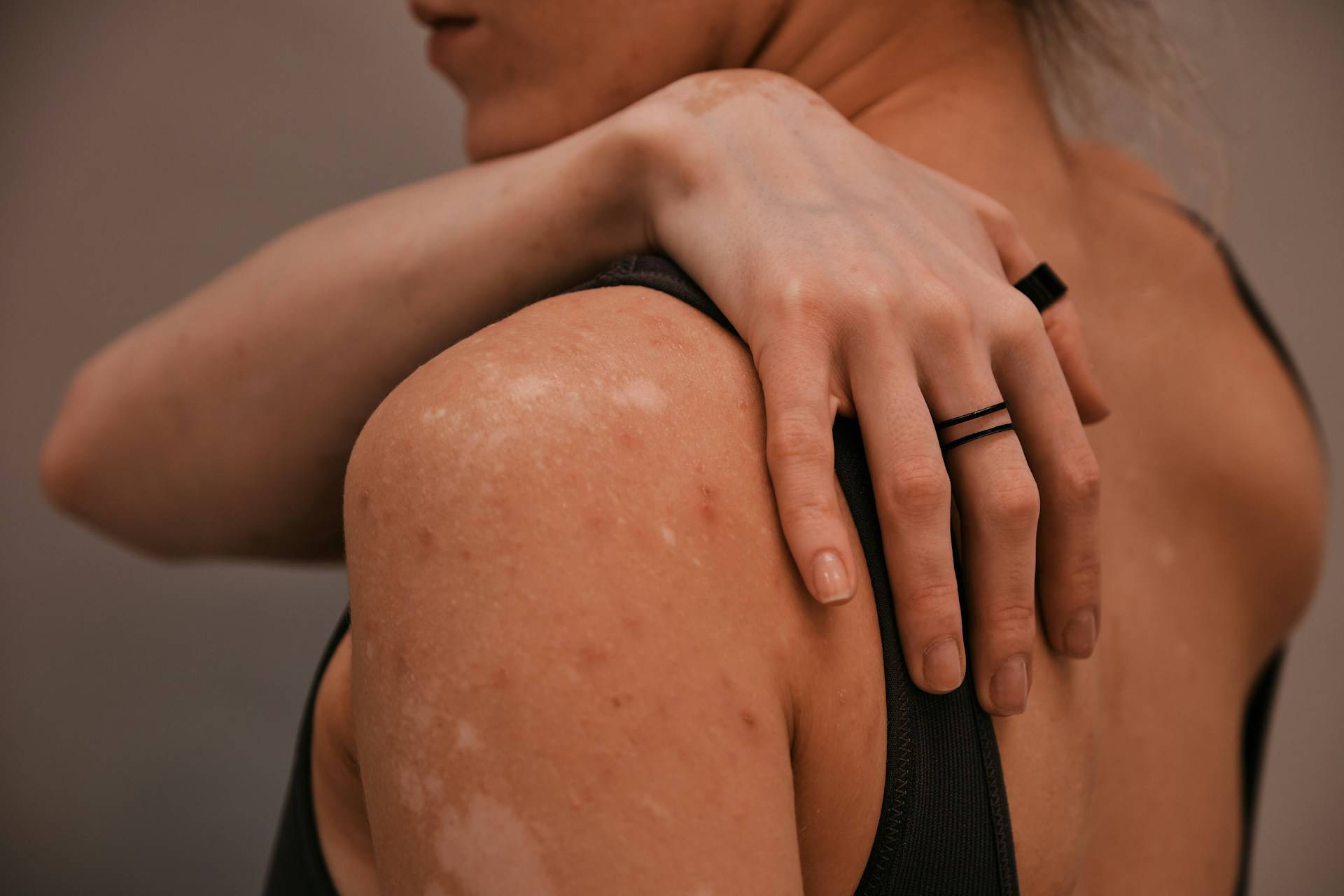
Social media: pressure and power
Social media plays both sides here.
On one hand, it can be harsh. Filters, beauty trends, and edited images can make differences feel even more visible. People with vitiligo may compare themselves to a world that seems edited to perfection.
On the other hand, social media has also become a space of healing. Many individuals now share their journeys openly. They post unfiltered photos, speak about their struggles, and celebrate their skin.
These stories often reach someone who has been silently going through the same thing. That connection can be life-changing.
Representation online is not just about visibility. It is about reducing loneliness.
Today, many people living with vitiligo are sharing their journeys openly on social media and changing how beauty is seen. From India to different parts of Asia, creators are using their voices and personal photos to show that skin differences are nothing to hide. One such voice is Aastha Shah, who speaks through her journey with confidence and self-acceptance. She has shown how living with vitiligo is not about hiding, but about standing in front of the camera without fear and owning your identity as it is.

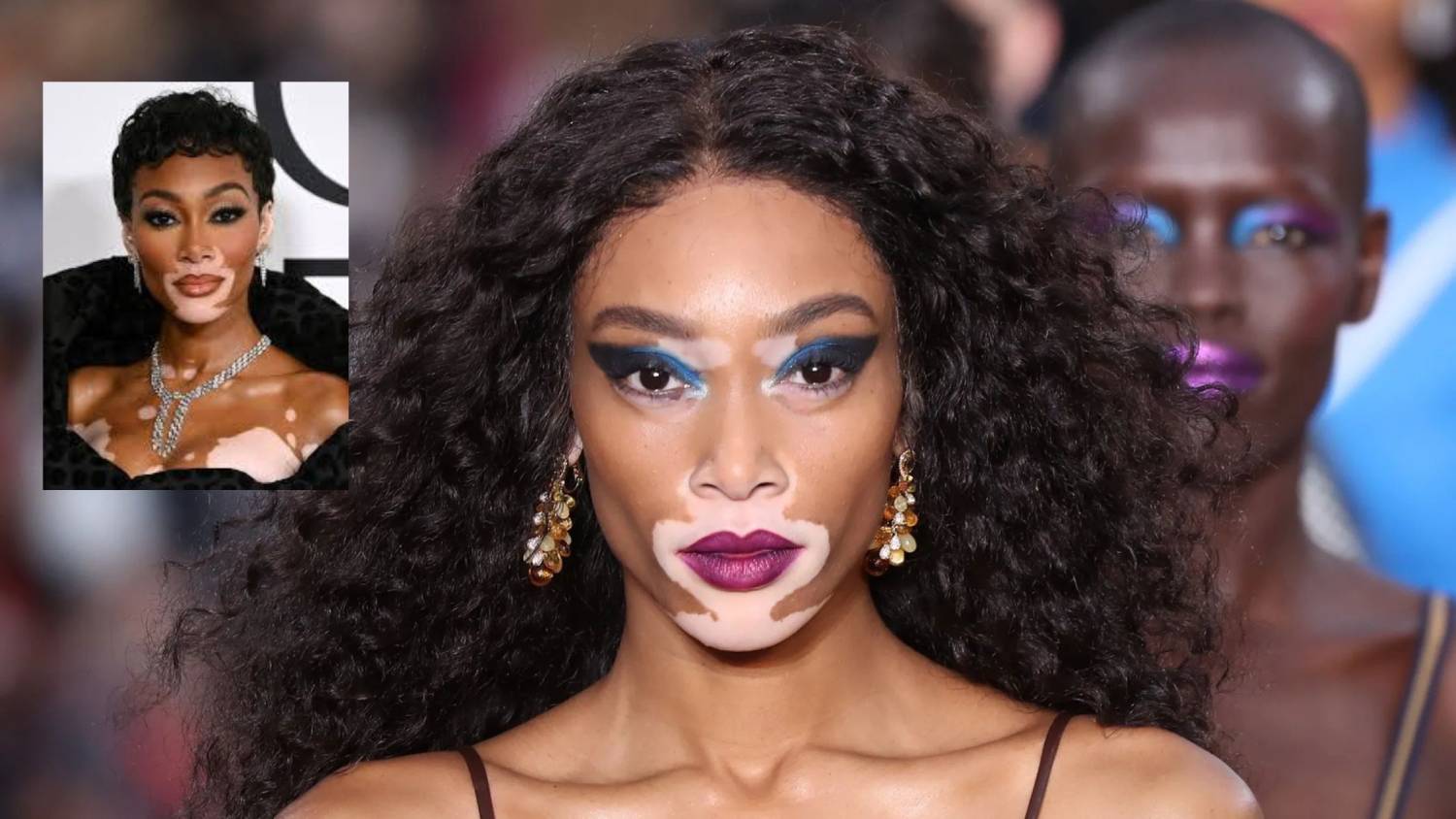
Along with her, global names like Winnie Harlow have turned what was once seen as a “difference” into a visible presence in fashion and media, showing that skin like this can exist on runways, campaigns, and magazine covers without being edited out.
Myths vs reality
There are still many misunderstandings around vitiligo, and clearing them matters.
One common myth is that vitiligo is contagious. It is not. You cannot catch it from someone else through touch or contact.
Another myth is that it is caused by poor hygiene or diet. Vitiligo is not caused by anything a person did or did not do. It is linked to how the body’s pigment cells behave, and in many cases, the exact reason is still not fully understood.
There is also a belief that it always spreads quickly or affects the entire body. This is not true. For some people it stays limited to small areas, while for others it changes over time.
These facts may sound simple, but they help reduce stigma. And reducing stigma changes how people are treated in daily life.
Living with identity, not against it
One of the most important shifts happening today is how people with vitiligo are reclaiming their identity. Instead of treating it as something separate from who they are, many are beginning to see it as part of their story.
Some choose treatment. Some do not. Some embrace makeup or fashion to express themselves. Others prefer to leave their skin completely natural. There is no single “right” way to live with vitiligo.
What matters most is choice.
When society stops treating difference as a flaw, people gain the freedom to choose without pressure.
A quiet but powerful change
The conversation around vitiligo is not loud in every space yet. But it is growing. It is in magazine covers that feature diverse skin. It is in conversations between friends. It is in young people who no longer feel the need to hide as much as before.
Change like this does not happen overnight. It builds slowly through awareness, visibility, and empathy.
Vitiligo changes skin, but it does not define a person’s worth, beauty, or potential. The real shift happening today is not in the skin itself, but in how people are learning to see it.
Not as something missing.
But as something different.
And different, slowly but surely, is becoming accepted as beautiful too.
You have not enough Humanizer words left. Upgrade your Surfer plan.