“You don’t look gay.”
“So… who’s the man in your relationship?”
“What were you before?”
For many LGBTQ+ people, these aren’t shocking questions,they’re surprisingly common. Most aren’t asked with bad intentions. They come from assumptions. Assumptions about how someone should look, who they should love, what their gender should be, or how their life should fit into familiar boxes.
The reality is that identity isn’t something we can recognise at a glance. Yet in a world shaped by social media, stereotypes and snap judgements, it’s easy to believe we know someone’s story before they’ve had the chance to tell it.
Pride Month encourages conversations about visibility and inclusion, but these discussions matter every day of the year. Real understanding doesn’t begin with having all the answers it begins with being willing to ask respectful questions, listen without judgement and remain open to learning.
The Problem with Assumptions
We all make assumptions. It’s human nature.
We notice someone’s appearance, hear their voice or see who they’re holding hands with, and our minds instinctively start filling in the blanks. The problem is that these guesses often say more about our own experiences than the person standing in front of us.
Many LGBTQ+ people spend years hearing assumptions about their identity. Some are told they “don’t seem gay enough.” Others are repeatedly misgendered because people assume pronouns based on appearance. Bisexual people are often told they’re “just confused,” while asexual people are asked whether they’ve simply “not met the right person yet.”
These assumptions may seem small, but over time they can make people feel invisible or misunderstood.
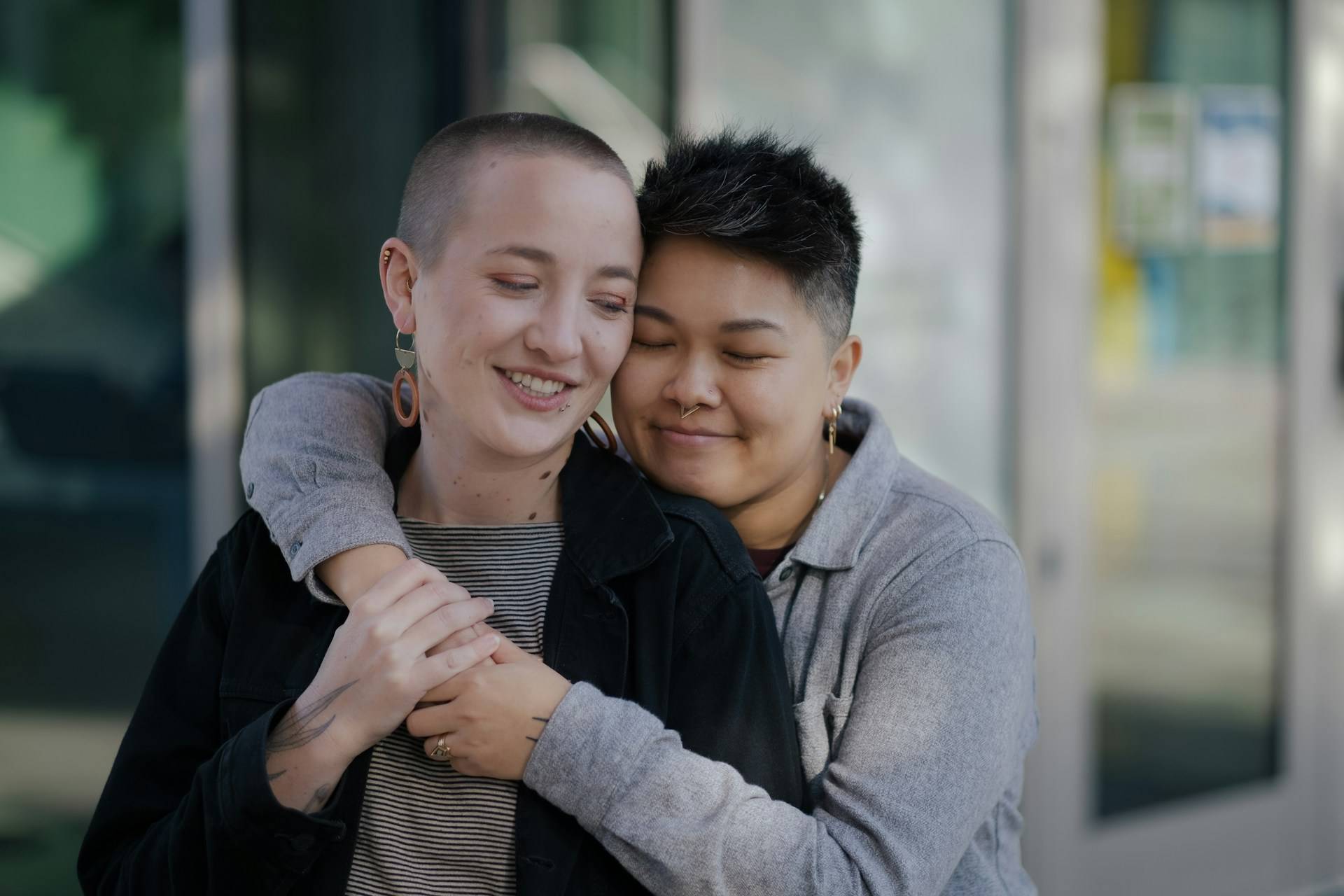
Curiosity Isn’t Offensive, disrespect is
Many people genuinely want to understand LGBTQ+ experiences but worry about saying the wrong thing.
That fear is understandable.
The truth is, curiosity itself isn’t the problem. Respect matters far more.
There’s a difference between asking, “Would you mind telling me which pronouns you use?” and demanding personal details about someone’s body or relationships. One comes from a desire to understand; the other crosses personal boundaries.
Most people don’t expect perfection. They appreciate honesty, kindness and a willingness to learn.
Sometimes saying, “I’m not familiar with that term would you be happy to explain it?” is far more meaningful than pretending you already know.
Why Listening Changes Everything
The most powerful conversations rarely happen online. They happen over coffee with a colleague, during a walk with a friend or around the family dinner table.
Perhaps someone shares what it was like coming out to their parents. Maybe a colleague explains why introducing yourself with your pronouns helped them feel more comfortable at work. A friend talks about finally feeling accepted after years of hiding part of themselves.
These aren’t political conversations.
They’re human ones.
When we stop preparing our response and simply listen, we begin to understand experiences we may never have lived ourselves.
Everyday Inclusion Matters More Than Grand Gestures
Supporting LGBTQ+ people isn’t only about attending Pride events or changing your profile picture once a year.
It’s reflected in everyday choices.
It’s asking instead of assuming someone’s partner is a husband or wife. It’s correcting yourself if you accidentally use the wrong pronouns. It’s creating workplaces where everyone feels comfortable introducing themselves without fear of judgement.
These small actions may seem insignificant, but for someone who’s spent years feeling unseen, they can make a lasting difference.
Inclusion isn’t built through dramatic moments. It’s built through everyday respect.
Learning Is a Lifelong Conversation
One of the biggest misconceptions is that everyone should already know the correct language, terminology and etiquette.
That’s simply unrealistic.
Language evolves, identities become better understood and society continues to learn. Nobody gets everything right all the time.
What matters is how we respond when we make mistakes.
Defensiveness closes conversations. Humility keeps them open.
A sincere apology, a willingness to listen and an effort to do better next time often mean far more than never making a mistake at all.
Beyond Pride Month
Pride Month shines a light on LGBTQ+ voices, but empathy shouldn’t be limited to a single month on the calendar.
Real allyship isn’t measured by hashtags or rainbow logos. It’s reflected in how we treat people when nobody else is watching. It’s choosing kindness over assumptions, curiosity over judgement and conversation over silence.
The most meaningful change often begins with one simple question asked respectfully and one person feeling safe enough to answer.
Nobody has all the answers, and that’s perfectly okay. Understanding grows through conversation, not certainty. Every time we replace assumptions with genuine curiosity, we create space for people to be seen as they truly are rather than who we imagine them to be. Pride reminds us to celebrate authenticity, but the lesson lasts all year: listen more, assume less and never underestimate the power of a respectful conversation to change someone’s world and perhaps your own.