The inspiring journey of Manik Kaur, India’s first etiquette coach, as she shares how she revived modern etiquette, mindfulness, and everyday elegance in today’s fast-paced world.
Can you tell us a little about yourself and what made you take the path you chose?
I was raised by my grandmother, who embodied grace, good manners, and quiet elegance in everyday life. From her, I learnt that etiquette isn’t about formality, it’s about respect, kindness, and consideration for others.
As I grew older, I noticed these values slowly fading in modern life. Simple courtesies were disappearing, and being well-mannered was often seen as old-fashioned or unnecessary. That disconnect stayed with me.
I felt strongly that these life skills needed to be revived and made relevant again, especially in India, where they aren’t formally taught. What began as a personal conviction gradually became a larger purpose to create awareness and bring etiquette back as a meaningful, modern life skill.
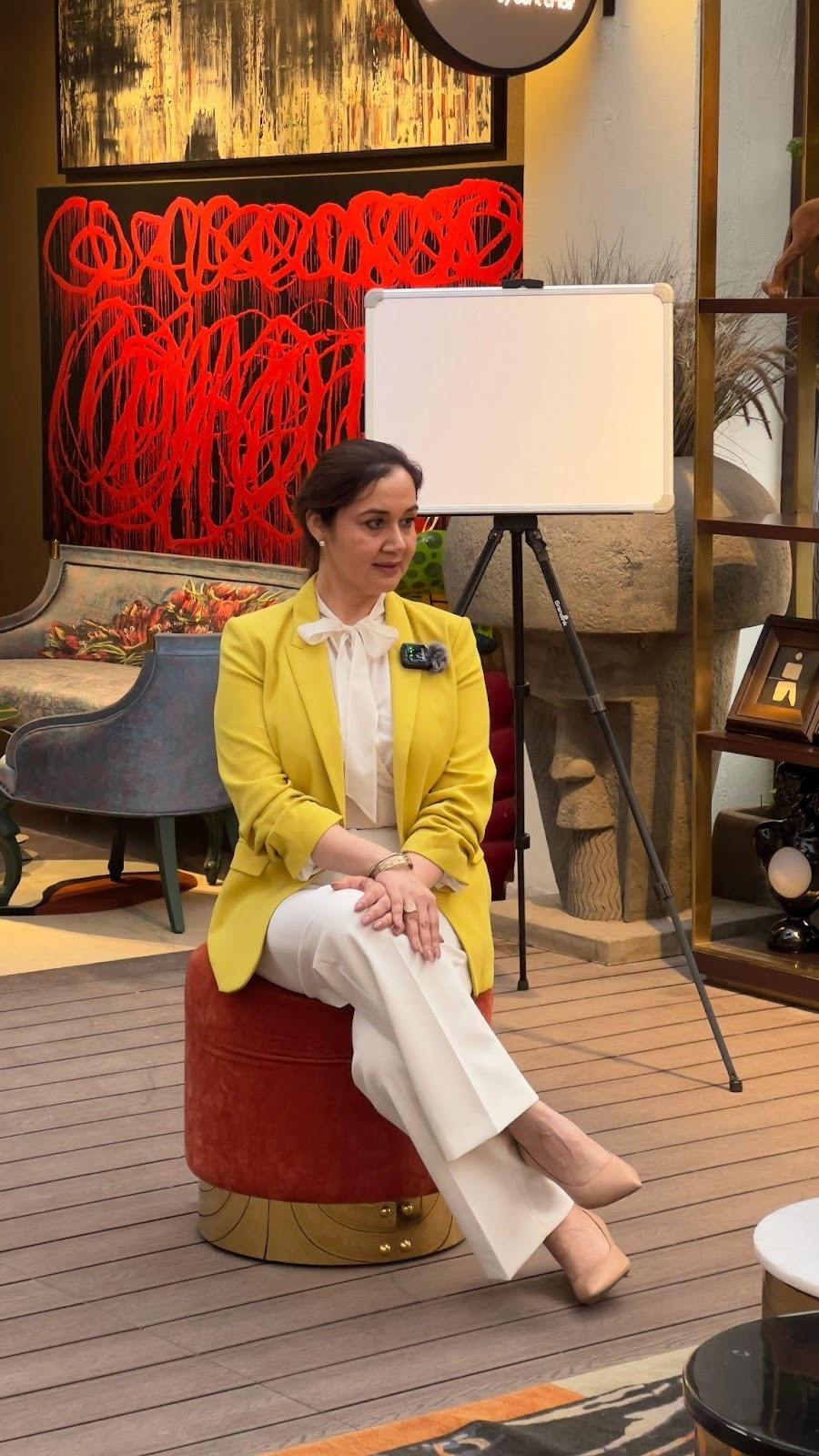
How did the idea of becoming India’s first Etiquette Coach come to you?
Interestingly, it wasn’t planned.
When I began exploring this space, I realised there wasn’t a dedicated etiquette professional in India. There were image consultants or soft skills trainers, but etiquette was treated as a small add-on rather than the core.
I naturally stepped into that gap. The role almost created itself because the need was so evident. That’s how I became India’s first Etiquette Coach by simply responding to a space that didn’t exist yet.
When you first started, how did people around you react to modern etiquette?
Initially, there was resistance.
Many people associated etiquette with colonial or Western ideas, rather than recognising that our own culture has always valued shishtachaar, respectful behaviour and social grace.
I was trolled, misunderstood, and sometimes even mocked. But I realised that whenever you introduce something new, discomfort is natural. Over time, once people experienced the value, the perception shifted dramatically.
You talk a lot about etiquette beyond rules. What does it mean to you in daily life?
For me, etiquette is not a rulebook.
It’s mindfulness in action.
It’s simply being aware of how our behaviour impacts others, choosing kindness, sensitivity, and respect in everyday situations. It’s less about “what fork to use” and more about “how you make someone feel in your presence.”
At its core, etiquette is humanity expressed through behaviour.
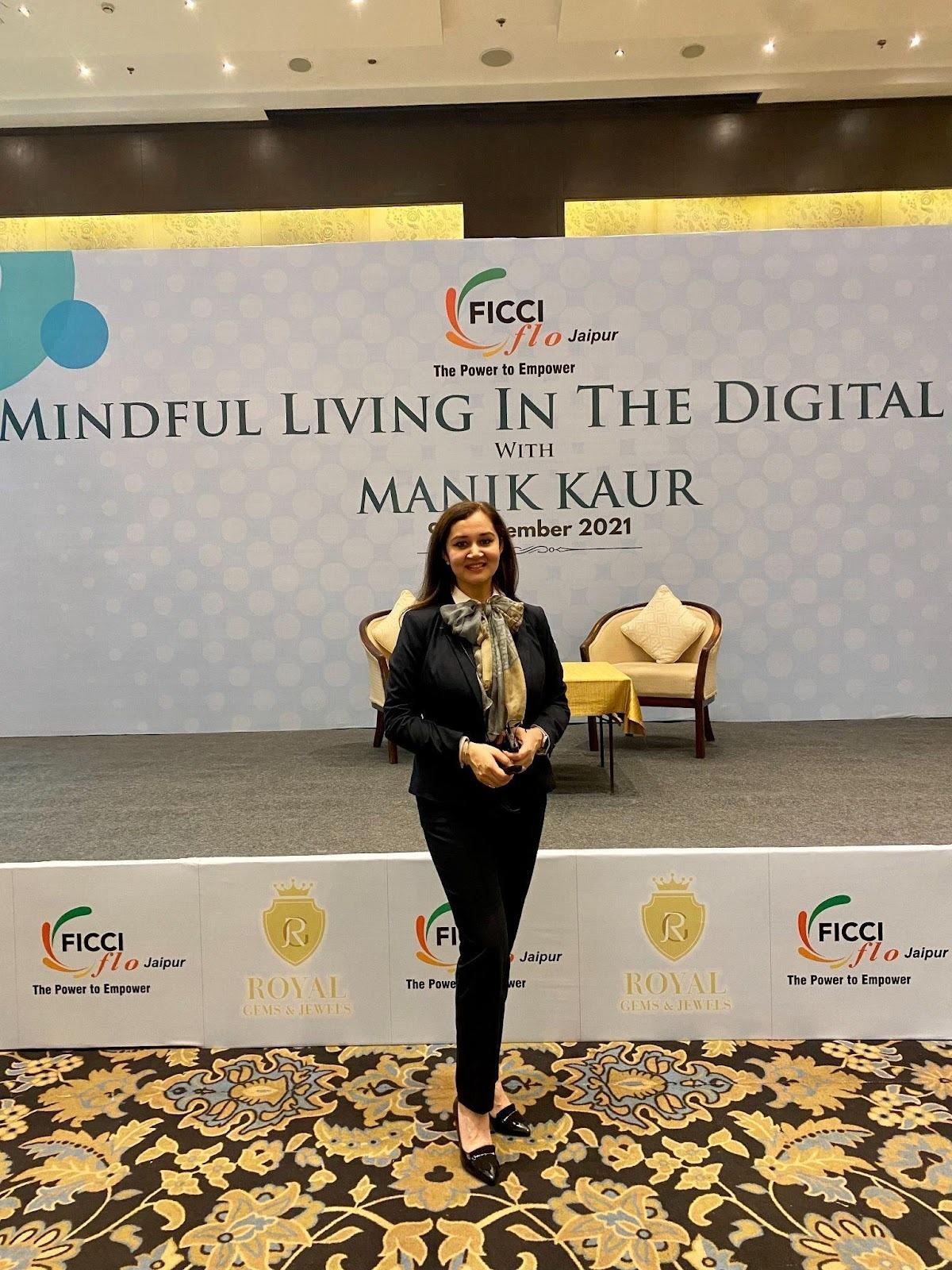
How do mindfulness and etiquette go hand in hand in your work?
They are inseparable.
Mindfulness makes you aware; etiquette guides how you respond.
Something as simple as putting your phone away while someone is speaking, thanking service staff, or being considerate in group settings, these are mindful behaviours. That is etiquette.
When we act with awareness and empathy, refinement happens naturally.
You work with students, corporates, and organisations. Do you approach each group differently?
Absolutely.
Each group has different needs, challenges, and goals. Students need confidence and social awareness, corporate focus on leadership presence and communication, while organisations look at culture and professionalism.
While the approach changes, the core values respect, empathy, and self-awareness remain constant.
Building a career from scratch can be tough. What were some challenges you faced as a woman creating this space?
Creating a completely new field came with its share of challenges.
When I started, etiquette coaching wasn’t even understood as a profession. Convincing institutions and individuals of its relevance took time. I personally reached out to schools, pitched my vision, and built everything from the ground up.
During the pandemic, work came to a halt, which pushed me to learn digital skills from scratch and start creating content independently, something completely outside my comfort zone.
Balancing family responsibilities while building a career without external support wasn’t easy, but it made the journey deeply meaningful and self-made.
Your platform has grown so fast without external support. What helped you connect with so many people?
Authenticity.
I started sharing simple, practical, everyday etiquette tips that people could immediately apply. There was no jargon or pretence just relatable guidance.
Because it addressed something people were never formally taught, it resonated quickly. Word of mouth and genuine value helped the platform grow organically.
How do you make etiquette and mindful behaviour interesting and relevant for Gen Z today?
By speaking their language.
Gen Z deeply values authenticity, respect, and emotional safety. Many modern relationship and communication challenges ghosting, miscommunication, lack of empathy are actually etiquette issues at their core.
When they understand etiquette as emotional intelligence rather than formality, it suddenly feels extremely relevant. It becomes a life skill, not an old-school concept.
What does “Everyday Elegance” mean to you personally?
It means that refinement isn’t reserved for special occasions.
It’s how you behave every single day at home, at work, with strangers, with loved ones.
True elegance is consistency of character. It’s being polished and kind, not just polished.
With so much on your plate, how do you take care of your own balance and wellbeing?
I prioritise inner balance first.
Spiritual grounding, regular exercise, and conscious breaks help me stay centred. I’m mindful about protecting my energy and choosing environments that support my wellbeing.
When you teach mindfulness, you also have to practise it.
What advice would you give to someone trying to build a meaningful career in a completely new field?
Choose something you genuinely care about.
If you would still do it even without external validation or rewards, that’s your calling. When purpose drives you, resilience follows naturally.
New fields aren’t risky lack of conviction is. If you believe in what you’re building, success eventually aligns.