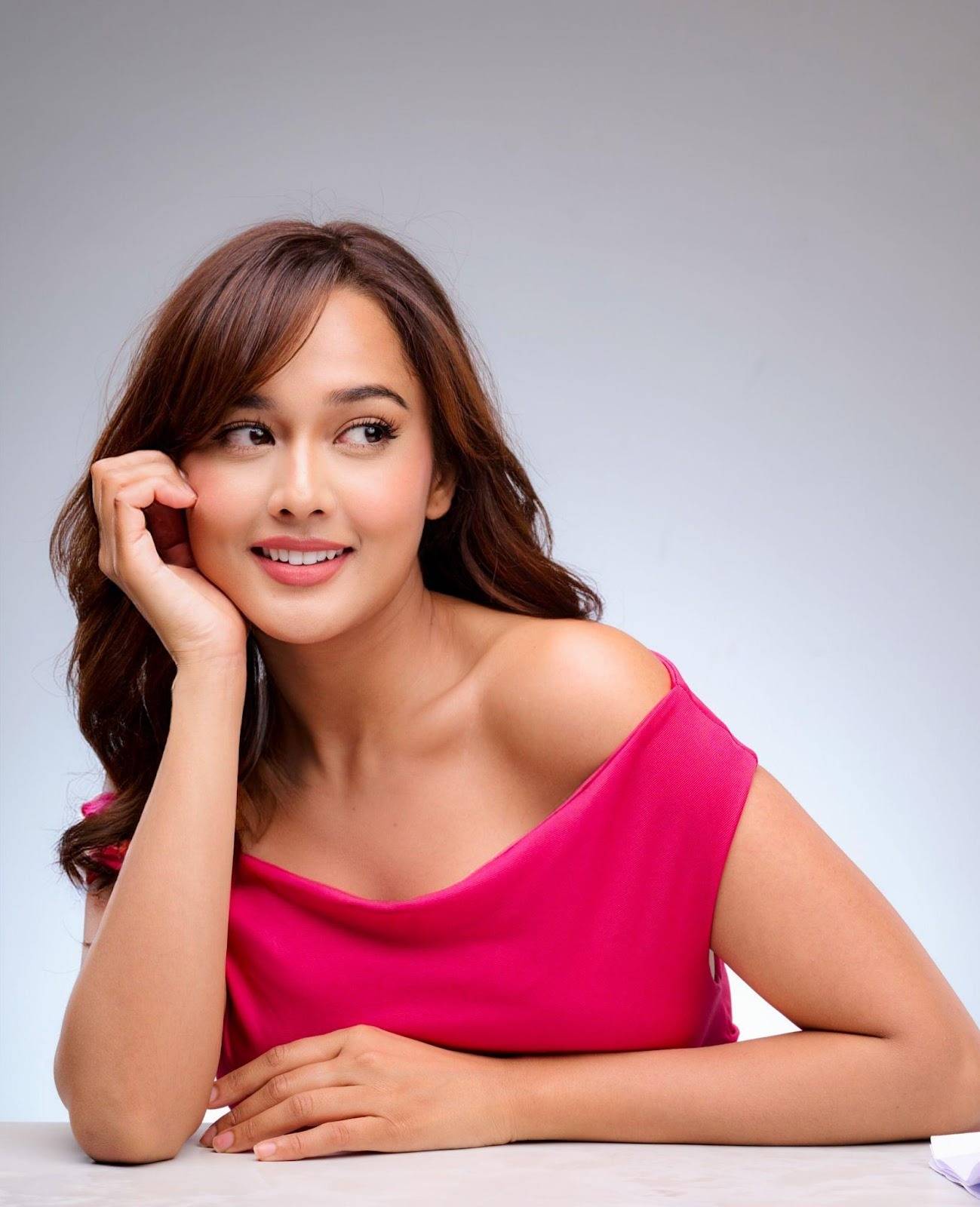
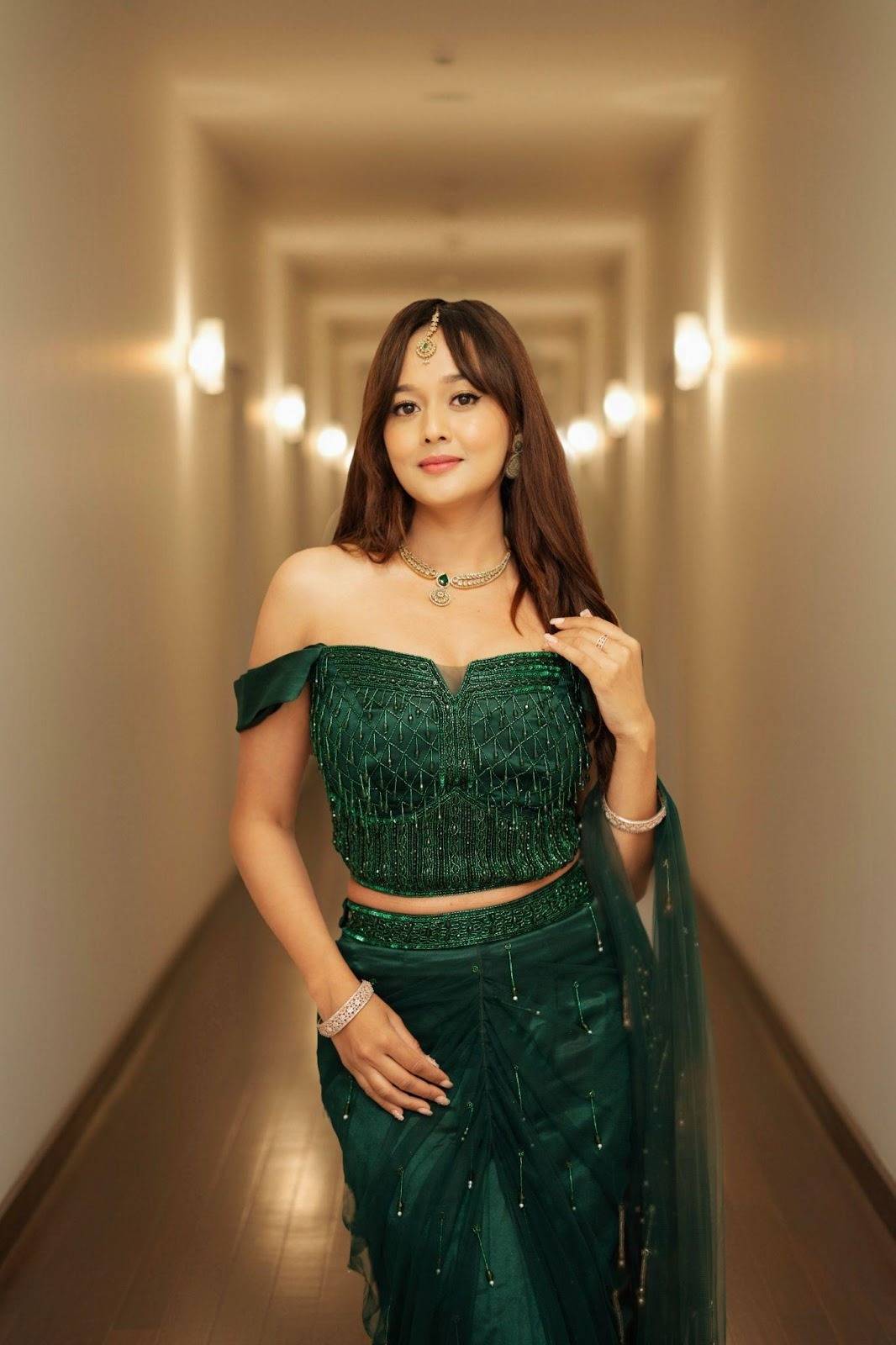
She grew up in Nepal and stepped onto the global stage, leaving a steady corporate life to follow her passion. Facing challenges and doubts, she turned them into growth and strength. Her journey shows how courage, hard work, and staying true to yourself can lead to something meaningful and inspiring.
Can you tell us a little about yourself and what led you to acting?
I was born and raised in Nepal and later moved to the United States with my family for my education. Adjusting to a new country, new people, and a completely different culture came with its share of culture shock. It was challenging at first, but over time I adapted, and that experience broadened my perspective and shaped who I am today.
I’ve had a fairly unconventional journey to acting. I studied Theatre Studies in the U.S., later completed a Master’s degree in IT Project Management, and spent a few years working in corporate America. Although my professional path shifted more than once, the desire to perform and tell stories never really left me. Over time, I realized acting wasn’t just an interest, it was something I felt deeply connected to. That realization eventually led me back to Nepal to pursue it seriously.

Growing up with a father in the film industry, did that make you want to act or push you away from it?
Honestly, it did both. There were moments when it drew me closer. Watching my dad feel so fulfilled by his work was incredibly inspiring. He would often say that acting is the best job in the world, one that allows you to travel, experience new places, work with incredible people, and do what you love for a living.
At the same time, constantly being told, “Of course you will be an actress, your dad is one,” pushed me away. I did not want to choose acting simply because it was expected of me.
You once decided you would never act. What was behind that decision?
After COVID, everything felt uncertain. I had settled into corporate life, was doing well professionally, and for a moment, it seemed easier to let go of my dream and stay where things felt stable. That’s when my mom reminded me “if not now, then when?” That question stayed with me and ultimately pushed me to take the leap.

How did studying Theatre in the U.S. change the way you see performance?
Studying theatre taught me that acting isn’t about glamour but it’s about discipline, vulnerability, and truth. Performing live showed me how powerful storytelling can be when it’s raw and immediate. It changed my perspective from seeing acting as a destination to seeing it as a lifelong craft that constantly asks you to grow.
Was there a moment when you realized acting was truly your path? What happened?
I do not think there was one specific moment. I have been performing for as long as I can remember. As a kid, I would come up with comedy skits with my friends and act them out during lunch breaks.
I enjoyed creating characters and entertaining people, even back then. Years later, watching Hamilton on broadway had a strong impact on me. Seeing how powerful storytelling could be when performance, music, and emotion came together made me realize how deeply acting resonated with me and confirmed that this was something I wanted to pursue seriously.
How did the COVID-19 pandemic impact your plans and your outlook on life?
COVID forced me to pause and rethink everything. My plans to move back to Nepal to pursue acting suddenly became impossible. Instead of resisting the change, I adapted. I pursued my master’s degree and entered the corporate world. That phase taught me resilience and gave me valuable experience, and in many ways it was a lesson that prepared me for what was next.
You spent time in corporate America. What lessons from that period help you as an actor today?
Corporate life taught me discipline, professionalism, and time management. I worked as a Scrum Master, a role that required me to be outspoken and constantly communicate, which was challenging because I’m naturally more introverted and used to staying in my own bubble.
This role forced me to step out of my comfort zone, and surprisingly, that experience prepared me for acting, where confidence, communication, and presence are essential. It also gave me clarity about what fulfillment really feels like.

Returning to Nepal to pursue acting full-time must have been tough. What were the biggest challenges?
Working professionally in front of the camera for the first time was nerve-wracking. From my debut itself, I was surrounded by extremely talented people in the industry, and that felt intimidating at first. I remember constantly worrying whether I would be able to match their level and perform confidently.
Another challenge was the promotion phase before my debut movie was released. It was my first time being out there in front of the camera, giving interviews, and interacting with the media. I was genuinely concerned about how people would perceive me and whether I would be able to present myself the right way. It was a new experience, and I had to learn quickly how to stay calm, stay composed, and stay true to myself.
But looking back, those early challenges helped me grow stronger and more confident. They taught me that discomfort is part of the process, and the more you face it, the more you evolve.
How do you deal with being constantly compared to your father in the industry?
I’ve learned to see it as part of the journey rather than something to resist. I’m proud of my father and the impact he has made, and I genuinely want to honor that legacy. At the same time, I feel motivated to work harder and create my own identity, not just rely on a familiar name.
Comparisons may spark conversations, but I don’t let them define me. I try to stay focused on learning, improving, and giving my best in every project. If people recognize my work, then that is the biggest reward for me.
As a woman entering South Asian cinema, what expectations or judgments have you faced, and how have you handled them?
South Asian cinema has traditionally been very male-driven, with fewer women-led stories. That can sometimes feel limiting, but it’s encouraging to see things slowly changing. More diverse narratives are emerging, and women are getting stronger, more layered roles. As an actor, I try to stay patient, choose projects thoughtfully, and focus on being part of that positive shift rather than being discouraged by it.
You’ve achieved milestones like films and brand endorsements. Beyond these, what does success mean to you personally?
Success to me is not just about milestones or recognition. It is about growing as a person and staying true to who I am, even as my life and career change. It means being able to look back and feel proud of the effort I put in, the lessons I learned, and the way I treated people along the way.
For me, true success is also about using my work to connect with others and create something meaningful. If I can continue to learn, improve, and stay grounded, then I feel like I am moving in the right direction. That kind of inner growth and peace is what success really means to me.

Looking ahead, what dreams or goals are you most excited about, both as an actor and as a person?
As an actor, I’m excited to explore roles that challenge me and help me grow, especially stories that stay with people long after the screen fades. I would love to work on projects that are meaningful and leave a lasting impression, even if the impact is small.
Personally, I hope to keep evolving while staying grounded and true to myself. I want to continue learning, improving, and pushing my boundaries without losing the simple joys along the way. I’m looking forward to a life that feels balanced, curious, and creatively fulfilling, where I can keep enjoying the journey as much as the milestones.