Chandrika followed her passion from the world of banking to the world of fashion. Through CDK GYENCHA, she is preserving Bhutanese weaving and supporting women artisans who keep this craft alive. Her designs carry culture, skill, and identity in every thread. This interview celebrates her vision, her courage, and the timeless beauty of tradition made modern.
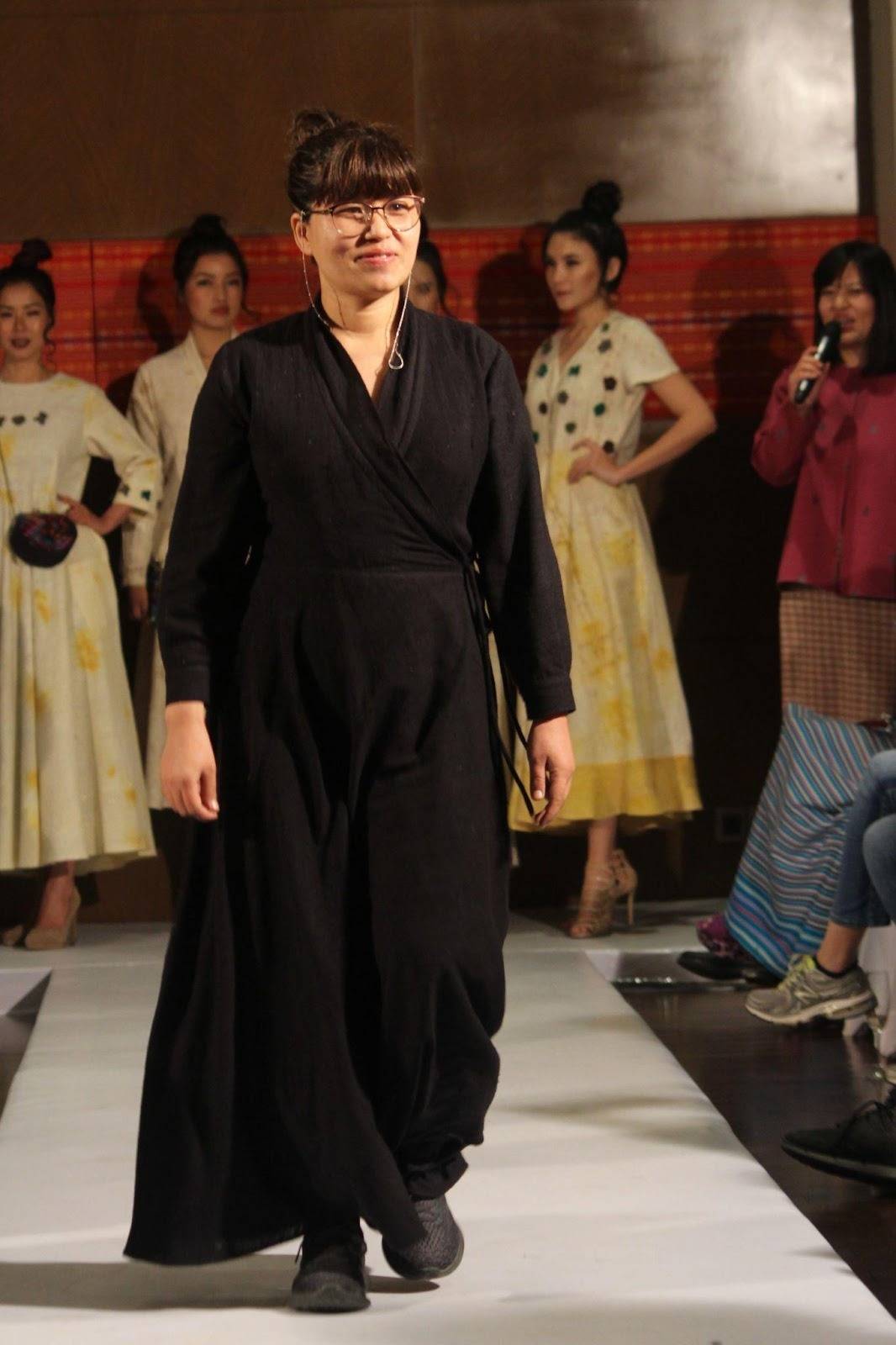
Chandrika, can you tell us a little about yourself and what inspired you to move from banking to fashion design?
My journey into fashion began as a childhood dream, but it became deeply personal when I realized that creating joy for myself is the first step to bringing happiness to others.
I began my career in banking because, like many young people in Bhutan at the time, a stable job felt like the safest path. But even while working as an IT officer, I found myself drawn back to textiles, unpicking old clothes, stitching by hand, experimenting with shapes, and feeling an emotional connection to fabric.
Fashion became a quiet language for me a way to explore identity, culture, and purpose. Over time, I noticed the decline of hand-weaving traditions in Bhutan, an art form that holds centuries of knowledge, symbolism, and women’s labour. I began asking myself:
If we don’t preserve this heritage now, who will? And what will be lost?
That question kept growing louder. So, after six years, I made the difficult yet meaningful decision to leave banking and fully commit to design. I started small from my home, learning through experimentation, research, and community conversations.
What began as a passion slowly became a purpose:
to revive Bhutanese weaving, empower women weavers, and create fashion that is mindful, slow, and rooted in cultural integrity.
Today, my work with CDK GYENCHA is not just about creating clothing it’s about preserving knowledge, rebuilding value around craft, and reminding the world that tradition and innovation can coexist beautifully.
How did you discover your passion for sustainable fashion, and what does it mean to you personally?
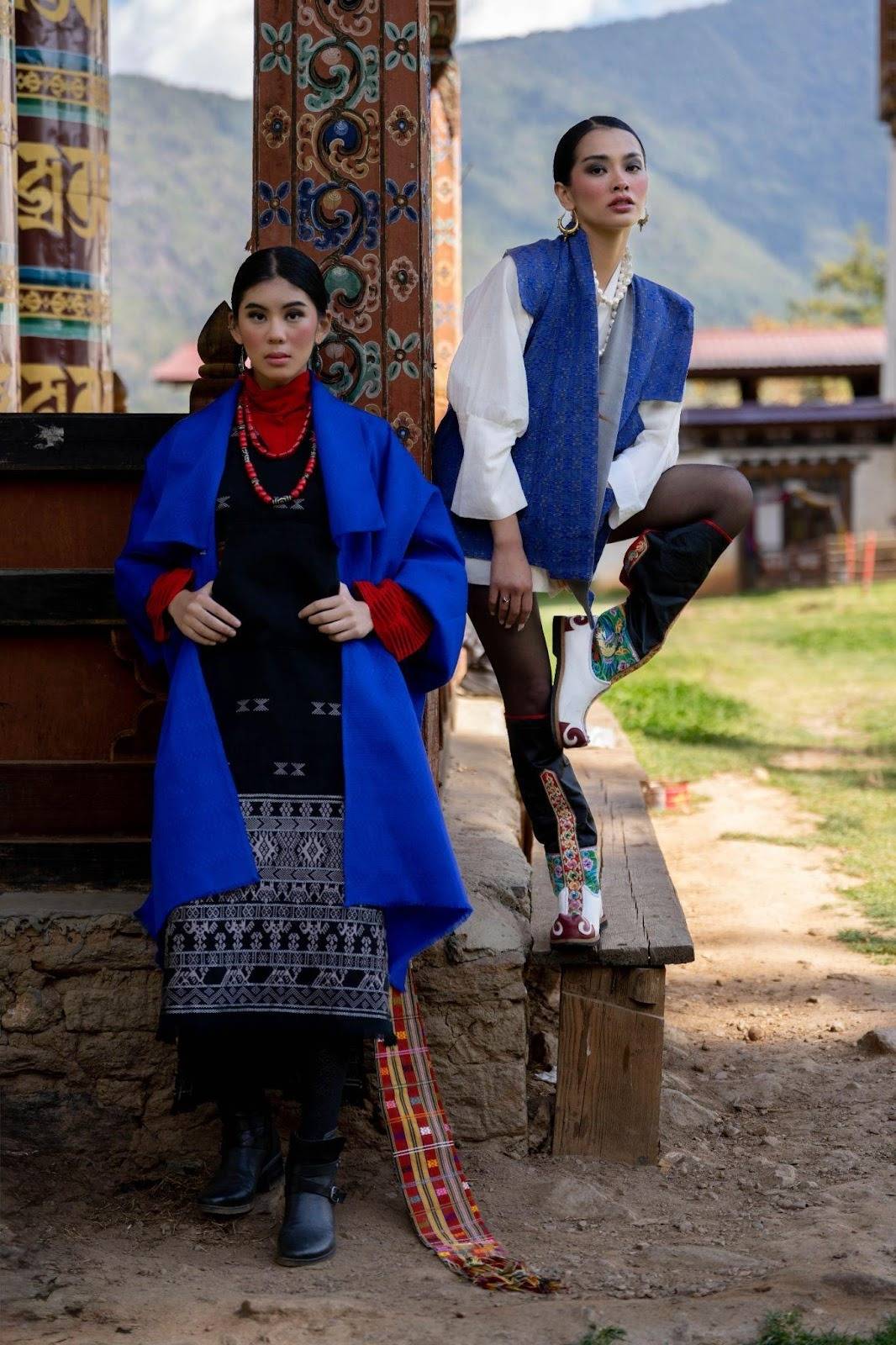
My passion for sustainable fashion didn’t begin with an industry trend it began with a feeling. Growing up in Bhutan, I was surrounded by a culture where nothing was wasted, where textiles were treasured, repaired, passed down, and treated with dignity. Clothing was never just clothing it carried identity, meaning, and memory.
When I began exploring fashion more seriously, I naturally gravitated toward that mindset. I felt a deep discomfort with the idea of creating something beautiful at the cost of the environment, people, or cultural values. Fashion, to me, had to be honest not exploitative. It had to reflect harmony rather than harm.
Sustainability became my language of balance:
between tradition and innovation, nature and design, community and individual expression.
Working closely with weavers and artisans strengthened this belief. I saw how weaving sustains livelihoods, preserves heritage, and connects women to both their families and cultural identity. I realized that fashion could be a tool for empowerment not just expression.
Personally, sustainable fashion means responsibility with intention. It means creating with respect for the Earth, the craft, and the people involved in every step. It means slowing down, choosing meaning over excess, and ensuring that every piece has a purpose and a story.
To me, sustainability is not a trend it is a commitment, a mindset, and a way of living. It is the belief that beauty and responsibility can coexist, and that the future of fashion must honor both people and the planet
CDK GYENCHA focuses on empowering home based women and single mothers. What motivated you to build this social mission into your brand?
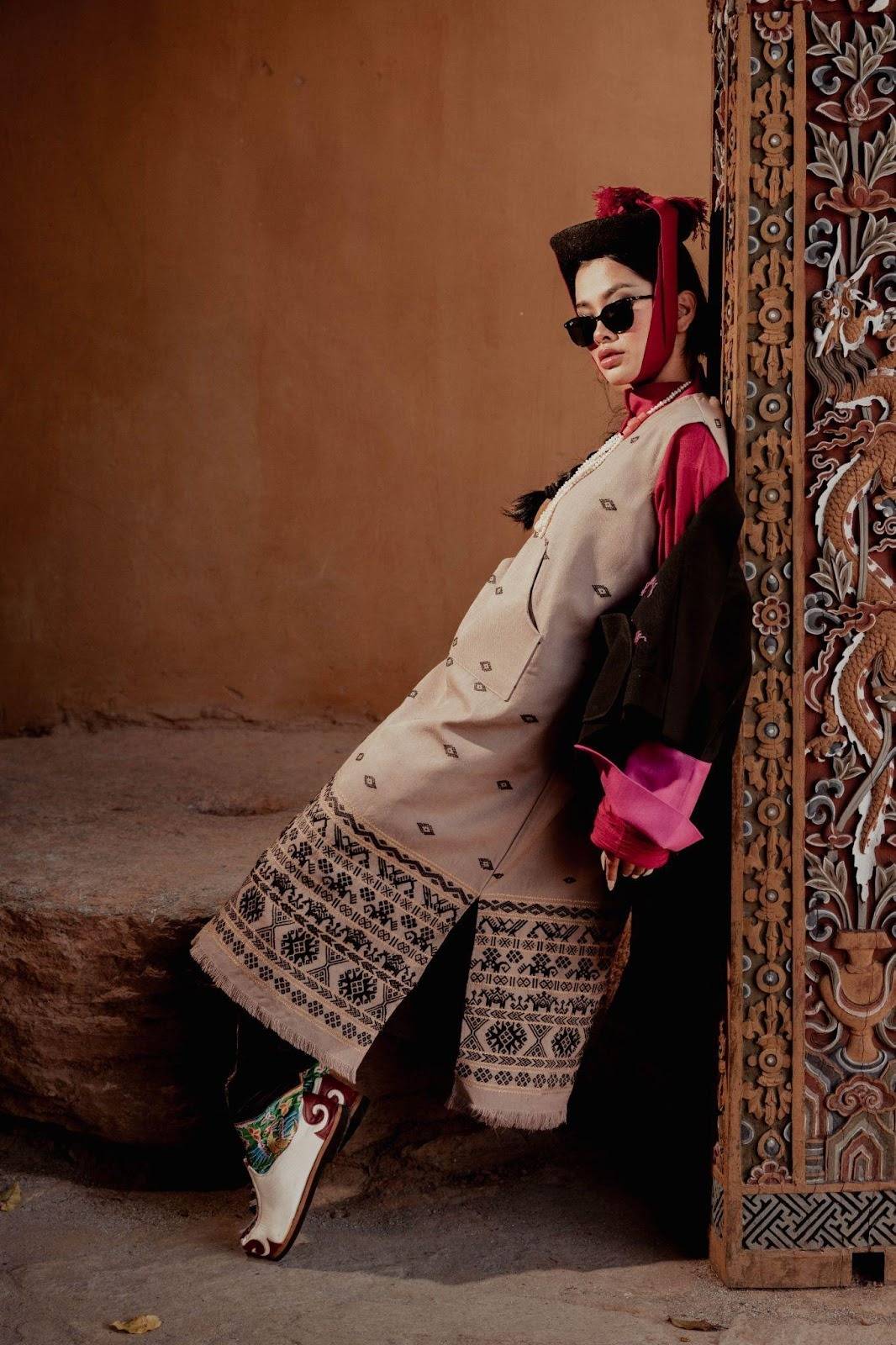
The motivation came from a very real and emotional place. When I started working with weavers in rural Bhutan, I met many women, especially single mothers, who carried both incredible skill and quiet strength, yet faced limited opportunities. Their weaving was often undervalued, treated as a hobby rather than a craft worthy of dignity, recognition, and fair income.
I began to see how weaving was more than a skill it was independence, identity, and in many cases, survival.
At the same time, I was building CDK GYENCHA with the intention of creating meaningful work, not just products. I knew that if my brand had a purpose, it had to align with the values I grew up with: community, compassion, and respect for labour.
Empowering home-based women became a natural part of the journey not a marketing strategy, but a responsibility. Many of these women cannot leave their homes due to cultural roles, childcare, or personal circumstances. By bringing work to them, I realized we could provide income, confidence, and dignity without forcing them to compromise their lives or identity.
It was also a decision made during Covid to continue supporting single mothers. It was a difficult choice to let go of other weavers, but I had no other option.
For me, this mission is deeply personal. I believe craft should honour the hands behind it, and fashion should contribute to a better future, not just a beautiful garment. Through CDK GYENCHA, I hope to create an ecosystem where women are not just workers they are partners, decision makers, and cultural custodians.
Empowering them means preserving heritage, strengthening communities, and proving that fashion can be a force for healing, opportunity, and change.
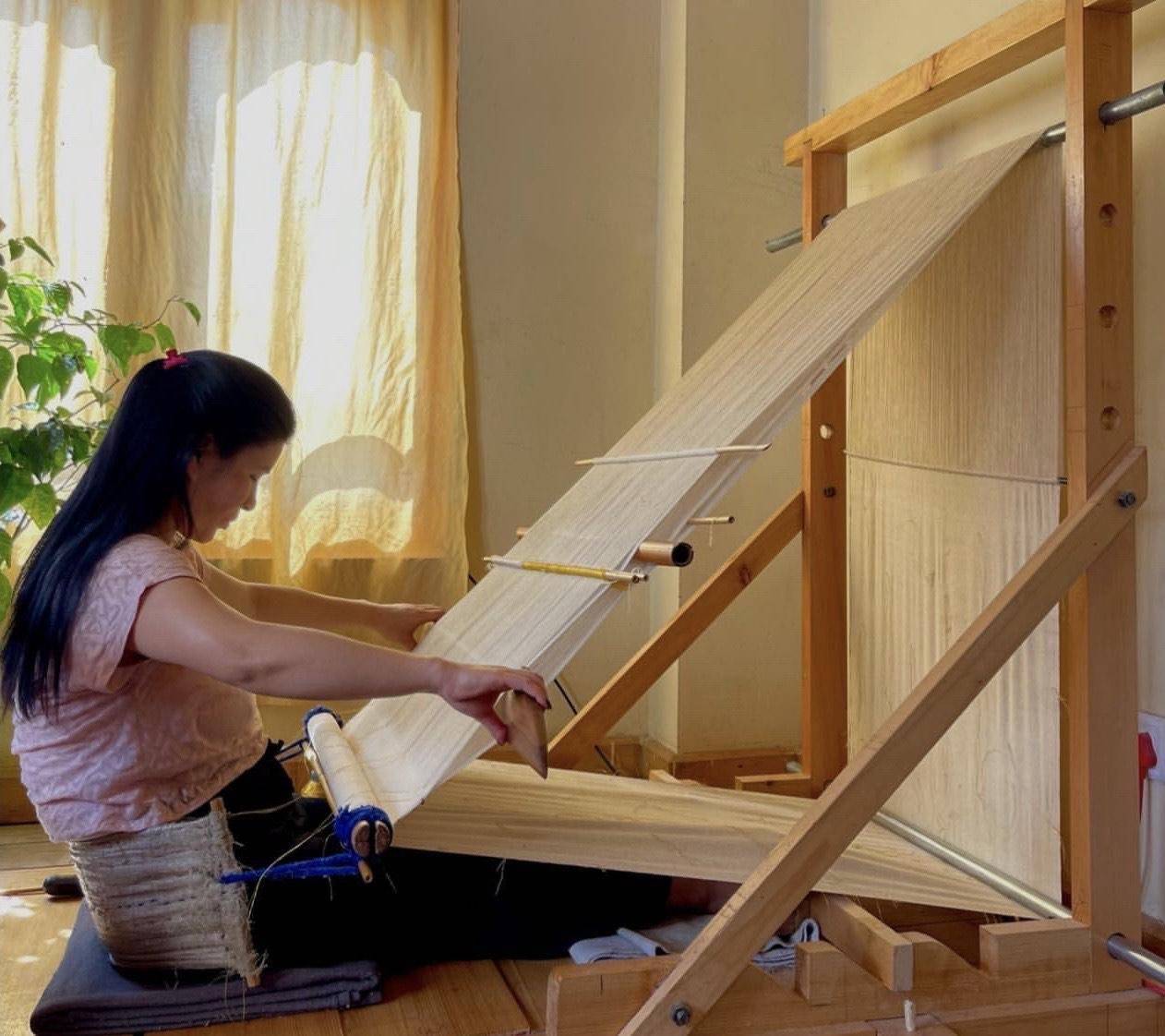
How do you strike a balance between preserving Bhutanese textile traditions and introducing innovative designs?
Balancing tradition and innovation begins with understanding. The techniques, motifs, and symbolism of Bhutanese textiles have deep cultural purpose, so I preserve them with integrity through research, collaboration with weavers, and ethical production.
Innovation happens around the edges: in silhouettes, textures, materials, and functionality. I explore ways to make heritage textiles wearable, relevant, and exciting for a new generation, without compromising their cultural spirit.
For me, tradition is not fragile, it’s living. Innovation is simply how tradition breathes into the future.
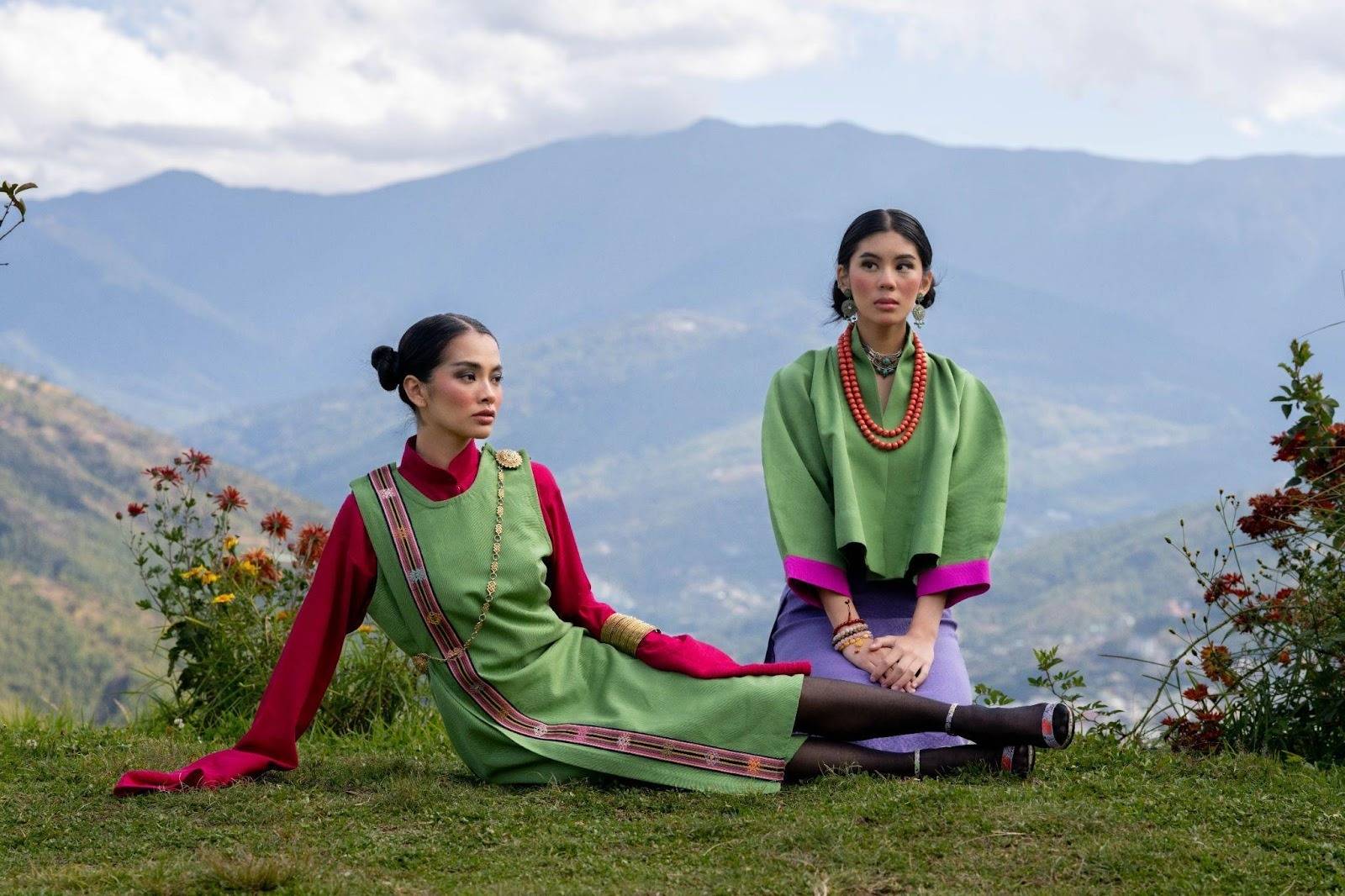
Could you share one major challenge you faced as Bhutan’s first fashion entrepreneur, and how you overcame it?
As Bhutan’s first fashion awardee entrepreneur, the biggest challenge wasn’t just creating a brand,it was creating an industry framework where none existed. There were no trained technical teams, no established supply system, and a limited understanding of fashion as a profession.
To overcome this, I worked directly with rural weavers, craftspeople, and young emerging creatives and with many experimental practices where we failed many times and rectified.
Together, we co-built skills, systems, and opportunities. What started as a personal mission grew into a shared movement one grounded in culture, craftsmanship, and meaningful employment.
Today, the challenge has become the foundation of progress.
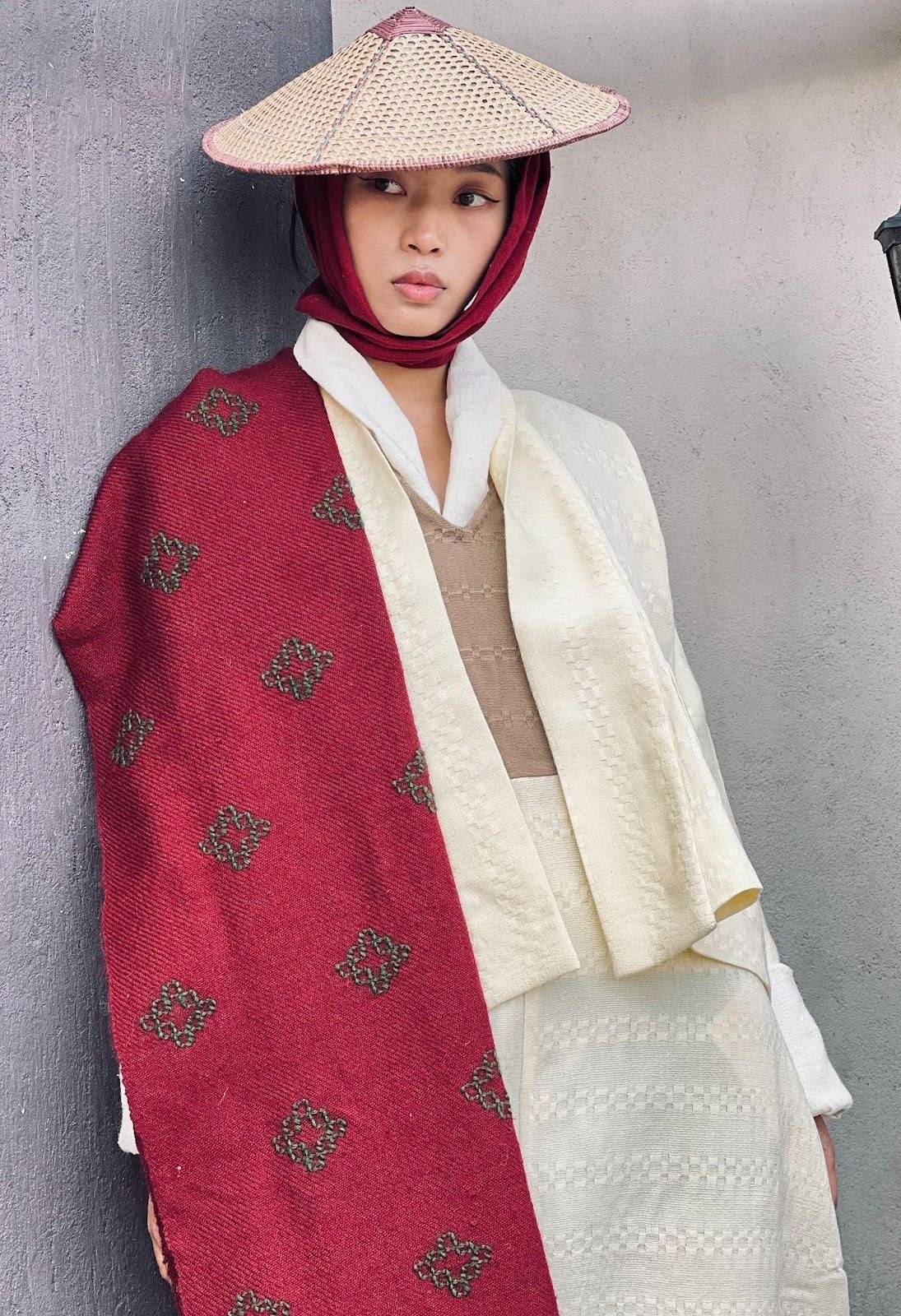
Your work incorporates zero waste designs and recycled materials. How do you convince people to value slow fashion in today’s fast-paced world?
I don’t convince people with trends, I invite them to feel a connection. When someone understands who made their garment, how long it took, and the cultural story woven into it, the piece becomes more than clothing. Slow fashion isn’t just about sustainability, it’s about meaning, longevity, and respect for the hands behind the work.
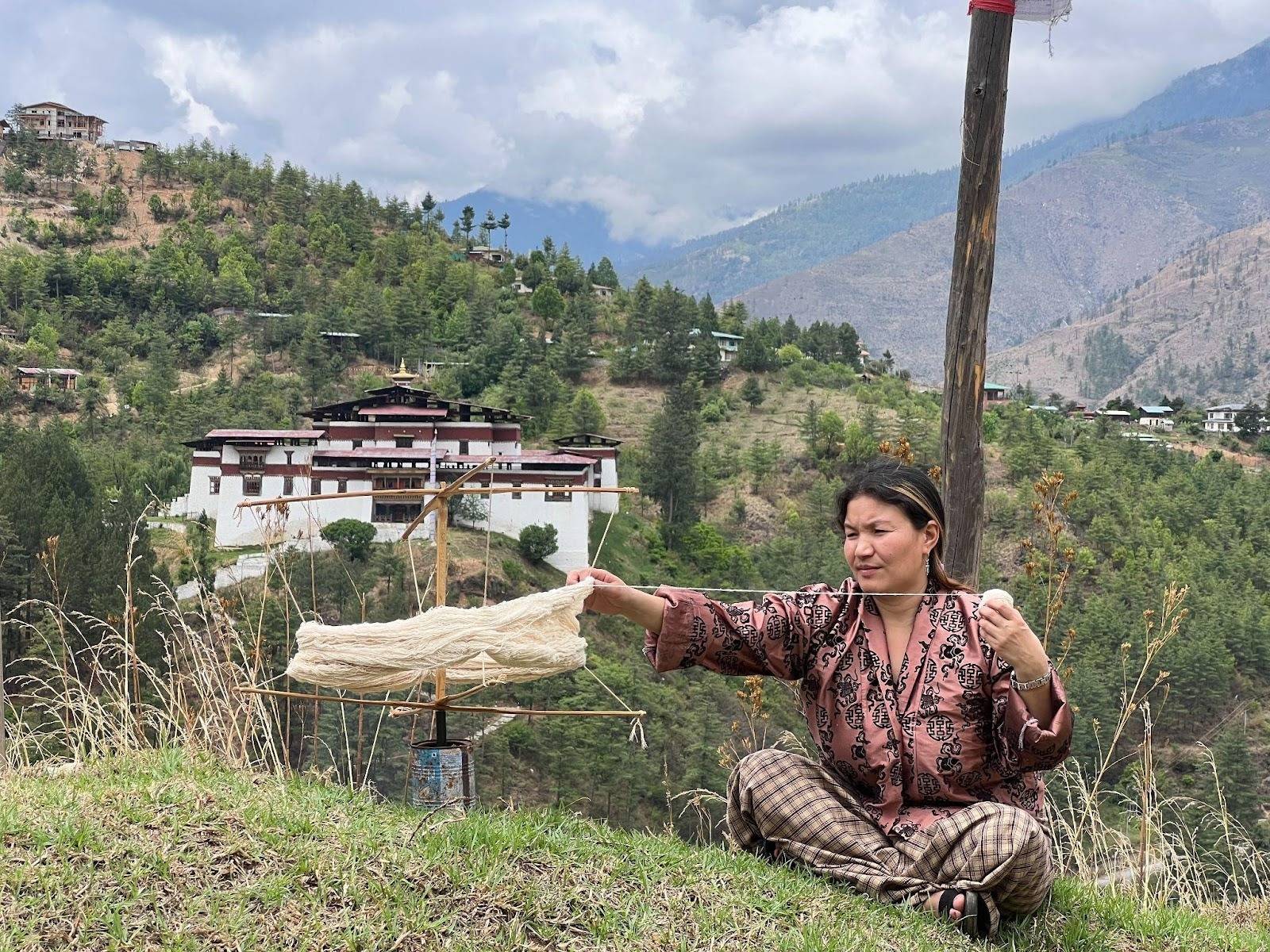
How has winning the Women Entrepreneur of the Year award and being featured in international media shaped your journey?
Winning the Women Entrepreneur of the Year award and receiving international recognition affirmed that the work we are doing, preserving heritage, empowering women, and building circular fashion-has meaning beyond borders. It strengthened my confidence, expanded opportunities for my weavers, and reminded me that Bhutan’s story deserves a global voice.
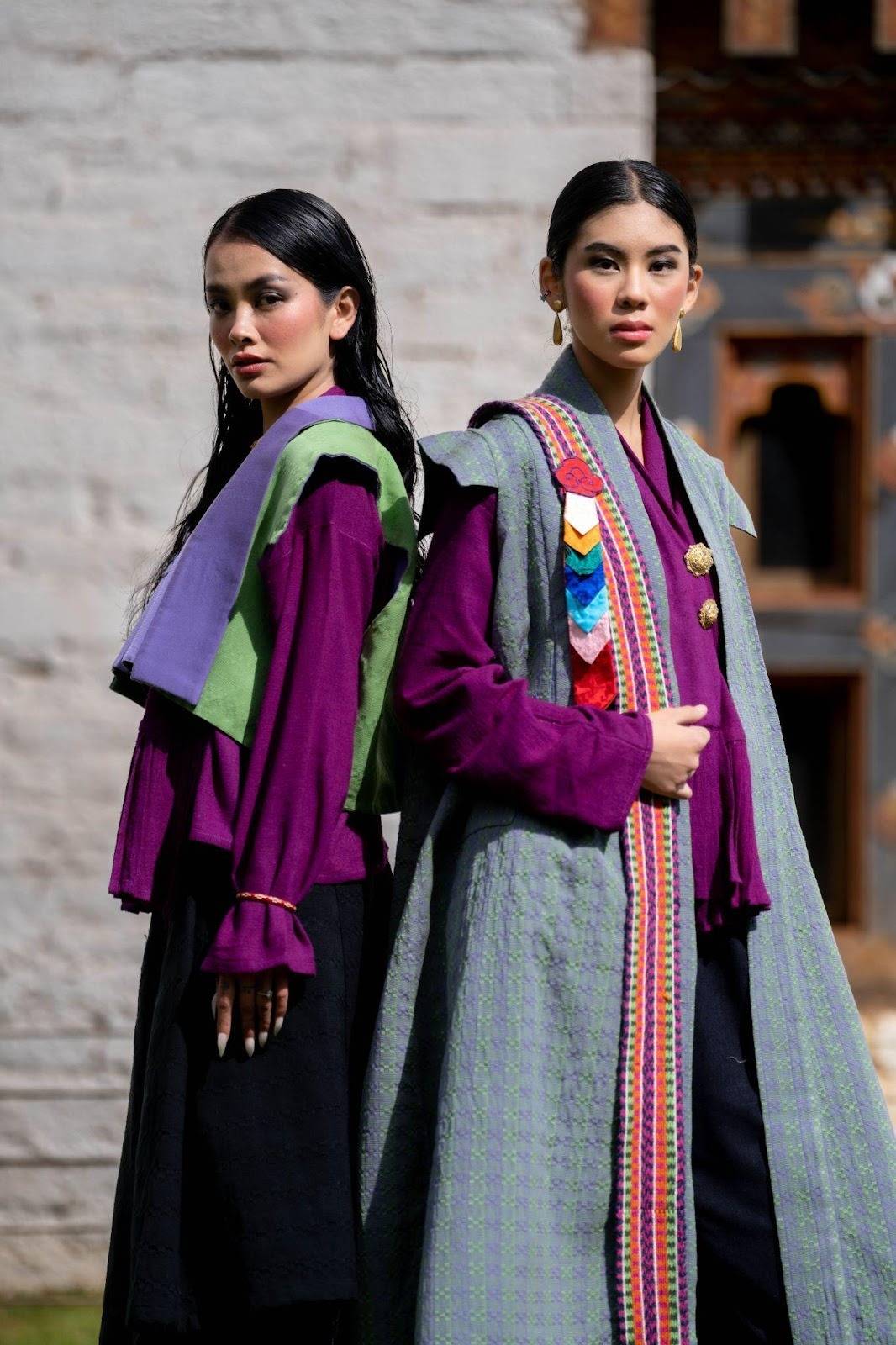
Being the first Bhutanese designer at Milan Fashion Week 2025 is remarkable. How did that opportunity come about, and what did it feel like to represent Bhutan on that stage?
Standing there as the first Bhutanese designer wasn’t just about me — it was about honoring my country, our artisans, and a heritage that deserves global recognition. It felt like bringing Bhutan’s soul to the world stage.To collaborate with Italian designer and bring Bhutanese fashion initiated by UN Food and Agriculture to the world stage just begun I felt.
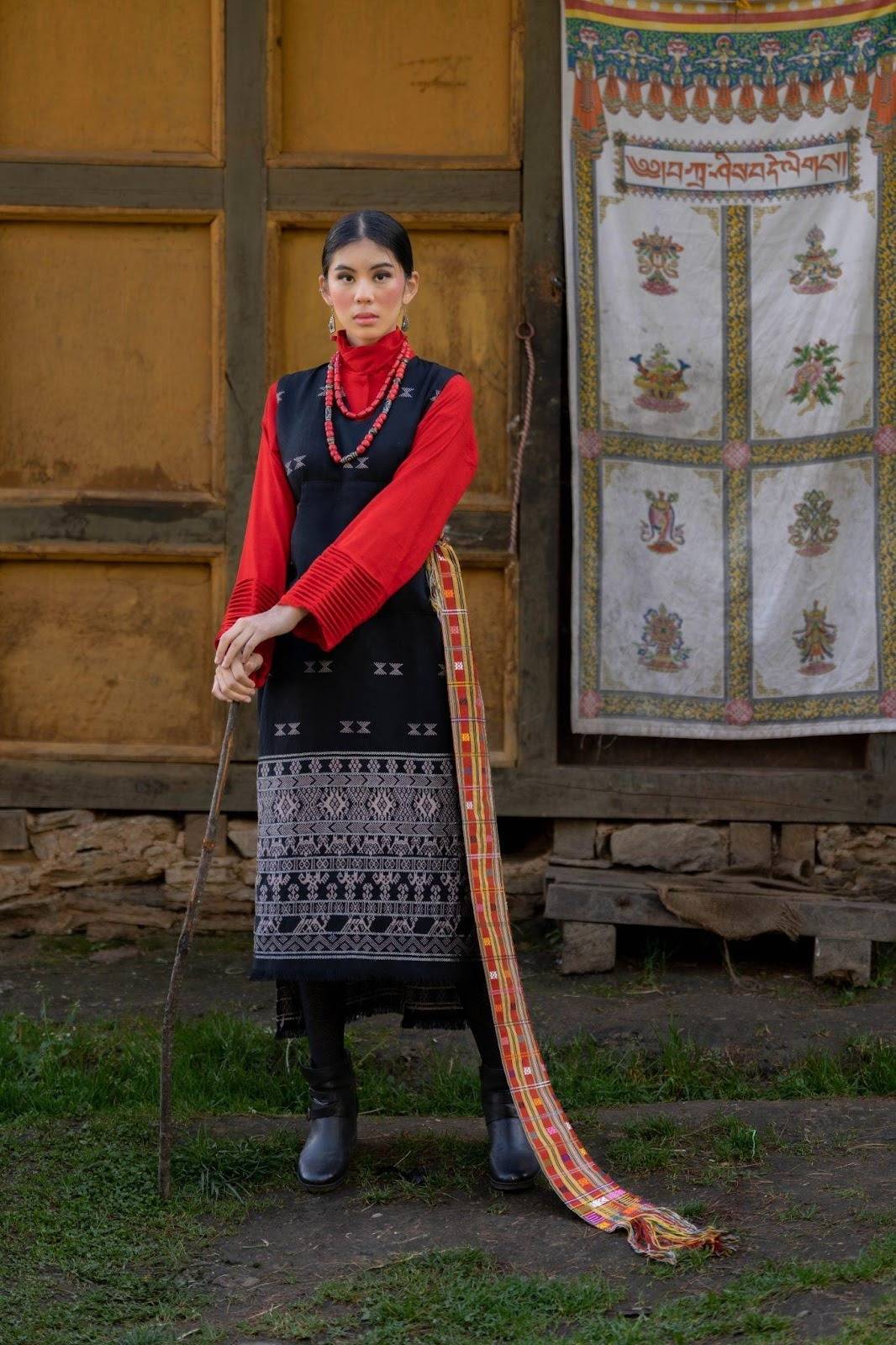
You’ve been a guest speaker at the Bhutan Innovation Forum. What message do you try to share with young entrepreneurs and designers?
My message to young entrepreneurs and designers is simple: don’t rush. Create with intention, patience, and integrity. Innovation doesn’t always mean something new! Sometimes it means returning to roots, valuing tradition, and building with purpose. Believe in your ideas, embrace challenges as lessons, and build something that serves people, not just trends.
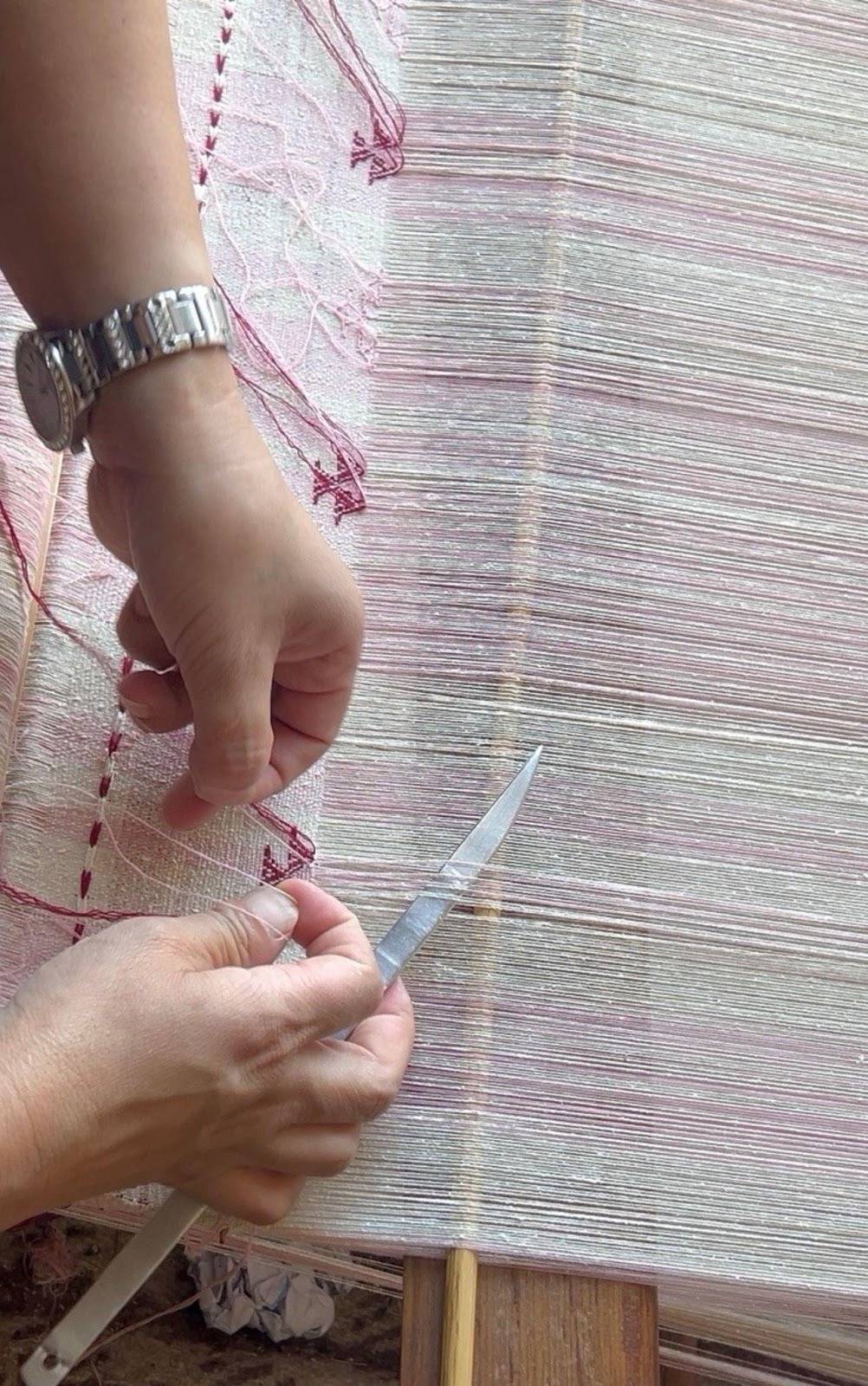
What role do experimentation and learning play in your design process, and can you share an example of a project that taught you something unexpected?
Through the ‘In Between Present’ collection, I learned to embrace uncertainty, take bold risks, and express my vision freely without fear or hesitation.
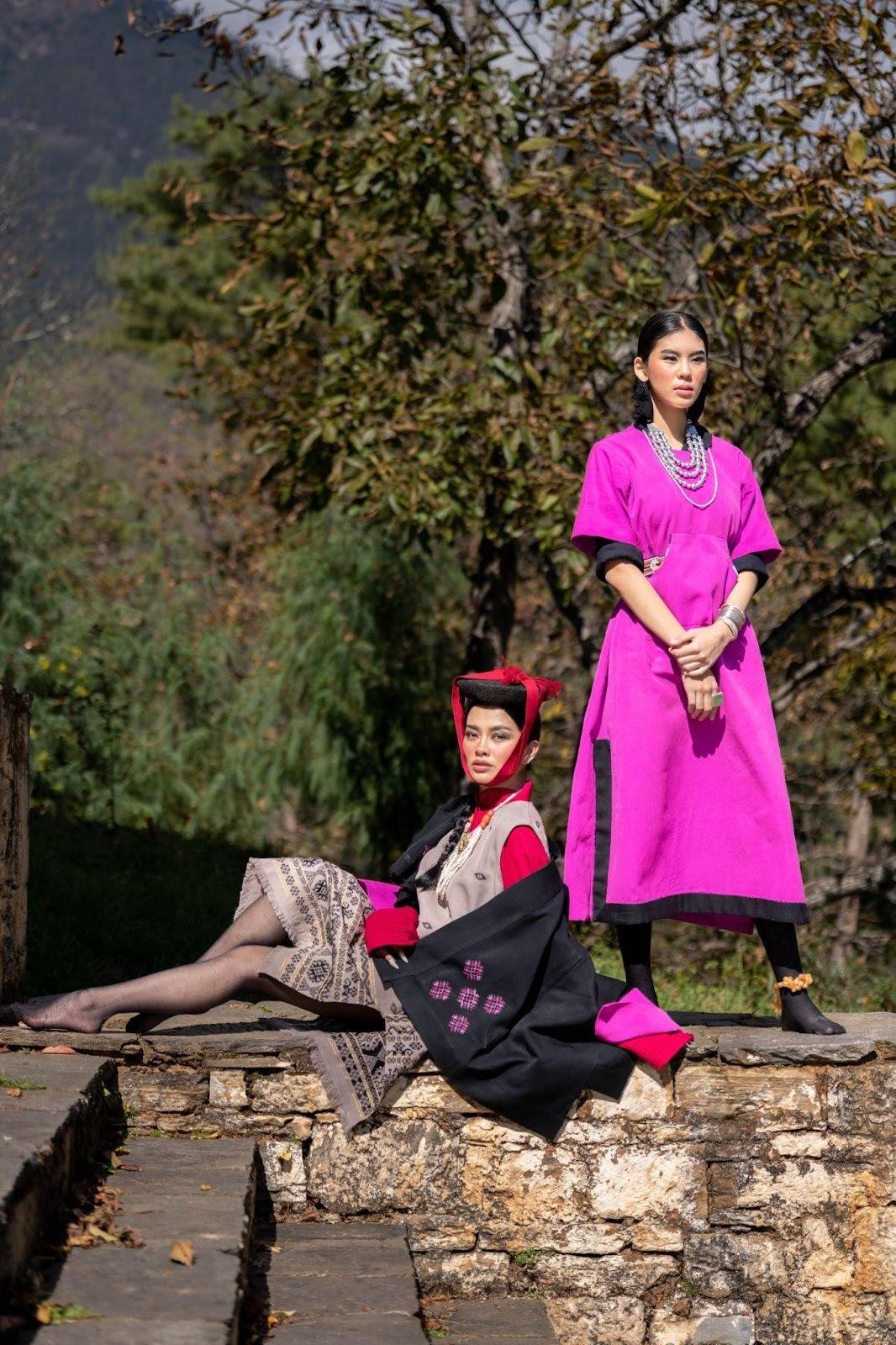
How do you measure the impact of your work, both socially and culturally, on the communities you support?
I measure impact by looking beyond numbers. Socially, it’s the confidence, income, and skills that home-based women gain through weaving. Culturally, it’s the preservation of techniques, motifs, and stories that might otherwise disappear. When women feel proud of their craft, traditions thrive, and communities strengthen, that’s the true measure of success.
What is your vision for CDK GYENCHA, and what legacy do you hope to leave in Bhutanese fashion and sustainability?
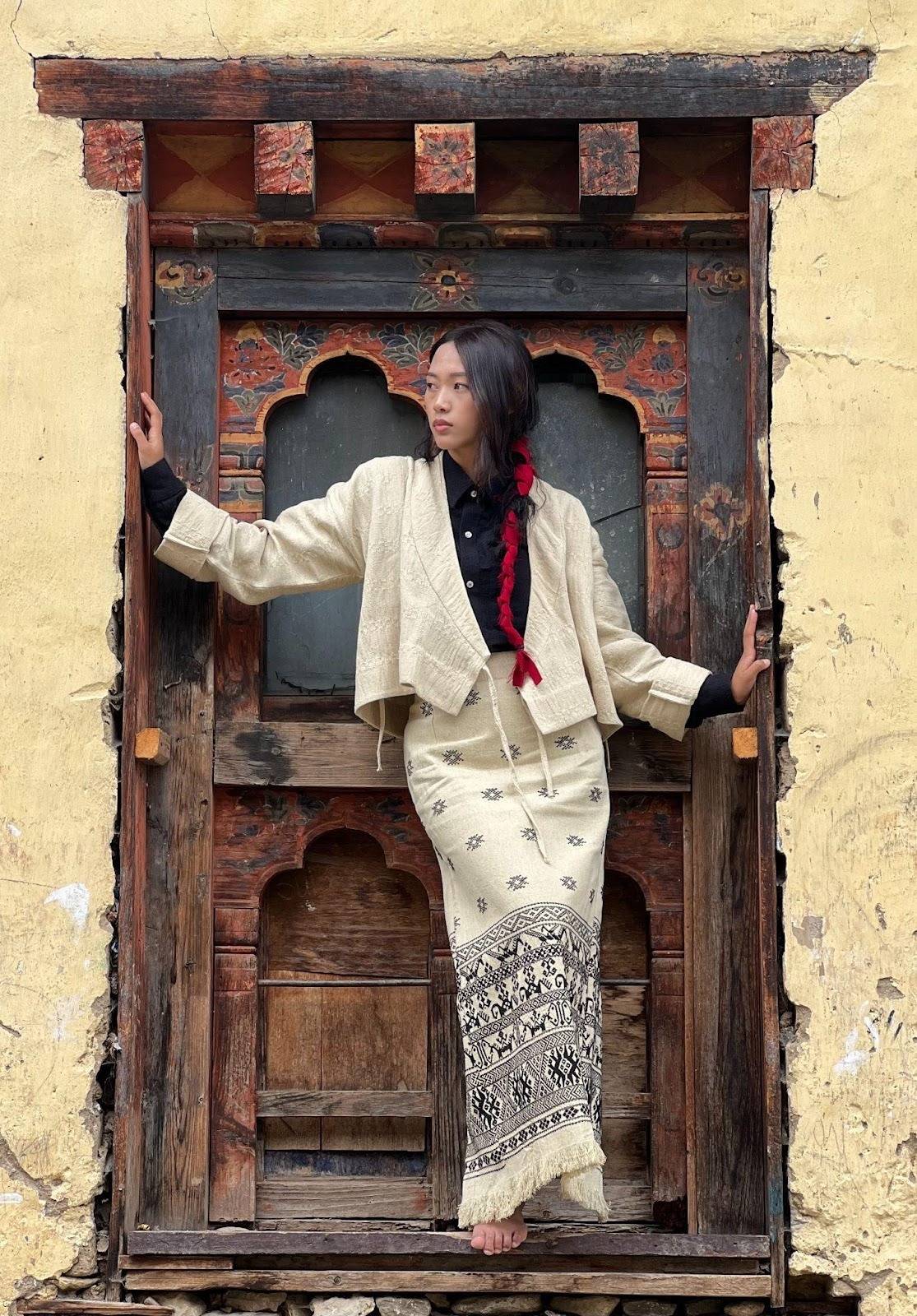
My vision for CDK GYENCHA is to create a fashion ecosystem where heritage, sustainability, and empowerment coexist. I hope to leave a legacy where Bhutanese textiles are celebrated globally, women artisans are recognized and supported, and slow, mindful fashion becomes a norm proving that culture and sustainability can thrive together.